Gender, Peace & Security
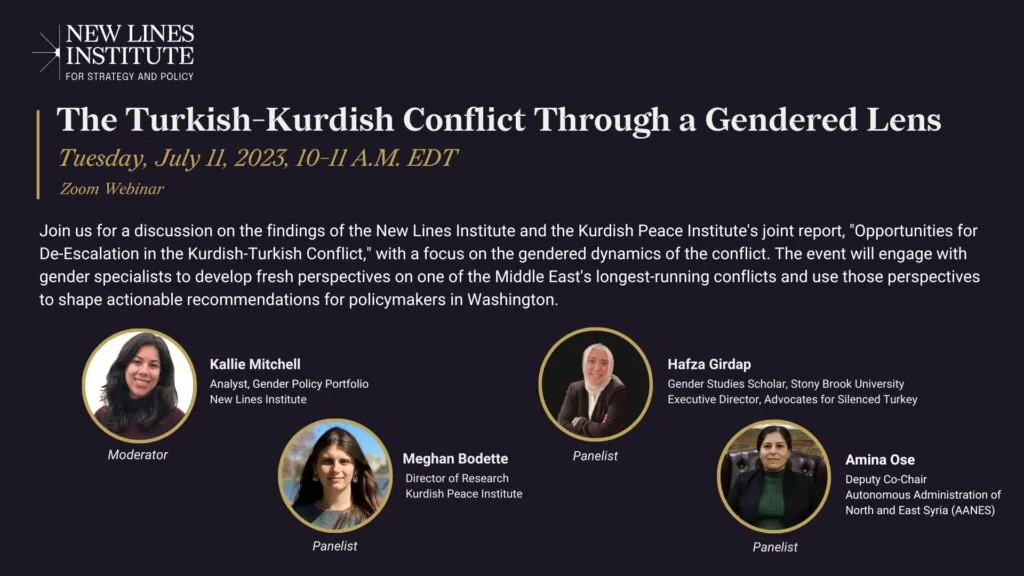
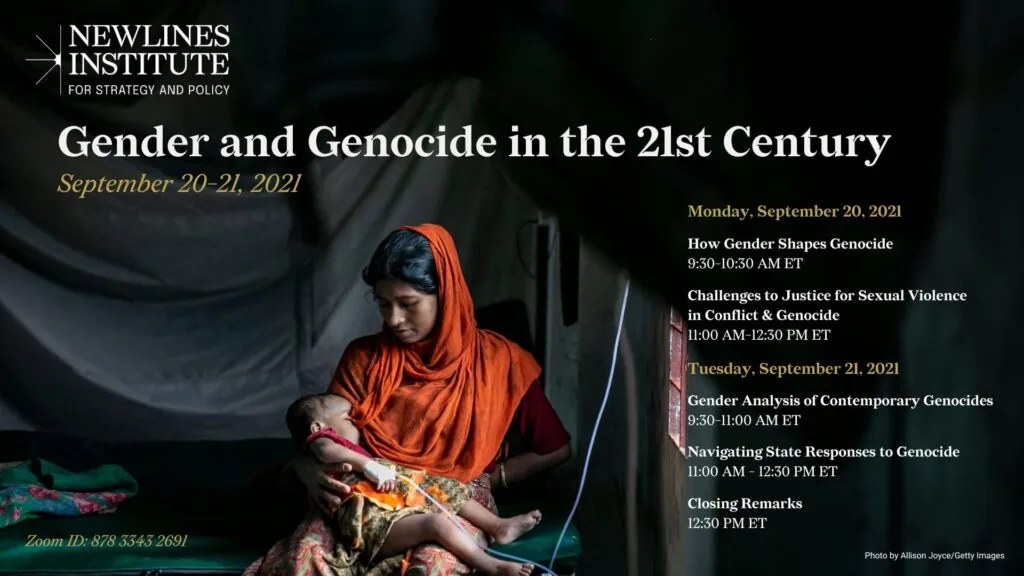
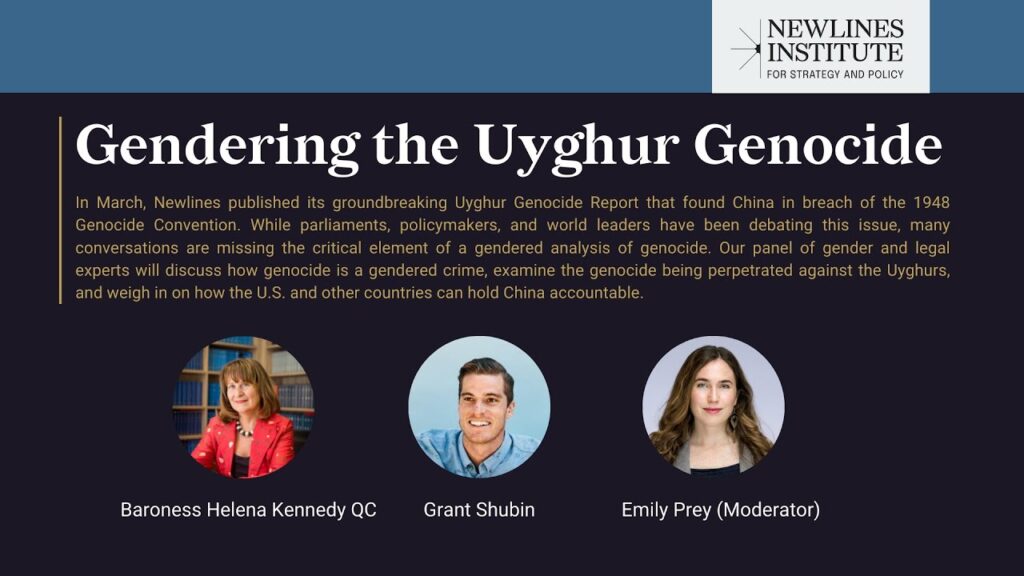
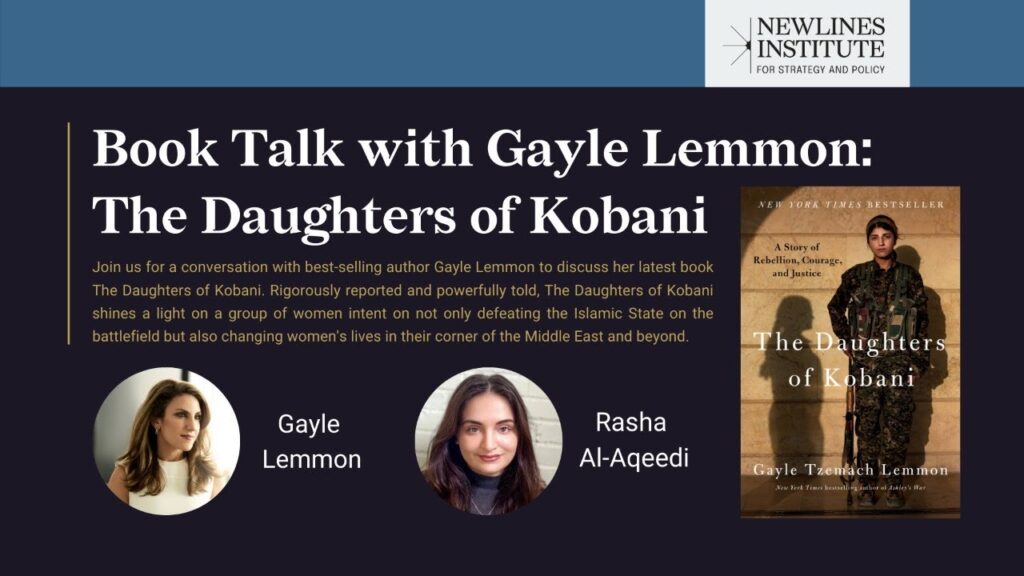
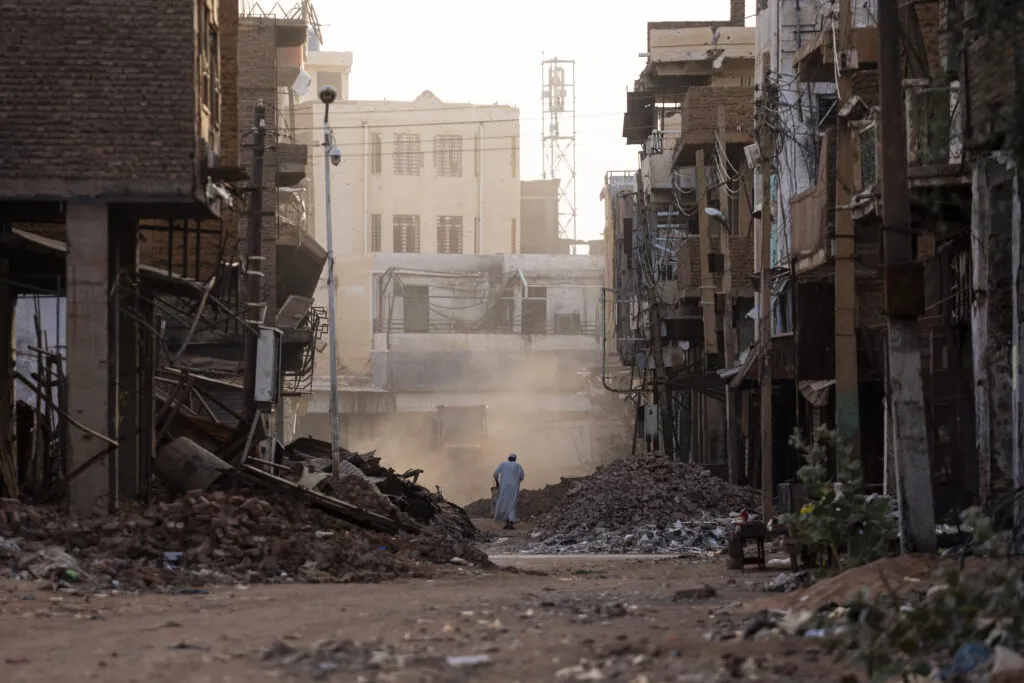
Gender inequities and hierarchical power relations serve as drivers of conflict, atrocities, and insecurity. These inequities shape both how war is conducted and how atrocities are committed, and how they are experienced differently by men, women, and people with diverse gender identities. Conversely, gender equality and the inclusion of diverse gender perspectives serve as key determinants of the effectiveness of peace and security efforts. As global rates of conflict and fragility continue to rise along with global rates of gender-based violence, it is essential not only that gendered perspectives inform foreign and domestic policy, but that they reshape traditional structures to achieve conflict and atrocity prevention and more equitable and sustainable international peace.
Gender-Based Violence and Conflict Dynamics
Gender inequities and hierarchical power relations function as drivers of conflict, atrocities, and insecurity. These dynamics shape how wars are conducted and how atrocities are committed, with consequences experienced differently by men, women, and people with diverse gender identities. As global rates of conflict rise alongside escalating gender-based violence, understanding these connections is essential for effective prevention and response.
Inclusive Security and Peacebuilding
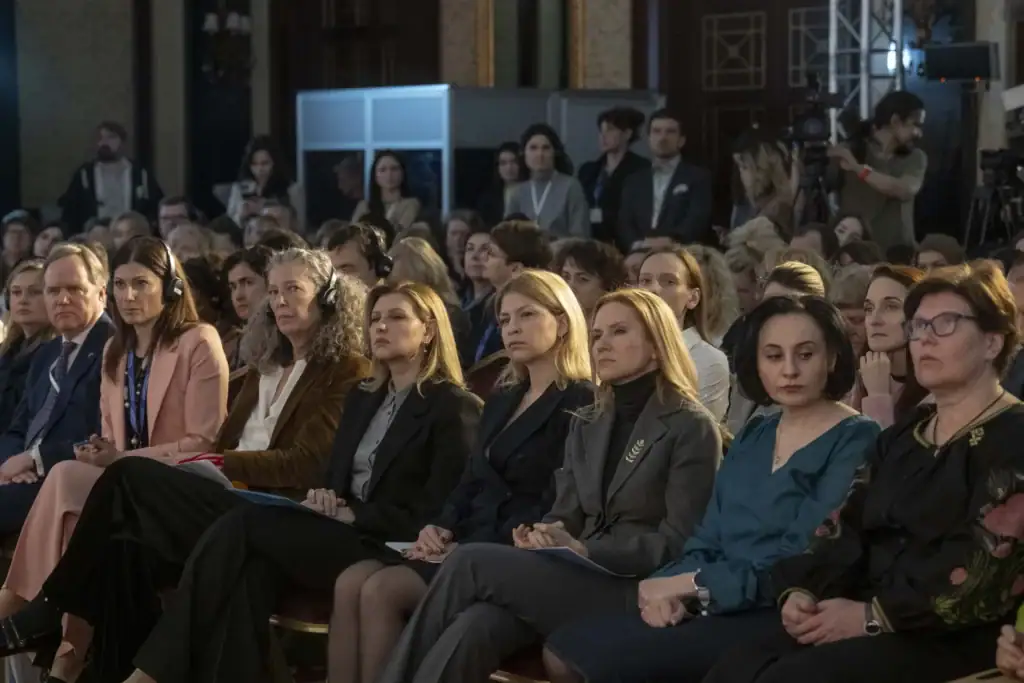
Gender equality and inclusion of diverse gender perspectives are key determinants of effective peace and security efforts. Achieving lasting peace requires more than integrating gendered analysis into foreign and domestic policy. It demands reshaping traditional structures that have historically excluded these perspectives. Equipping policymakers with the tools to advance inclusive approaches is fundamental to conflict prevention and international stability.