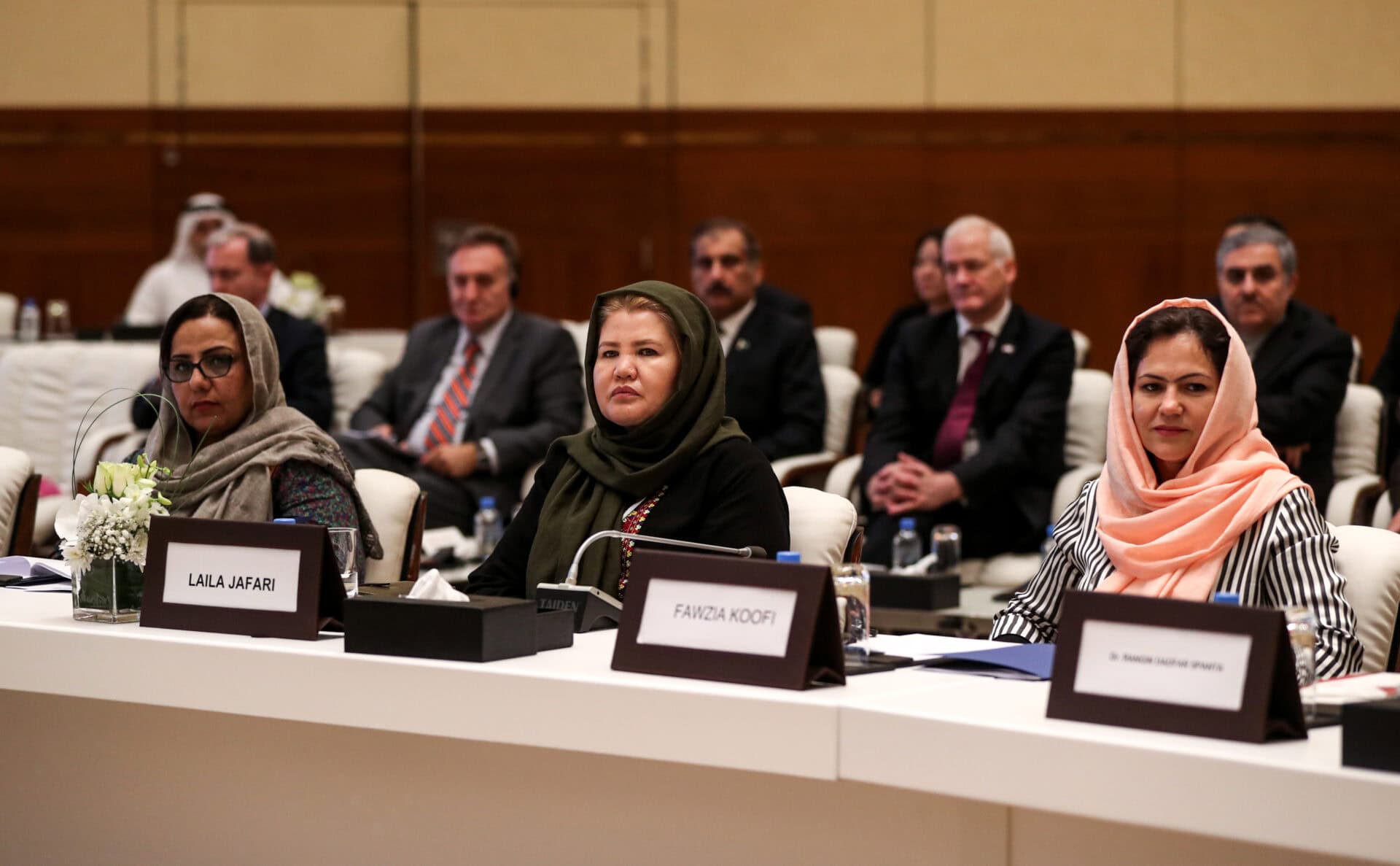
Gender as an Analytical Tool for Foreign Policy
Gender equality is linked to improved global security, prosperity, and productivity, making the advancement of women’s empowerment and participation both an intrinsic value and a strategic imperative. This project aims to produce guidance on the integration of gender perspectives into foreign diplomacy, trade, defense, and human security processes to improve policy outcomes.
Gender Is Learned
Gender is learned, culturally significant, and can change over time; for instance, the assumption that men should be the primary breadwinner or that women are primarily homemakers and caretakers is cultural and changes over time. These expectations are not universal or innate but are shaped by social norms, economic structures, and historical context. What a society considers appropriate roles for men and women varies across cultures and has shifted considerably throughout history, demonstrating that such arrangements are socially constructed rather than fixed.
Gender Analysis
A gender analysis uses this theory to understand the relationships among men, women, boys, girls, and people of diverse SOGIESC and how their access to resources, their activities, and the constraints they face are predicated on their gender. New Lines’ Gender Analysis Project seeks to apply a gender and intersectional lens to issues of foreign policy and national security, providing policymakers with a richer and more nuanced understanding of current affairs.