Genocide has become overused and little understood in today’s global discourse. The Breaches of the Genocide Convention workstream seeks to clarify the definition of genocide as understood in international law and apply the 1948 Genocide Convention to situations around the world. New Lines partners with independent international lawyers and experts to examine genocidal situations from Ukraine to China, and Myanmar to Ethiopia, in order to conclude whether breaches of the Convention have occurred. This workstream seeks to bring genocidal violence to the forefront of policy and to ensure policymakers around the world are preventing and responding to serious threats of genocide, which remains a duty under international law for all 153 States Parties to the Genocide Convention.
The workstream applies the strict legal definition of genocide as established in the 1948 Convention, examining whether specific situations meet the threshold of genocidal acts and intent. By partnering with independent international lawyers and subject matter experts, each analysis maintains the highest standards of legal rigor. This approach ensures that findings carry credibility with policymakers, courts, and international bodies, and that the term genocide is applied accurately rather than rhetorically.
Activating the Duty to Prevent
Under Article I of the Genocide Convention, all 153 States Parties have an obligation to prevent and punish genocide. The workstream’s research is designed to inform and activate this duty by providing governments with the evidentiary and legal basis for action. By documenting breaches of the Convention and presenting findings to policymakers, the workstream supports efforts to move from awareness to accountability and meaningful intervention.
Projects
Global Rohingya Initiative
The Rohingya people have been persecuted by their own country and sought uneasy refuge in neighboring countries for decades. Successive governments in Myanmar have violated the Rohingya's rights to identity, nationality, security, and other fundamental human rights, and the military's 2017 clearance operations resulted in more than 700,000 men, women, and children fleeing to Bangladesh. While the international community broadly condemned the genocide and crimes against humanity committed against the Rohingya, the global political response has never been adequate to the crisis's scale and scope. In 2023, New Lines Institute convened the Global Rohingya Initiative to bring together key stakeholders, with a focus on empowering representatives of the Rohingya community to address this crisis in a more holistic and effective way.
This project examines the road to accountability for crimes allegedly committed against Tigrayans during the armed conflict that took place in Ethiopia from November 2020 to at least November 2022. The project scrutinizes the three atrocity crimes of genocide, war crimes, and crimes against humanity perpetrated against Tigrayans, applying international legal standards to assess the conduct of parties to the conflict. The project also examines often overlooked gender based crimes, including conflict related sexual violence, which was used by all parties in the war.
The Hazara are an ethnic and religious minority residing in Afghanistan who have been persecuted for over a century. This project applies the 1948 Genocide Convention to the situation of the Hazaras in Afghanistan, finding reasonable basis to believe that attacks against the Hazaras by various actors since August 2021 satisfy the main elements of genocide. Through rigorous legal analysis, the project documents patterns of violence and persecution targeting the Hazara community and assesses whether these acts meet the threshold of genocidal conduct under international law. The project's findings support efforts to raise awareness of the Hazara's plight and to activate the international community's duty to prevent and respond to genocide.
Russian Breaches of the Genocide Convention in Ukraine
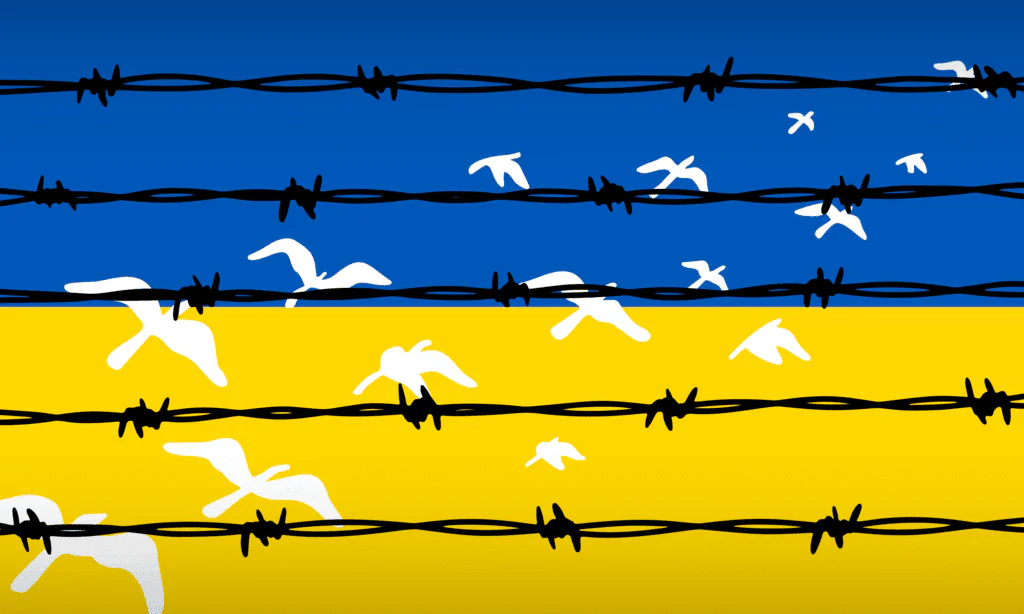
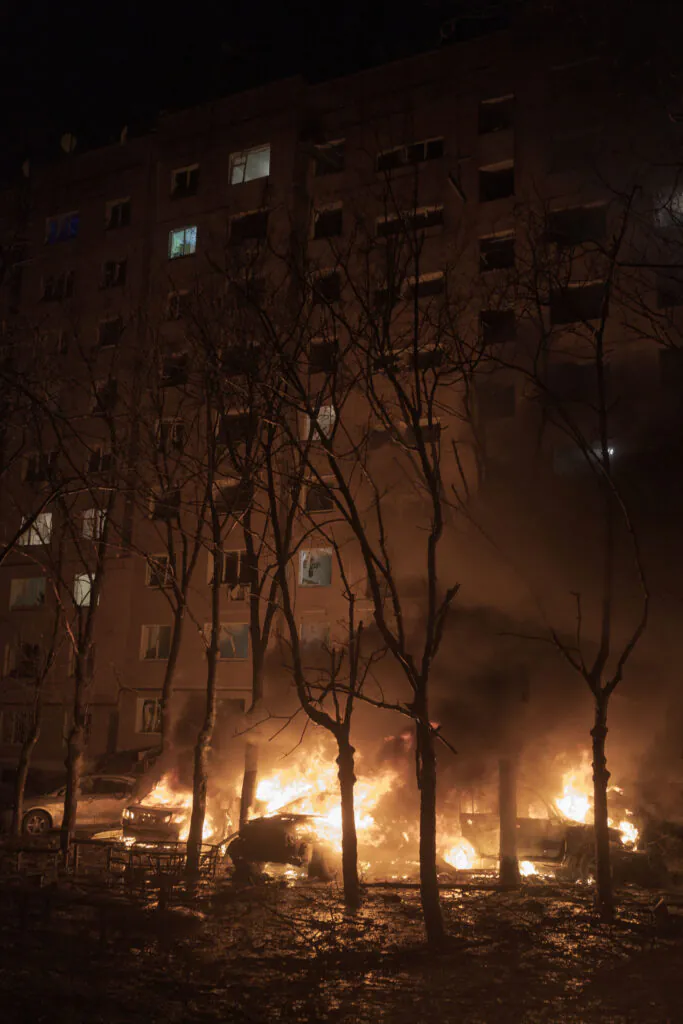
In 2014, Russia invaded Crimea, and in 2022 began its full scale invasion of Ukraine. This project examines the Russian Federation's state responsibility for breaches of the Genocide Convention in Ukraine, beginning in 2022. Through rigorous legal analysis, the project documents evidence of genocidal acts and intent, applying the standards established under international law to assess Russia's conduct. The project has produced foundational independent legal analyses that have informed policy discussions and legal proceedings concerning Russia's actions in Ukraine, contributing to international efforts to establish accountability for atrocity crimes.
This project examines the Chinese Communist Party's ongoing treatment of the Uyghur minority in China. In 2020, New Lines established the Uyghur Scholars Working Group to enhance situational awareness on the conditions that millions of ethnic Turkic Muslims face in the Xinjiang Uyghur Autonomous Region. Since then, New Lines has been a leading voice on the Uyghur genocide, bringing together dozens of experts in international law, genocide studies, Chinese ethnic policies, and the region to examine all available evidence. The project's work has addressed issues including China's breaches of the Genocide Convention, the CCP's coercive mobilization of ethnic minorities to pick cotton, and the need to establish a UN Mechanism to gather evidence in Xinjiang.