A New U.S.-Central Asia Strategy
U.S. strategic interest and policy approaches in Central Asia and the South Caucuses merit sustained attention, particularly regarding connectivity initiatives and economic corridors that advance American objectives and regional developments. Our research assesses current approaches and identifies opportunities for deeper engagement.
An Undervalued Region
Central Asia and the South Caucuses have historically received limited attention from U.S. policymakers, overshadowed by more immediate priorities. Yet the region’s significance is growing as great power competition intensifies and connectivity corridors reshape Eurasian trade flows. Sustained engagement now can position the U.S. as a preferred partner for Central Asian states seeking alternatives to Russian and Chinese dependence.
Connectivity as Strategy
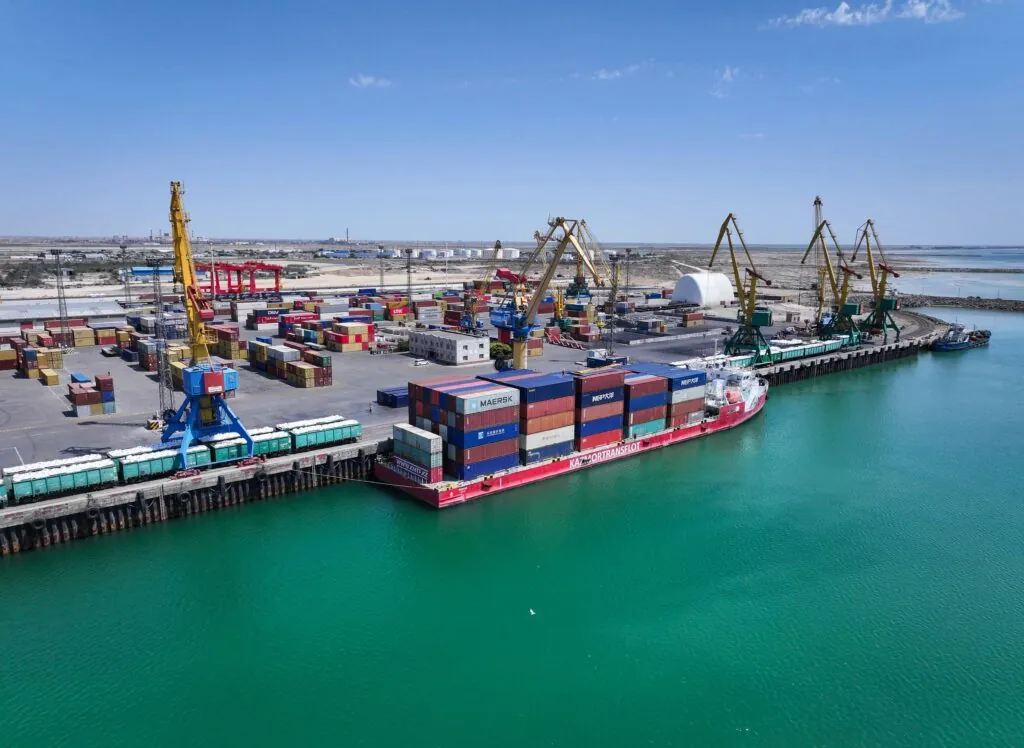
The Trans-Caspian corridor and other east-west routes offer Central Asian states access to global markets without transiting Russian or Chinese territory. American support for these efforts serves multiple objectives: strengthening regional sovereignty, diversifying energy supplies, and demonstrating that partnership with the United States provides tangible benefits.