Analyzing how energy resources, infrastructure investments, and transit corridors shape geopolitical alignments and constrain strategic options across contested regions.
The New Energy Map
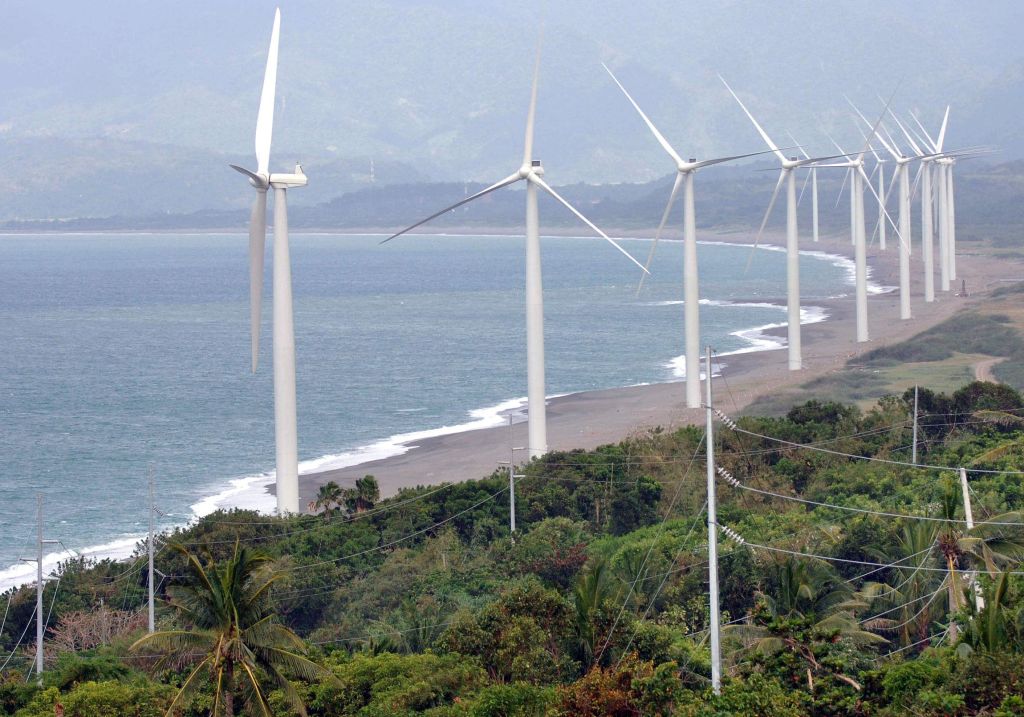
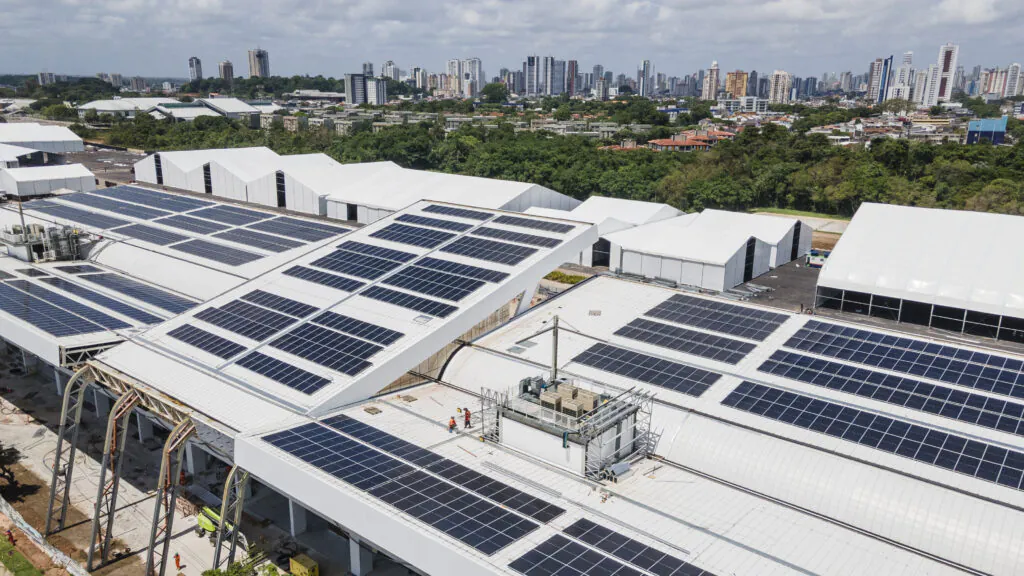
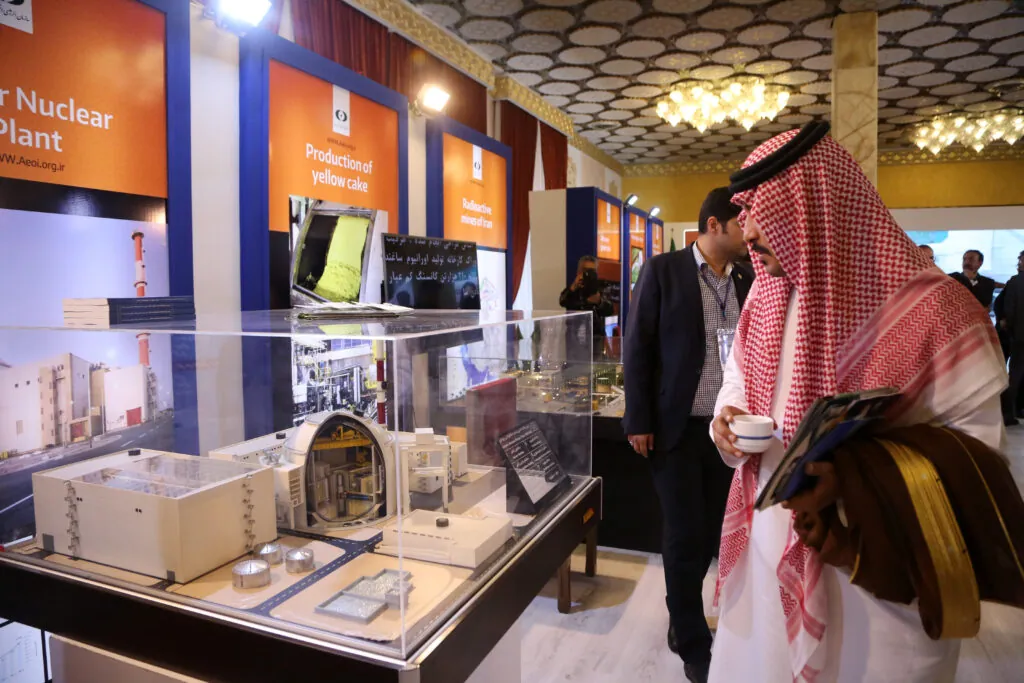
Energy infrastructure is redrawing geopolitical boundaries. From the Trans-Caspian corridor bypassing Russian control to Gulf states diversifying beyond hydrocarbons, energy investments signal strategic intentions and create lasting dependencies. This project tracks how energy decisions shape alliance structures and where emerging corridors create opportunities for improved global connectivity.
Chokepoints and Leverage
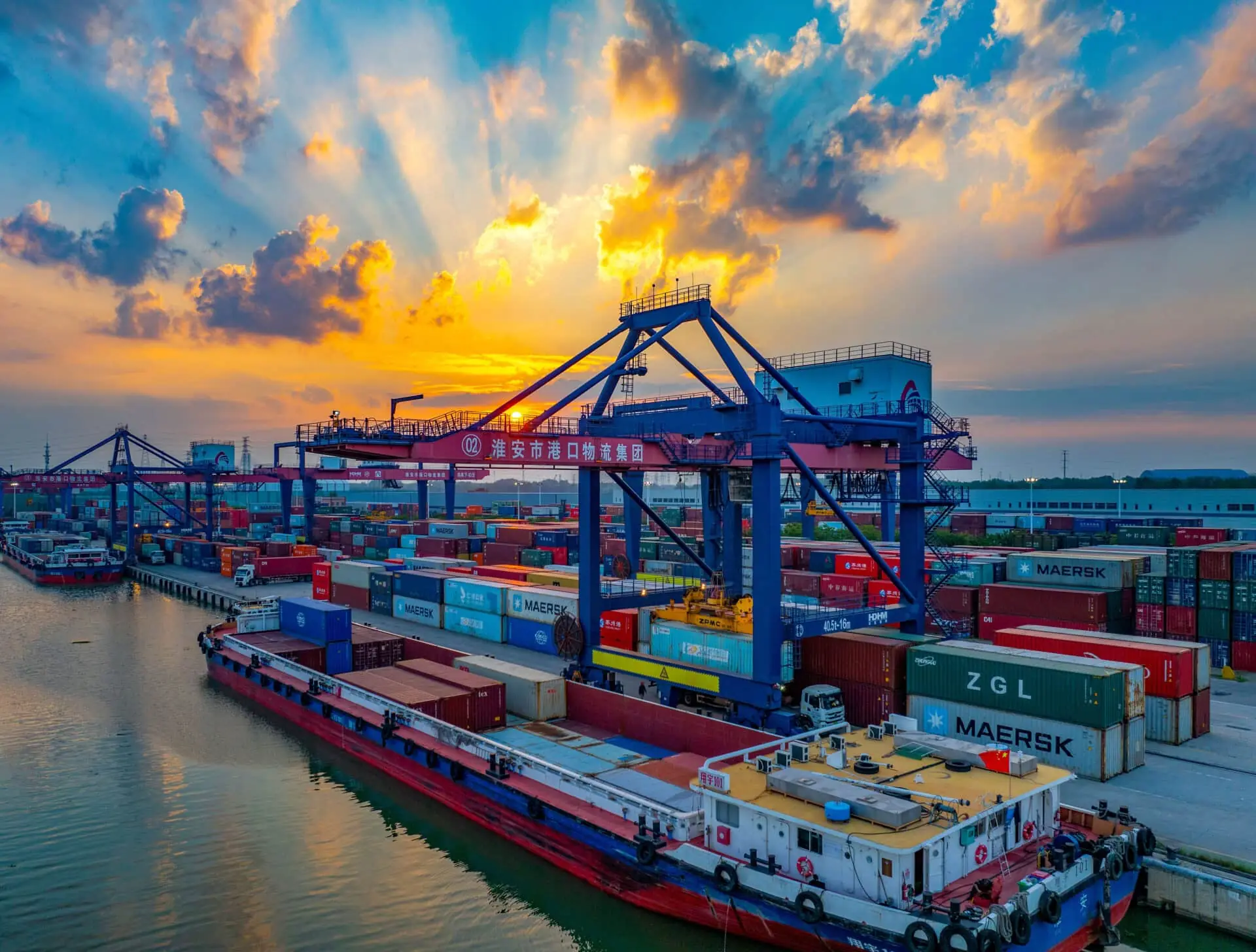
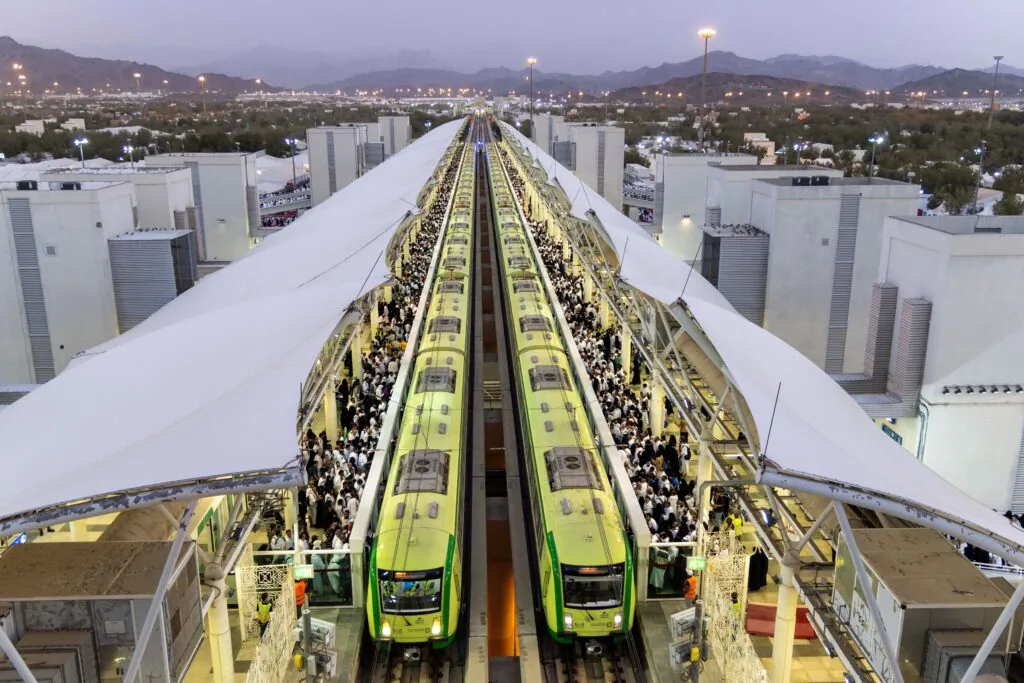
Control over energy transit points translates into significant geopolitical leverage. Energy chokepoints like pipelines through contested areas and narrow shipping lanes, energy chokepoints create vulnerabilities that can be exploited in a crisis. Our analysis identifies where these dependencies create risk and what approaches can reduce exposure.