The State Resilience and Fragility workstream evaluates how states across the Middle East and North Africa grapple with legitimacy, stability, and adaptability in the context of a generally authoritarian region. These dynamics carry direct implications for U.S. strategic interests, as regime trajectories shape security partnerships, economic engagement, and regional stability. Using policy-oriented research, the workstream clarifies how governments in the region consolidate power, respond to internal pressures, and adapt to shifting domestic and international conditions. Analysis supports forward-looking policy aimed at reducing regional instability and advancing U.S. interests through engagement strategies that are more aligned with political realities on the ground.
Understanding how authoritarian and semi-authoritarian regimes maintain power, manage dissent, and navigate succession is essential for anticipating regional developments. The workstream examines the sources of regime legitimacy, the institutional structures that sustain or undermine stability, and the conditions under which states prove resilient or fragile in the face of internal and external pressures. This analysis enables policymakers to distinguish between superficial stability and deeper vulnerabilities, informing more accurate assessments of where crises may emerge and how U.S. interests may be affected.
Informing U.S. Engagement Strategies
Effective U.S. policy in the Middle East and North Africa requires engagement strategies calibrated to the specific political contexts of partner and competitor states. The workstream identifies needs for political development and reform, assesses the risks and opportunities associated with different regime types, and offers recommendations for how the United States can pursue its interests while managing the complexities of operating in an authoritarian regional environment. By grounding policy in rigorous analysis of state capacity and legitimacy, the workstream supports decision-making that factors in regional instability.
Projects
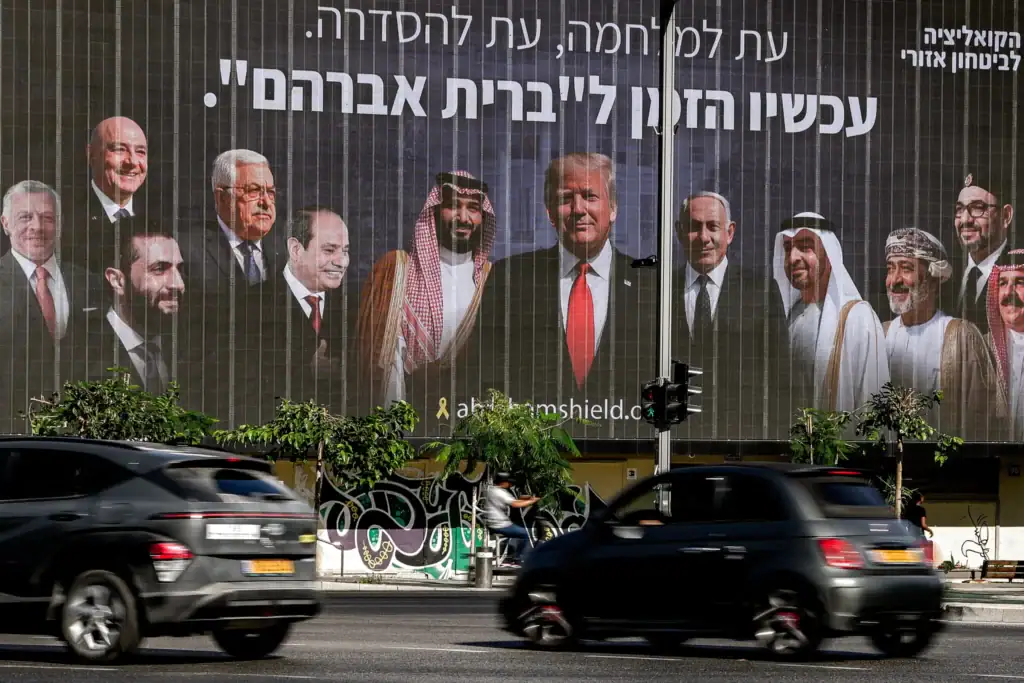
Geopolitics of the Levant
The Geopolitics of the Levant project explores the regional alignments, state capacity challenges, and dynamics of conflict shaping the Levant. This region exhibits distinct political and security dynamics that warrant focused analytical attention separate from broader Middle East analyses. By specifically analyzing the Levant, the project provides U.S. policymakers with comprehensive analysis and targeted policy recommendations that address the subregion's unique social, security, and political realities. This focused approach enables more precise understanding of how local developments intersect with regional and great power competition, informing U.S. engagement strategies calibrated to Levantine conditions.
The Inclusion in the Middle East Project treats inclusive politics as both a precursor to regional stability and a U.S. national security interest. Marginalization of minority communities has historically fueled grievances, enabled extremist recruitment, and undermined state legitimacy across the region. The project's aim is to make minority rights and inclusive governance a central pillar of U.S. Middle East policy, embedding them in the architecture of diplomacy, reconstruction, and development assistance. This approach links the United States' values to its strategic objectives in the region, recognizing that durable stability depends on political systems that incorporate rather than exclude diverse populations.
The Iran Insights Project provides U.S. policymakers with an extensive reserve of research, analysis, and policy recommendations on Iran. Understanding Iranian decision making requires sustained engagement with the historical, geographical, and cultural factors that shape the country's geopolitical orientation and domestic politics. The project delivers rigorous analysis across economic, security, and humanitarian dimensions, equipping policymakers with the contextual depth necessary to navigate one of the most consequential and complex bilateral relationships facing the United States. By integrating multidisciplinary perspectives into policy relevant research, the project advances U.S. interests across diplomatic, economic, and security domains.
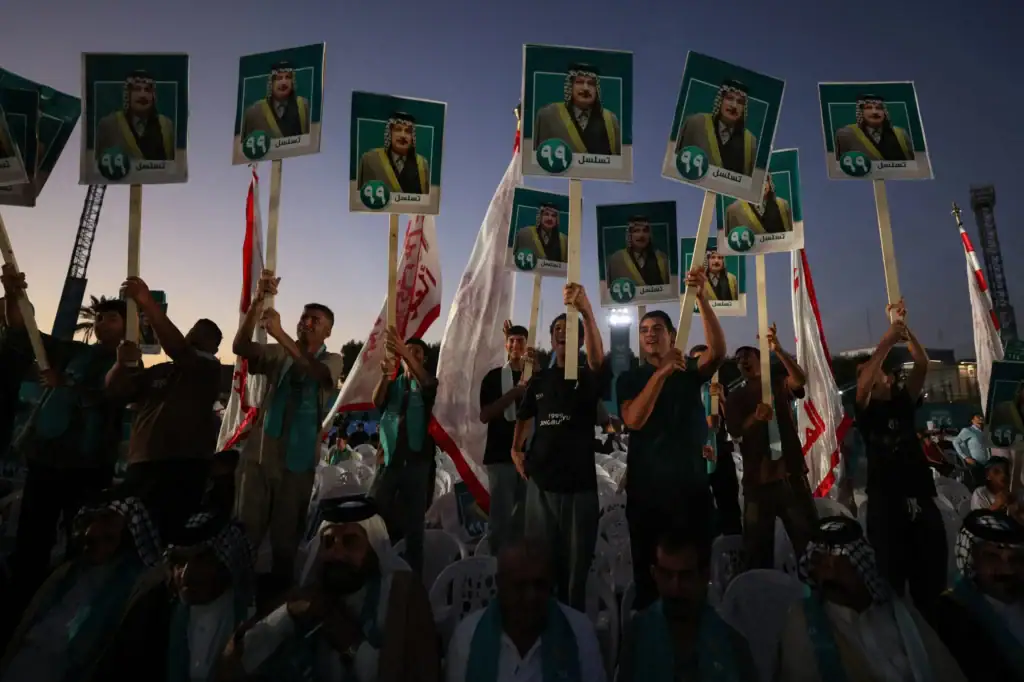
The Non State Actors project analyzes how diverse actors beyond the state shape the contemporary dynamics of the Middle East. This includes nonviolent mass movements for social and political change, civil society organizations, trade unions, professional associations, tribal and clan groups, and armed non-state actors. Each operates according to distinct logics, pursues different objectives, and interacts with local and regional orders in ways that carry significant implications for stability, governance, and U.S. policy. The project provides policymakers with nuanced understanding of the goals and strategies of various non-state actors in the region, informing timely and relevant policy action calibrated to the complex realities on the ground.
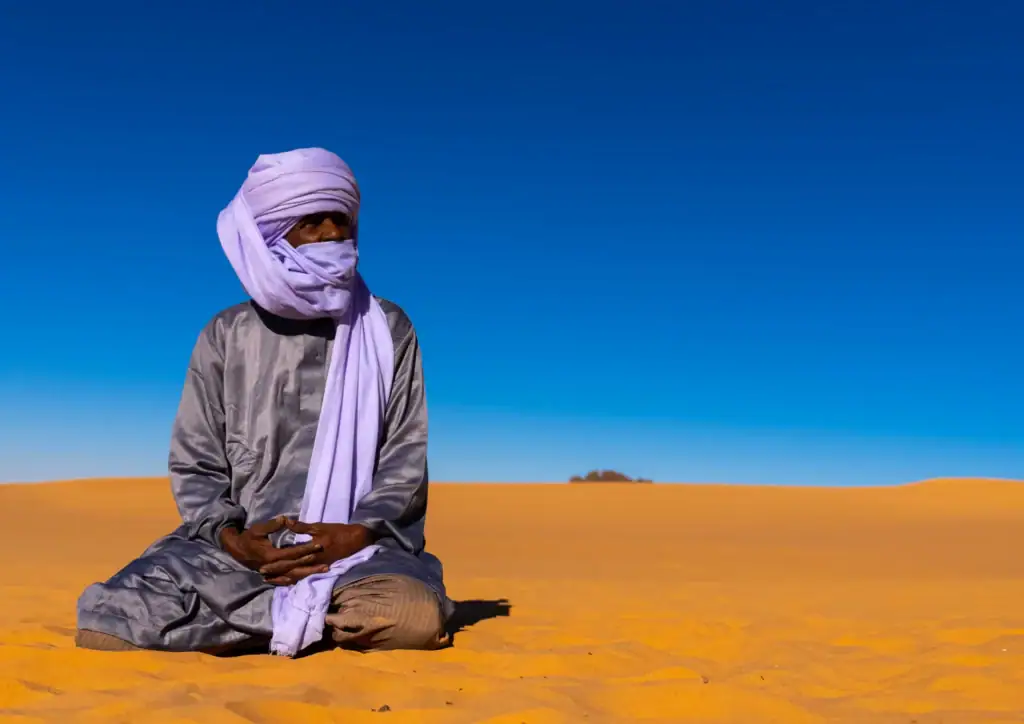
The North Africa Futures project examines often overlooked political, economic, and security trajectories across North Africa. The region's strategic importance to U.S. interests, including its proximity to Europe, role in migration dynamics, and significance for energy and security partnerships, warrants sustained analytical attention that it does not always receive. By assessing how demographic change, governance challenges, climate pressures, migration patterns, and local innovation are reshaping these societies, the project provides policymakers with comprehensive analysis and strategic recommendations. This forward looking approach aims to strengthen U.S. policy toward the region by anticipating developments rather than reacting to crises after they emerge.
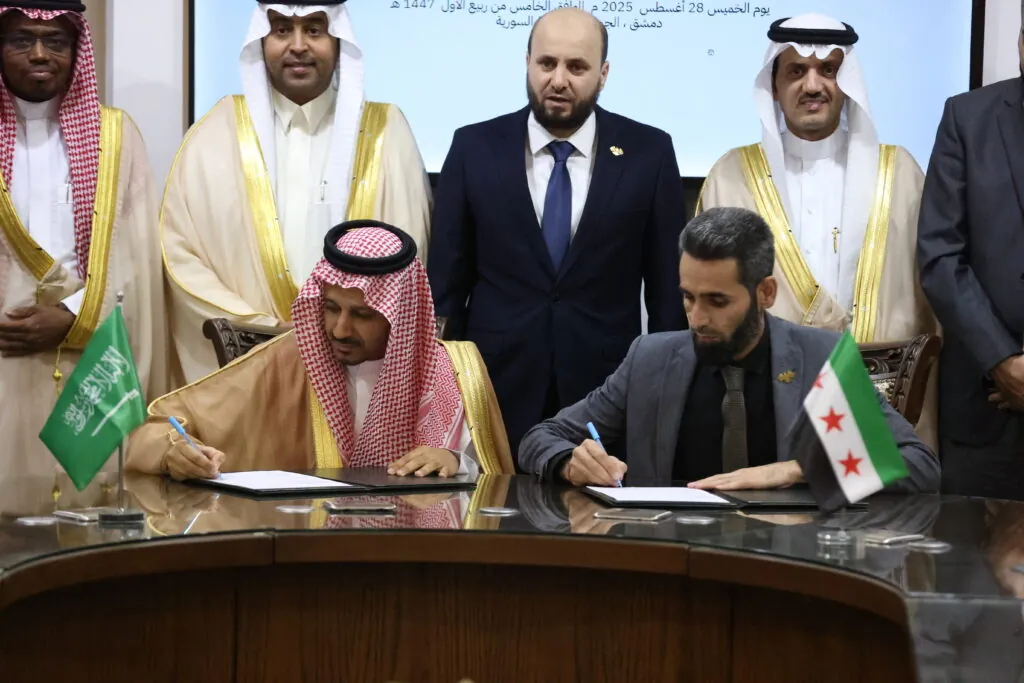
The Saudi Arabia and the Gulf project focuses on the intersection of economics, soft power, and regional relationships through the lens of U.S. policy enrichment. The Gulf states have emerged as central hubs of commerce, technology, and innovation, forging relationships that extend their influence across multiple continents. As the birthplace and heartland of Islam and home to multiple geopolitically rising powers, the Gulf occupies a unique position in global affairs. Understanding the strategic ambitions, economic transformations, and regional dynamics of these peninsular nations is essential for crafting effective U.S. policy in the Middle East.