Non-State Actors
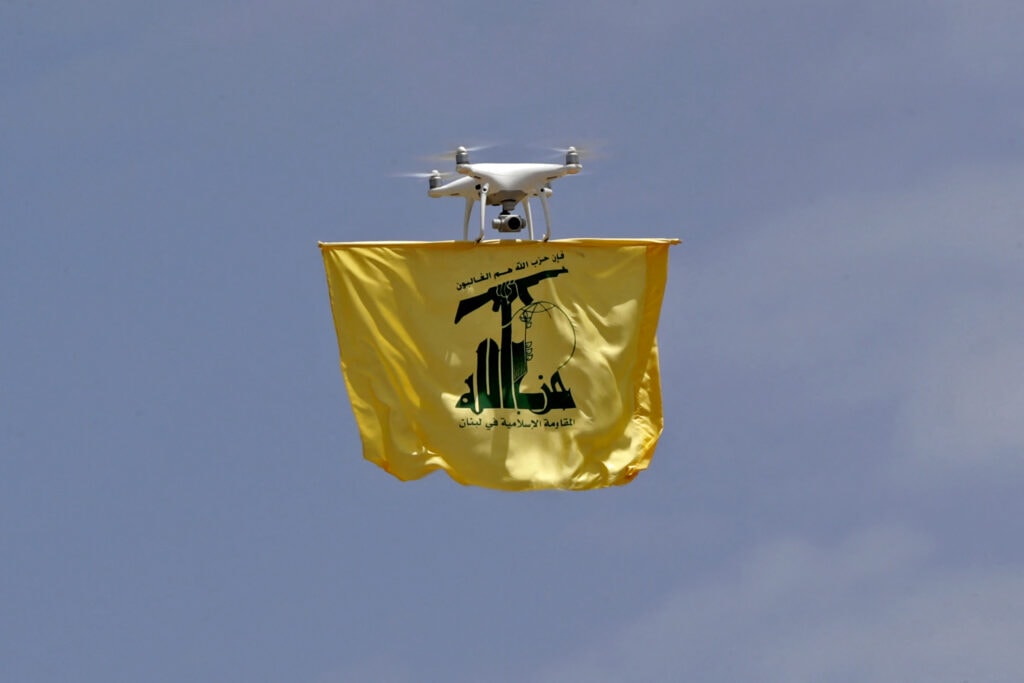
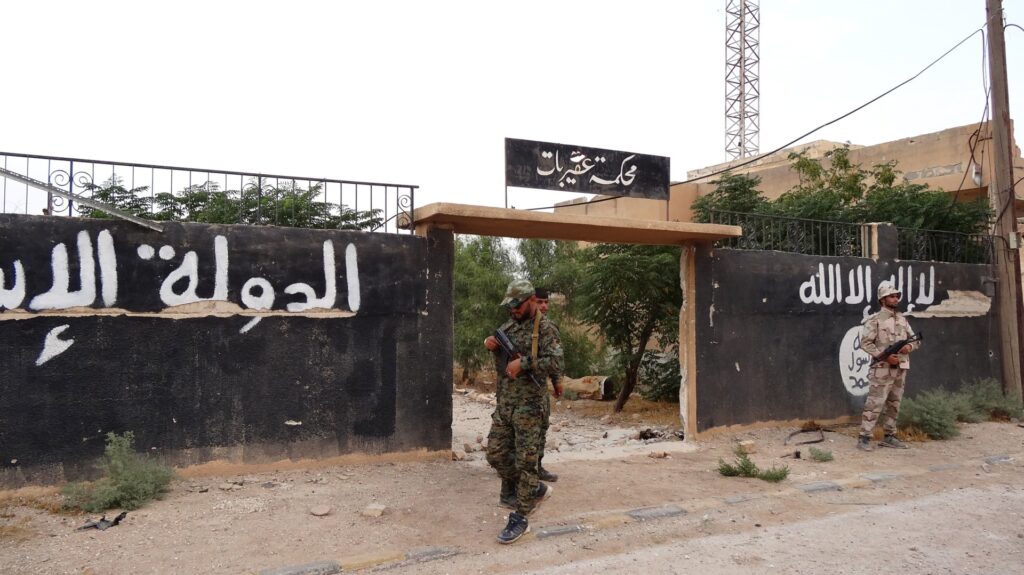
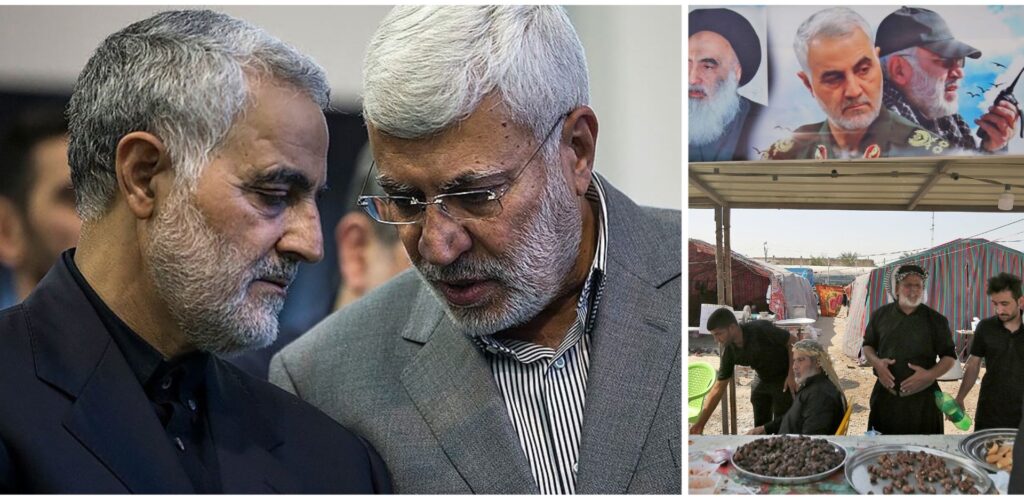
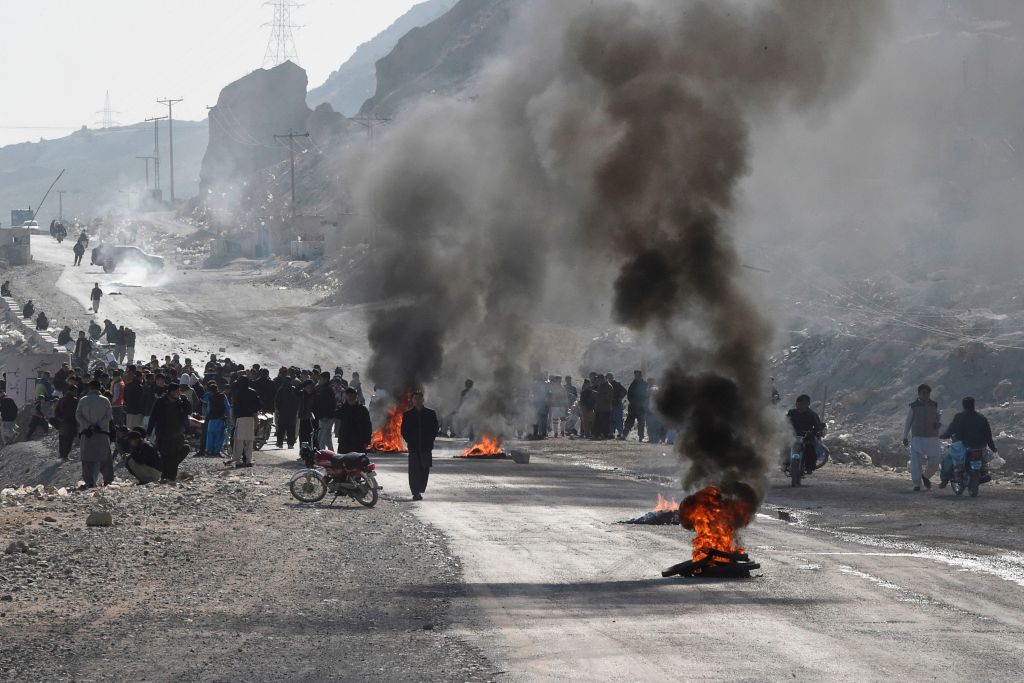
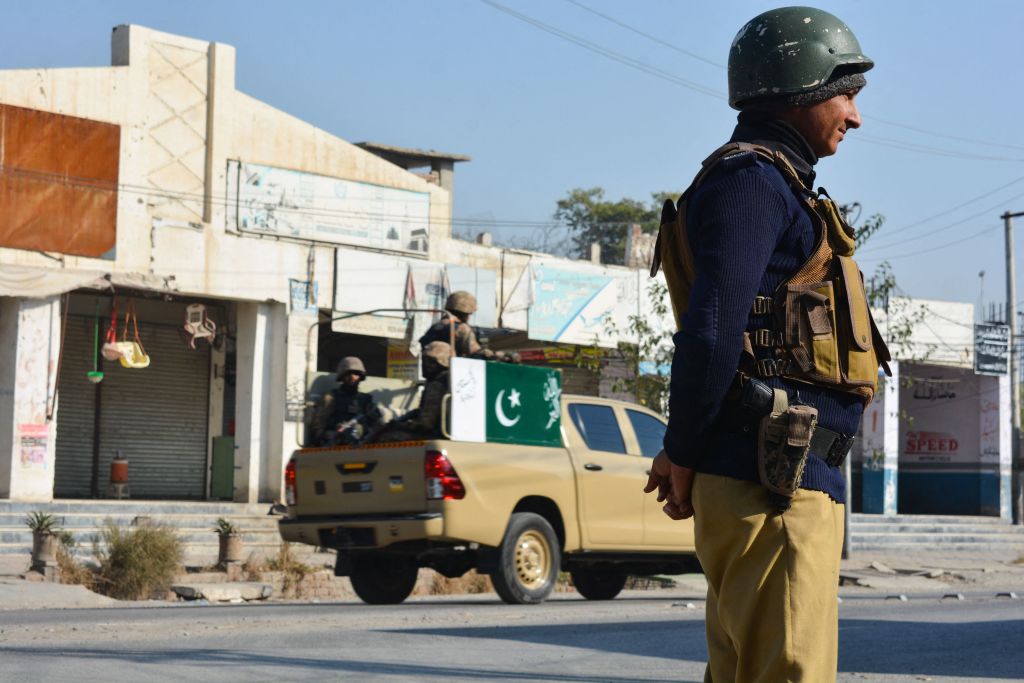
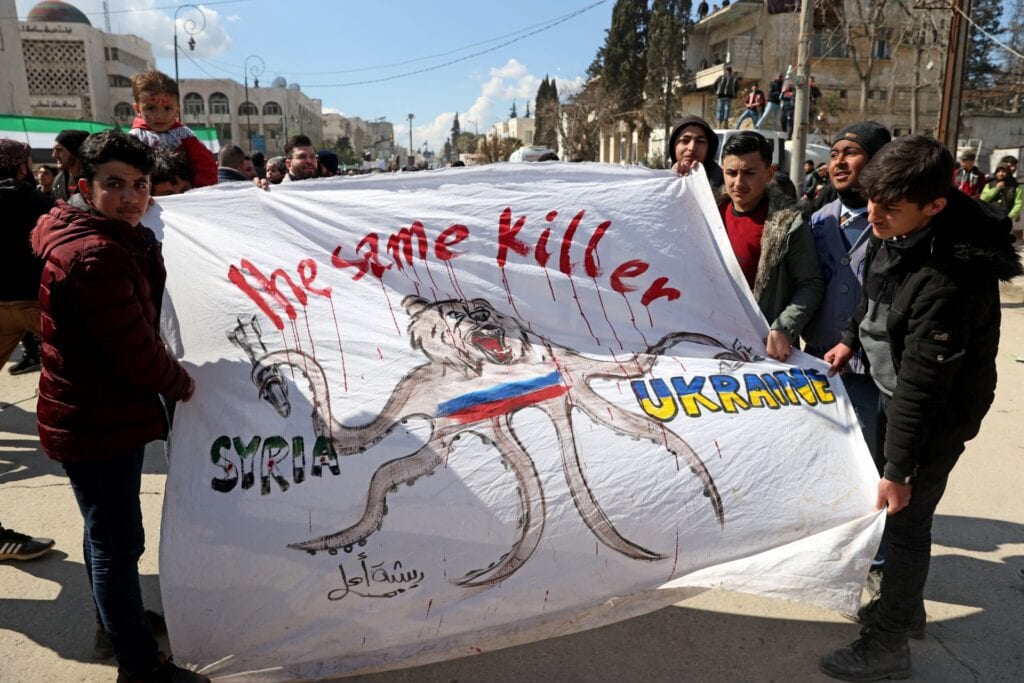
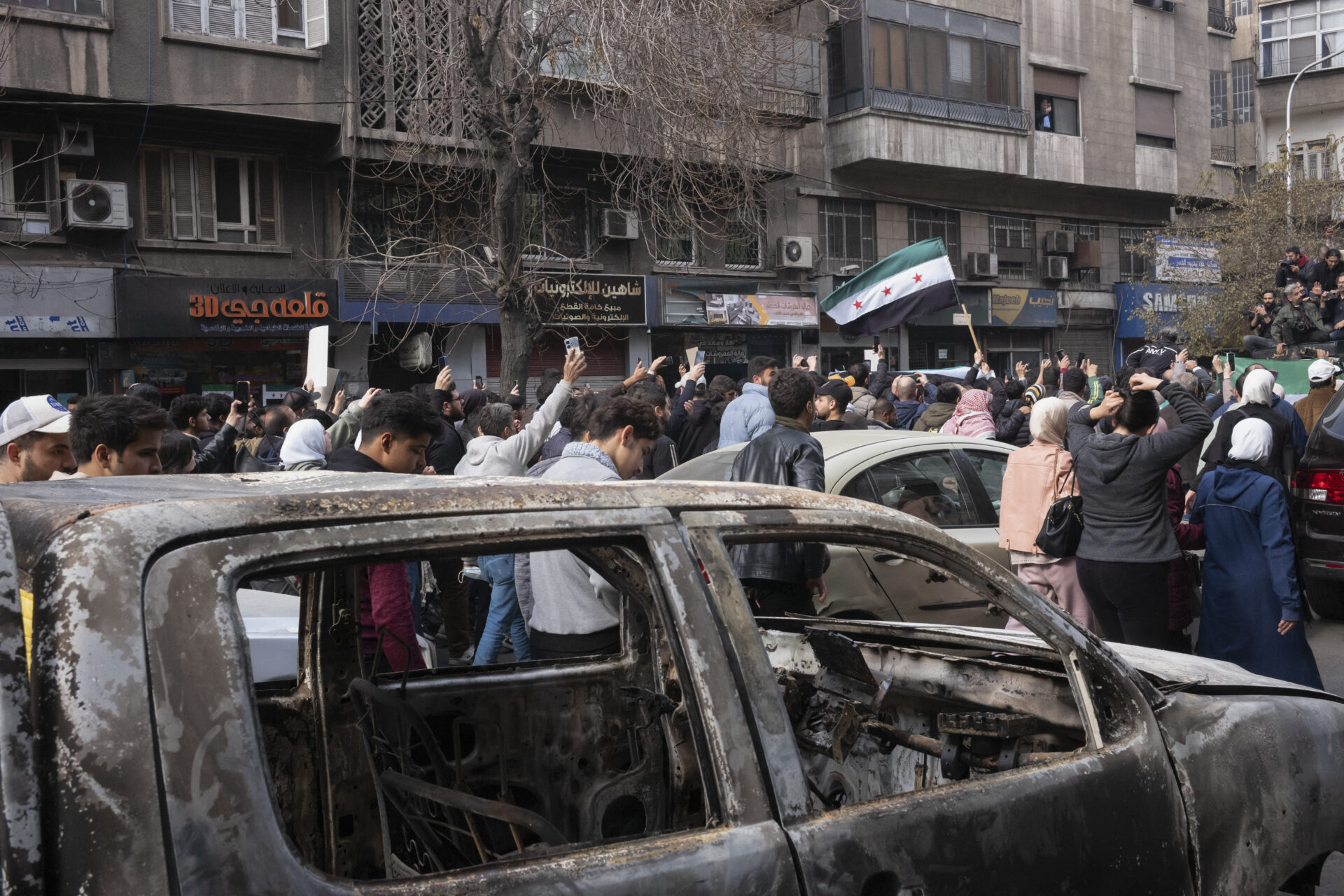
The Non State Actors project analyzes how diverse actors beyond the state shape the contemporary dynamics of the Middle East. This includes nonviolent mass movements for social and political change, civil society organizations, trade unions, professional associations, tribal and clan groups, and armed non-state actors. Each operates according to distinct logics, pursues different objectives, and interacts with local and regional orders in ways that carry significant implications for stability, governance, and U.S. policy. The project provides policymakers with nuanced understanding of the goals and strategies of various non-state actors in the region, informing timely and relevant policy action calibrated to the complex realities on the ground.
Mapping a Diverse Landscape
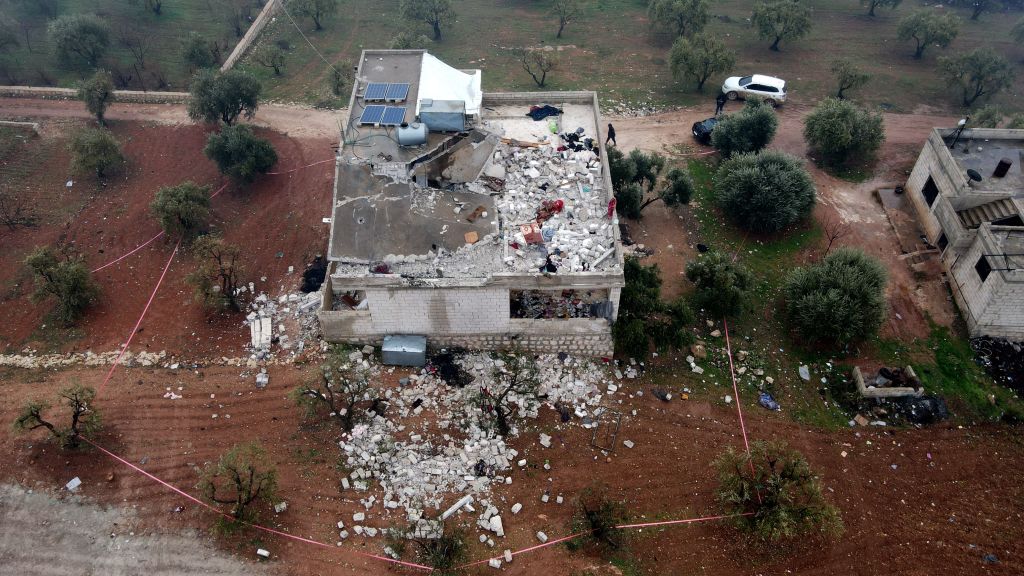
Non-state actors in the Middle East range from grassroots civil society organizations advocating for reform to armed groups contesting state authority and territorial control. Tribal and clan networks continue to shape political and economic life in ways that formal governance structures often fail to capture. Trade unions and professional associations mobilize constituencies around economic grievances and political demands. The project examines how these actors emerge, sustain themselves, and pursue their objectives, providing policymakers with analytical frameworks for understanding a landscape that cannot be reduced to state to state relations alone.
Informing Policy Engagements
Effective U.S. policy in the Middle East requires understanding how non-state actors interact with governments, populations, and each other. The project analyzes how these dynamics shape opportunities for diplomatic engagement, risks of instability, and prospects for political change. By clarifying the goals, capabilities, and constraints facing different types of non state actors, the project equips policymakers with the contextual knowledge necessary to identify credible partners, anticipate sources of disruption, and design interventions that account for the full range of actors influencing regional outcomes.