


Military Withdrawals
As the U.S. and its partners reevaluate their military footprint in conflict zones due to isolationist political movements and preparations for great power competition, policymakers are bracing for a series of partial and total military drawdowns around the world. This workstream explores the strategic, operational, and tactical elements of military withdrawal, assessing security conditions in conflict zones and identifying blind spots that could jeopardize responsible withdrawal processes or create future power vacuums. Our work examines how competing actors conduct partial and full military withdrawals in conflict zones and areas of competition, delivering assessments of post-withdrawal security and risks to both U.S. interests and local human security.
Responsible Withdrawal
In the wake of a disorderly and sudden withdrawal from Afghanistan, this workstream confronts an important question: how can the U.S. and its partners mitigate risks for local partners and communities while achieving their strategic aims? Our work identifies the conditions and processes that distinguish successful drawdowns from those that leave instability in their wake.
Active and Retrospective Analysis
The Military Withdrawals Workstream includes projects examining active conflict zones likely to experience a partial or full withdrawal of foreign military forces. It also includes retrospective projects assessing lessons learned from past drawdown processes and the resulting security conditions, offering policymakers a clearer picture of what to expect and how to prepare.
Projects
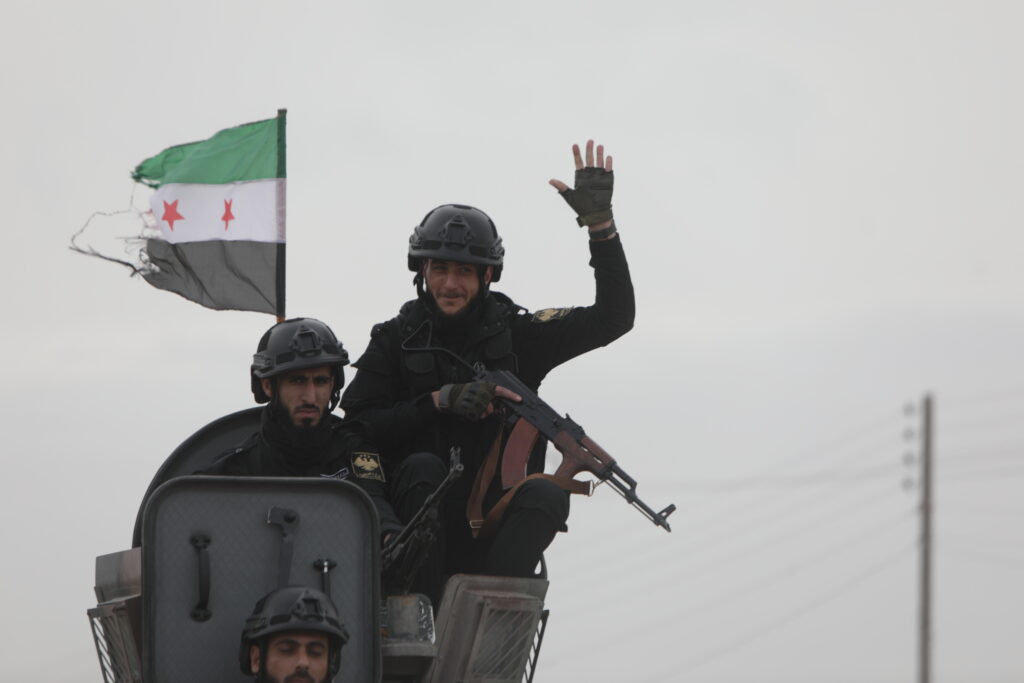
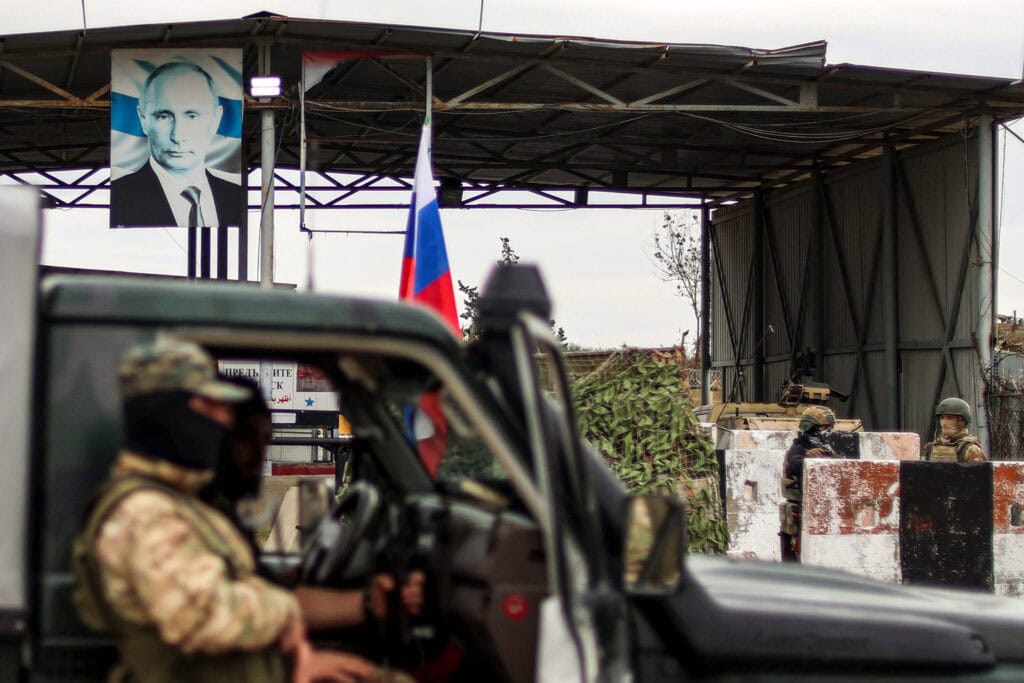
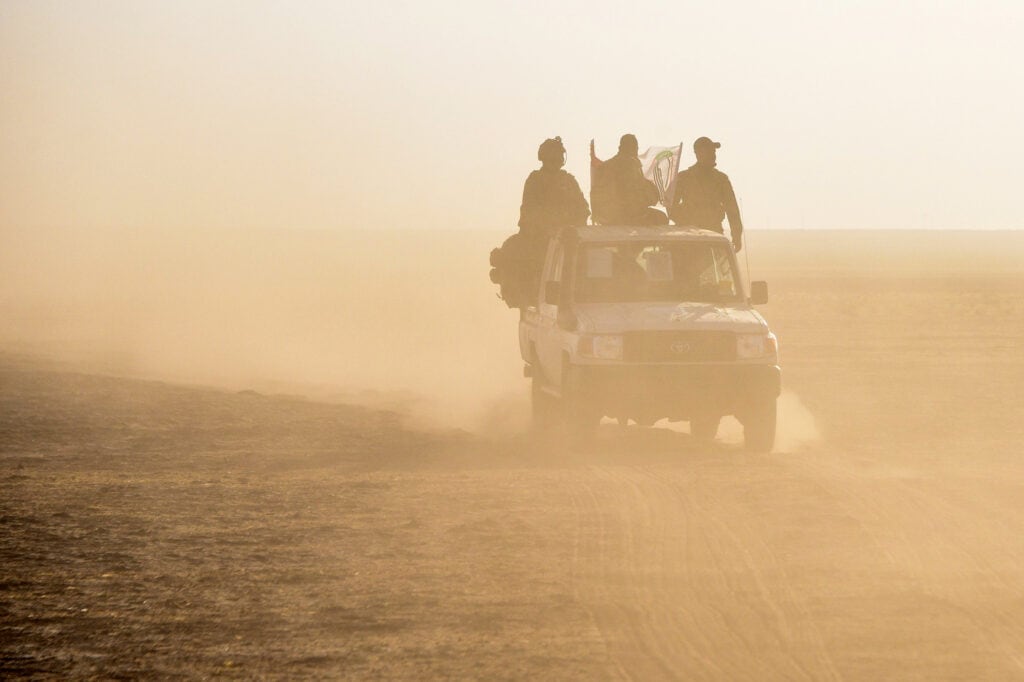
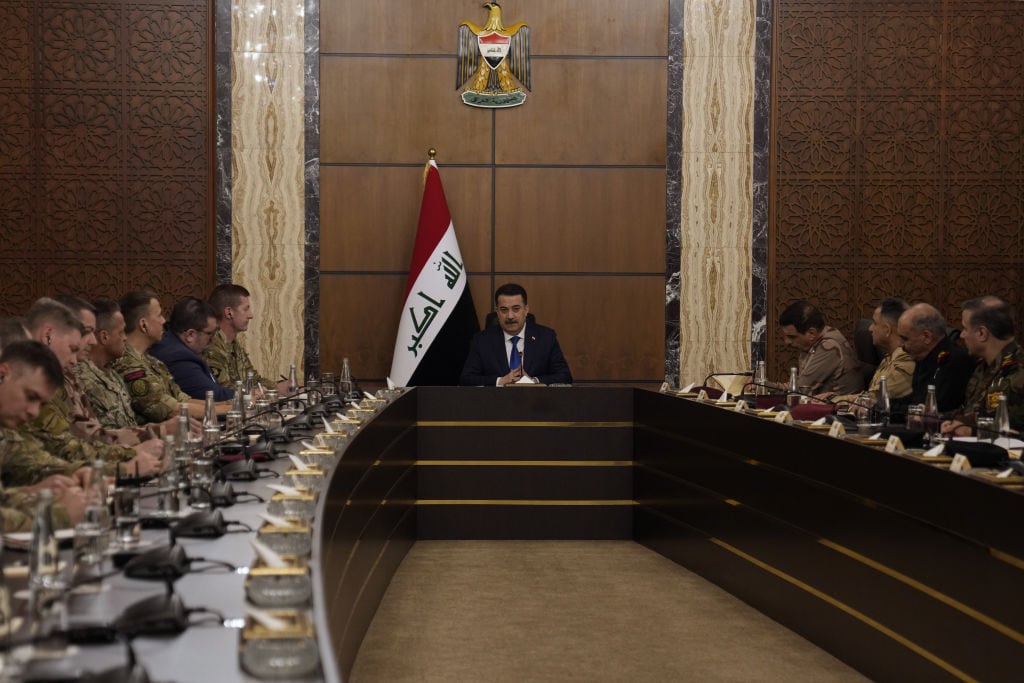
The Iraq-Syria Withdrawal Project
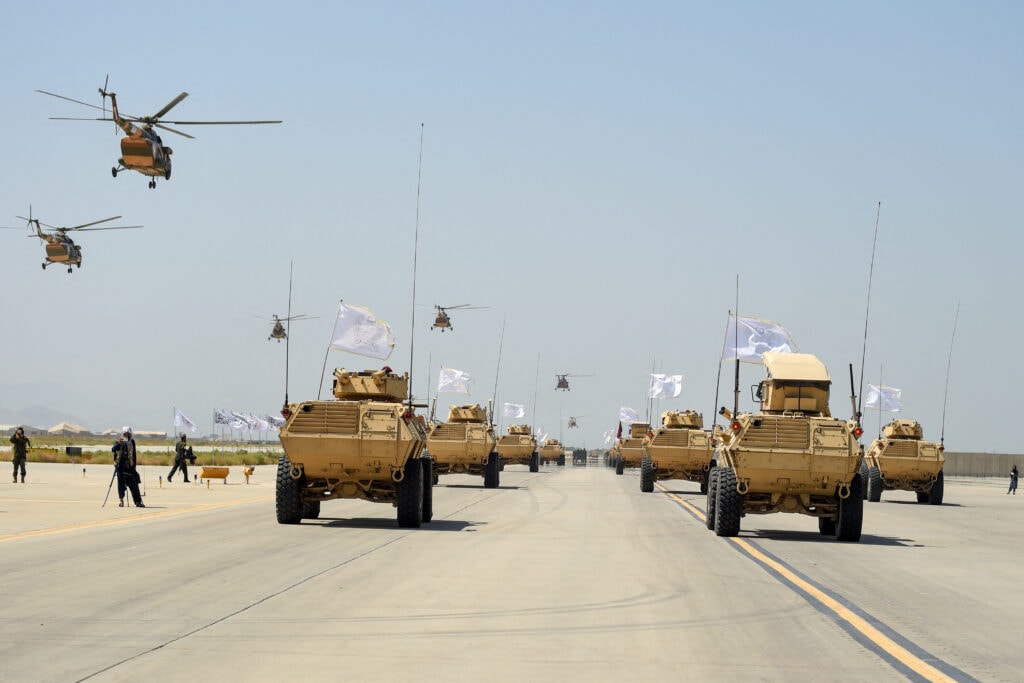
The Post-Withdrawal Afghanistan Project
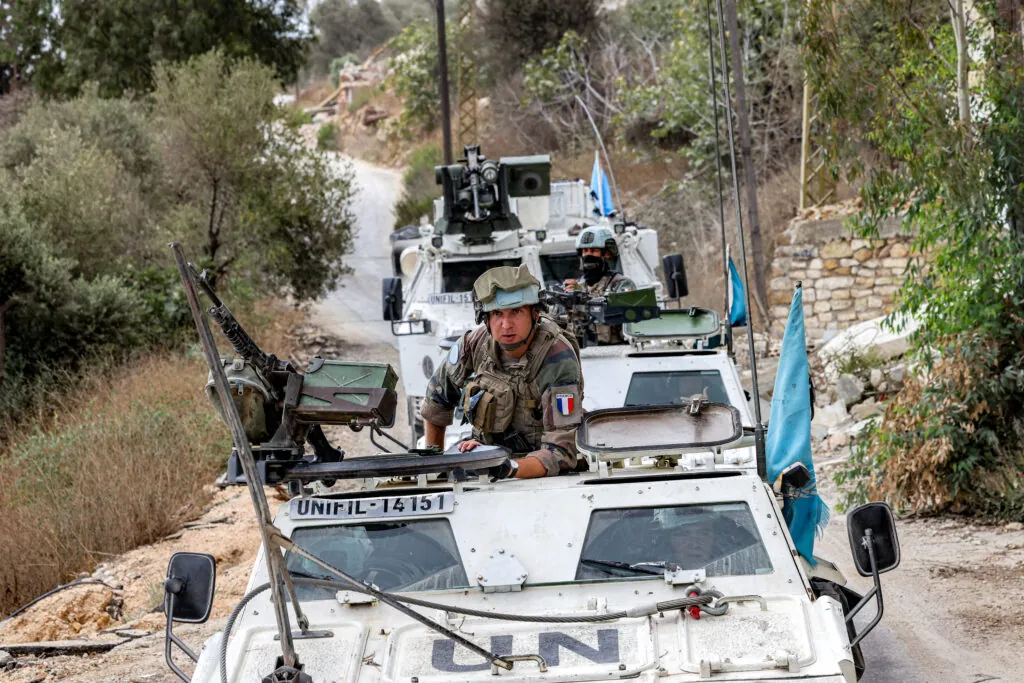
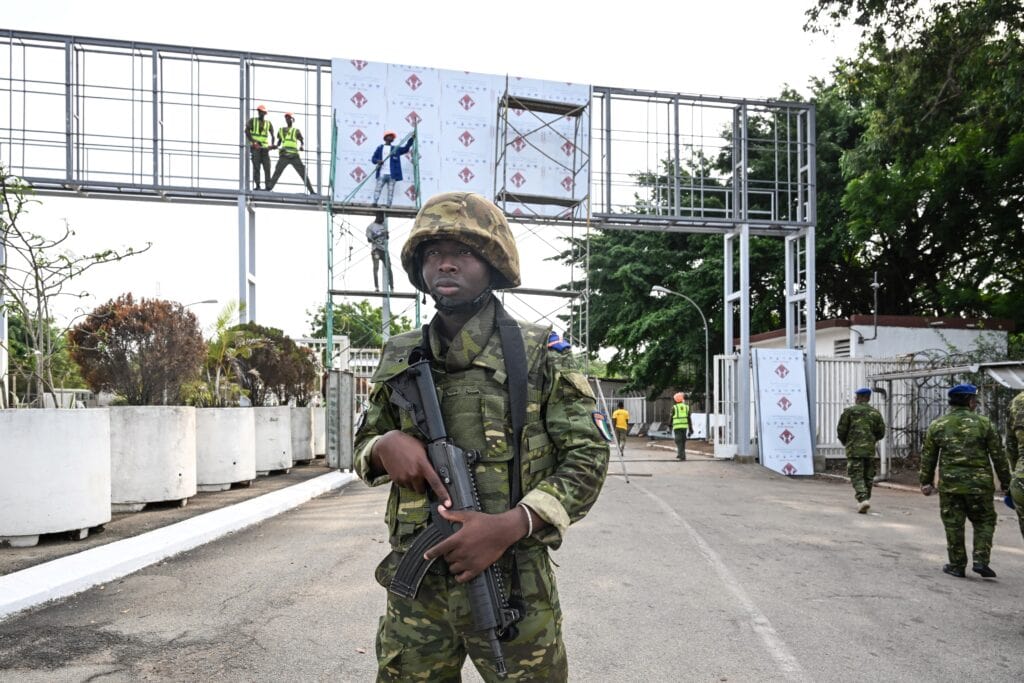
The Sahel Project
All articles

Workstream Team

Caroline Rose
Director, Crime-Conflict Nexus and Military Withdrawals

Robert Kremzner
Associate Analyst

Rafaella Lipschitz
Associate Analyst