Political Violence and Public Unrest
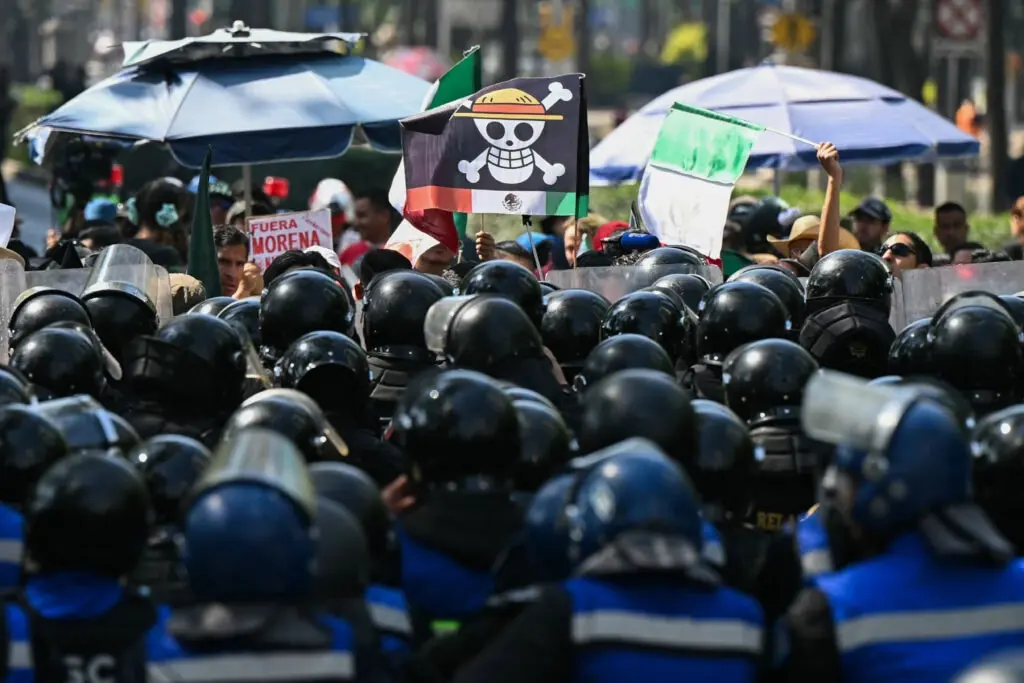
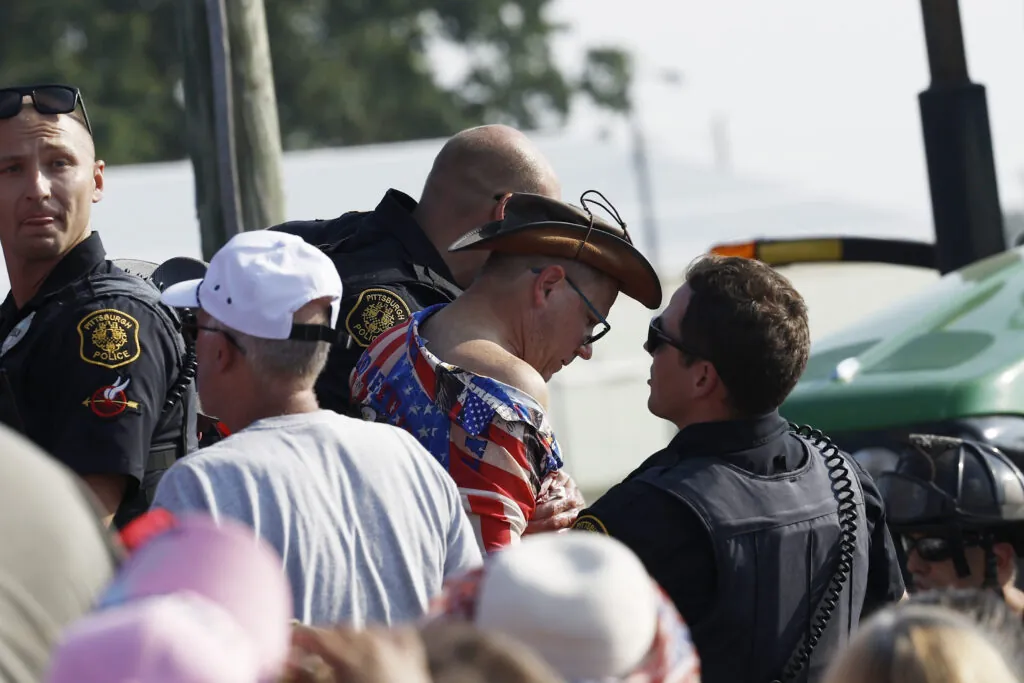
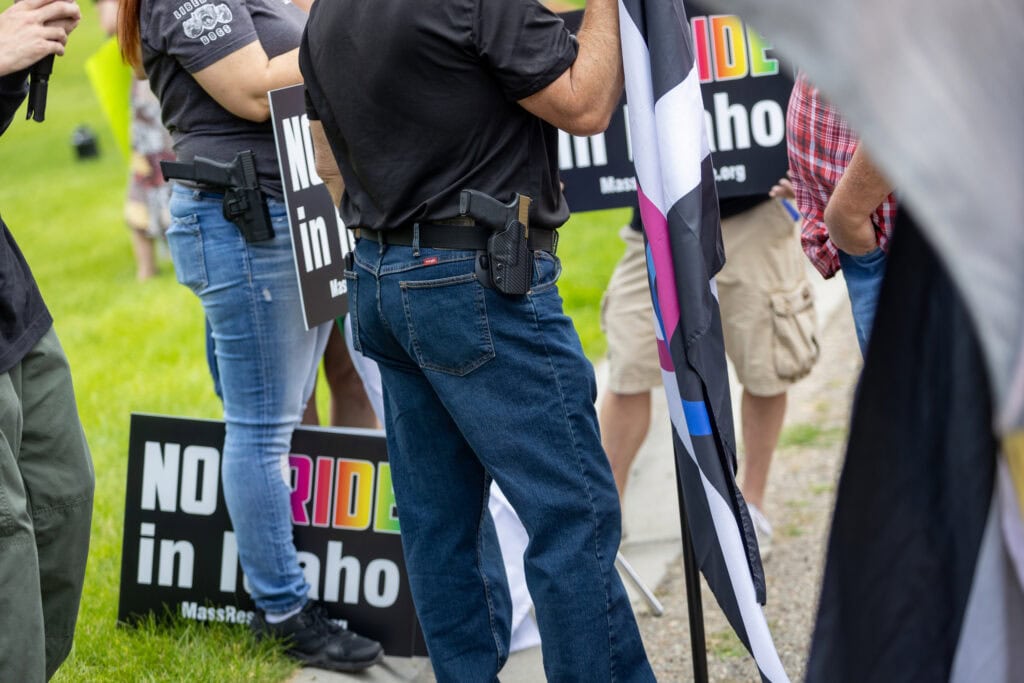
The Political Violence and Public Unrest project examines the causes of political violence, extremist mobilization, and mass unrest, and how these factors build over time. Understanding the pathways through which grievances transform into collective action and violence is essential for effective prevention and response. The project focuses on how protests, elections, policing, and polarization can escalate risk, analyzing the conditions under which political tensions tip into violence and the interventions that can reduce that likelihood. By offering practical analysis grounded in evidence, the project equips policymakers and practitioners with tools to reduce violence while protecting fundamental rights and democratic participation.
Understanding Escalation Dynamics
Political violence rarely emerges suddenly. It builds through processes of polarization, grievance accumulation, and mobilization that can be identified and addressed before they reach a breaking point. The project examines how electoral cycles, protest movements, and policing practices interact with underlying social and political tensions to shape the trajectory of unrest. By analyzing case studies and patterns across contexts, the project identifies the warning signs and structural conditions that elevate risk, enabling earlier and more targeted interventions by governments, civil society, and international actors.
Balancing Security and Rights
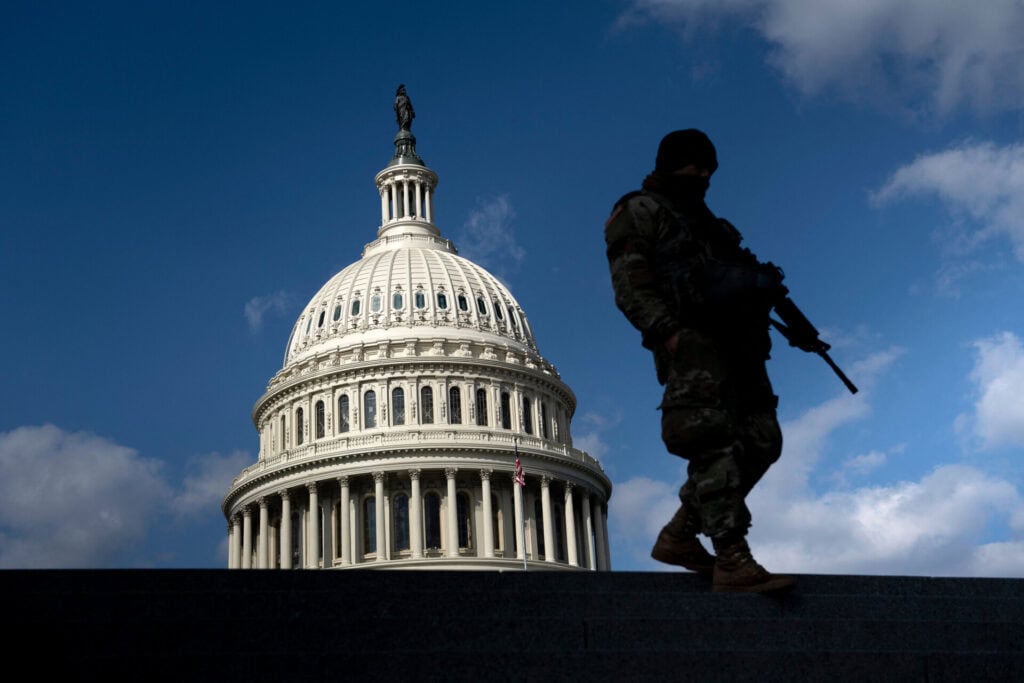
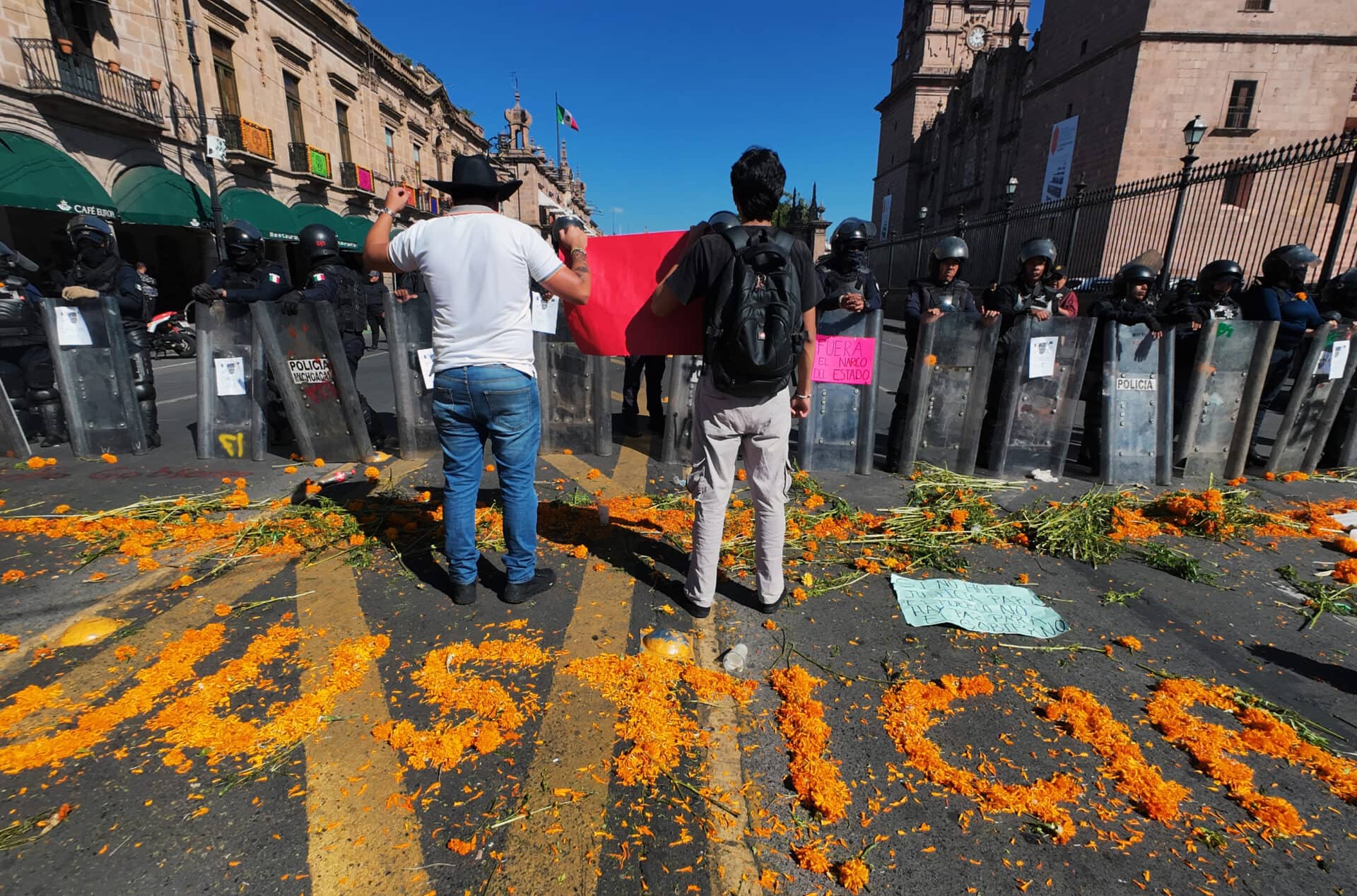
Responses to political violence and unrest carry their own risks. Heavy handed security measures can deepen grievances, erode public trust, and fuel further mobilization, while inadequate responses may fail to protect civilians or prevent escalation. The project offers practical analysis to help policymakers navigate this balance, identifying approaches that reduce violence without undermining the rights to assembly, expression, and political participation. This work emphasizes that sustainable stability depends on addressing root causes and maintaining legitimacy, not simply suppressing dissent.