Climate-Conflict Nexus
The Climate-Conflict Nexus examines how climate shocks and environmental strains can aggravate existing tensions, weaken governance, and drive mass displacement and fragility. As resource scarcity, extreme weather events, and ecological degradation reshape political and social landscapes, understanding their security implications becomes essential for effective conflict prevention. The project also considers how critical mineral and textile supply chains as well as energy transitions shape risk and resilience, recognizing that the pathways countries take toward decarbonization carry their own geopolitical and stability consequences. By integrating climate and environmental analysis into conflict assessment, the project offers practical guidance to reduce risks and support stability.
Climate as a Threat Multiplier
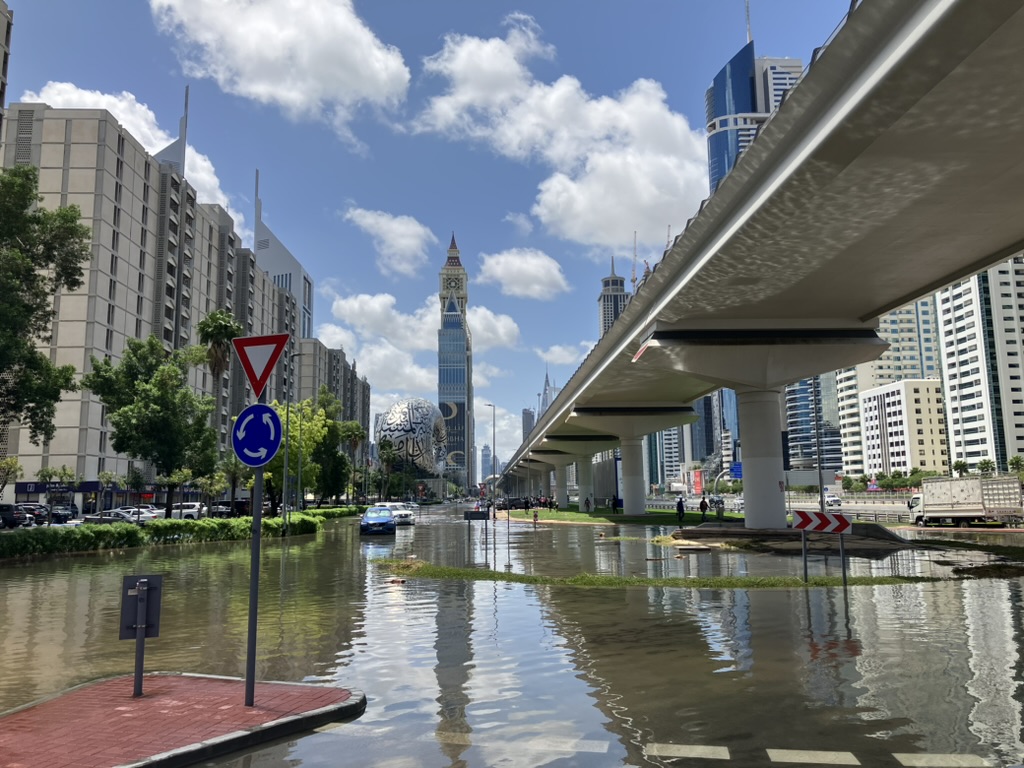
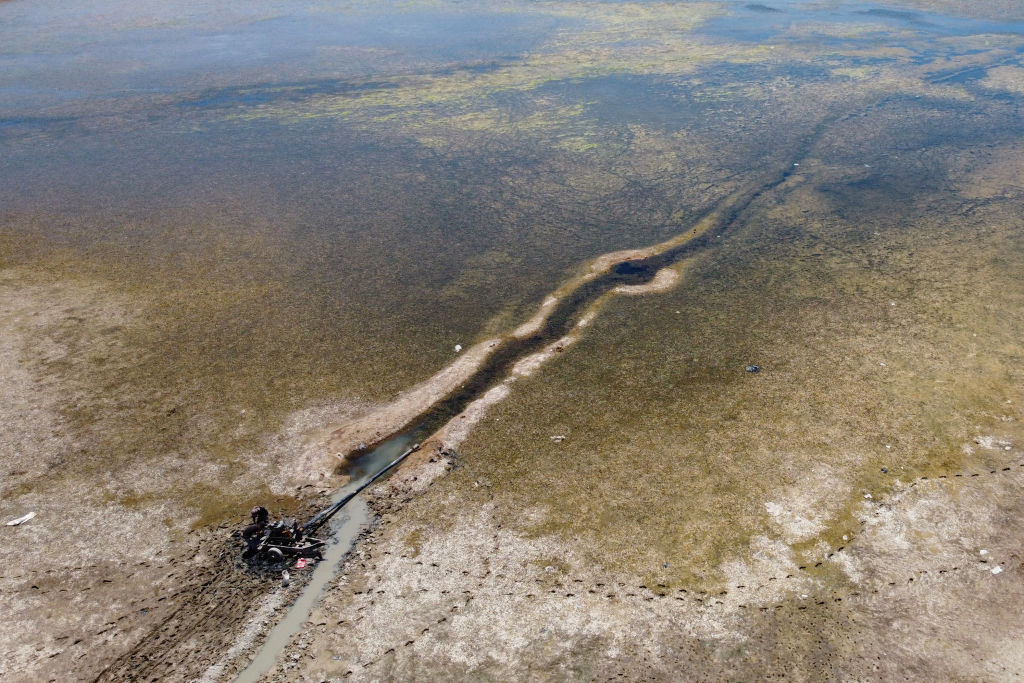
Climate change rarely causes conflict on its own, but it intensifies existing vulnerabilities. Water scarcity, agricultural disruption, and competition over diminishing resources can deepen grievances, strain government capacity, and accelerate displacement. The project analyzes how these pressures interact with governance weaknesses, ethnic or political divisions, and economic marginalization to produce instability. This approach enables policymakers to identify at risk regions and communities before climate stressors trigger escalation, allowing for targeted prevention and adaptation investments.
Supply Chains and Energy Transitions
The global shift toward renewable energy and the growing demand for critical minerals introduce new sources of competition and fragility. Extraction of cobalt, lithium, and rare earth elements often occurs in regions already affected by weak governance and conflict, raising concerns about labor practices, environmental harm, and revenue distribution. Similarly, textile supply chains intersect with climate pressures and labor vulnerabilities in ways that can exacerbate instability. The project examines how these dynamics shape risk and resilience, offering analysis to inform responsible sourcing and transition strategies that support rather than undermine stability.