Global Rohingya Initiative
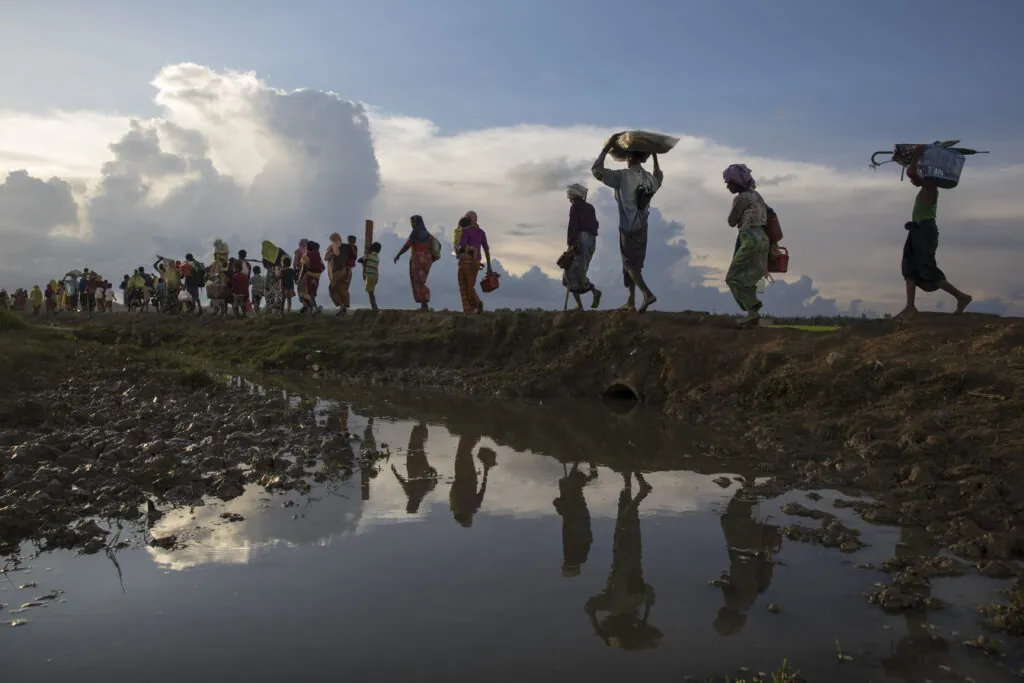
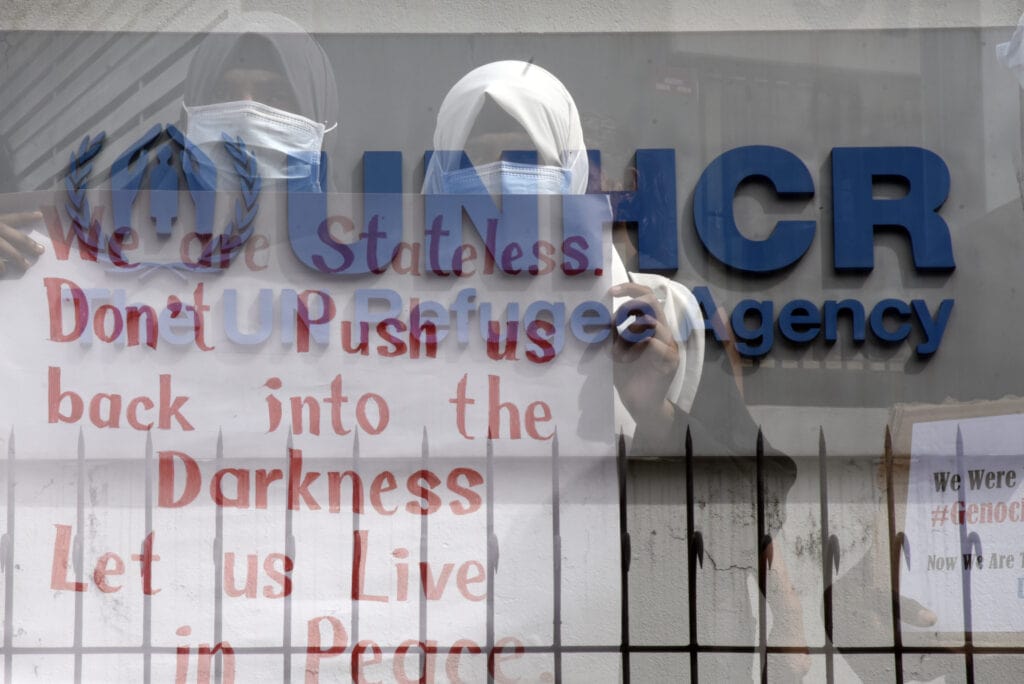
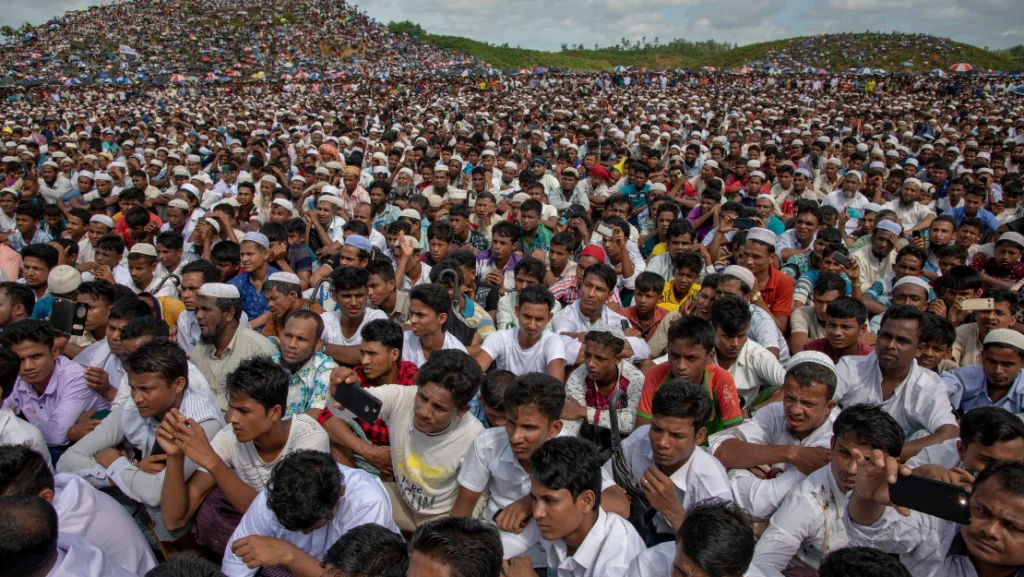
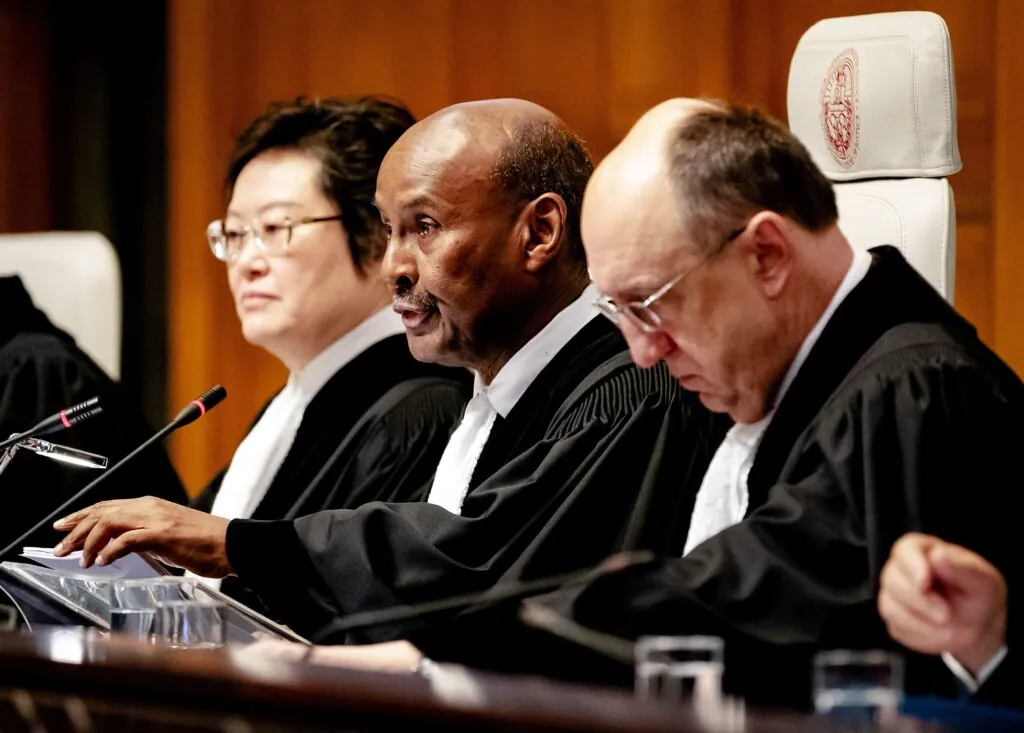
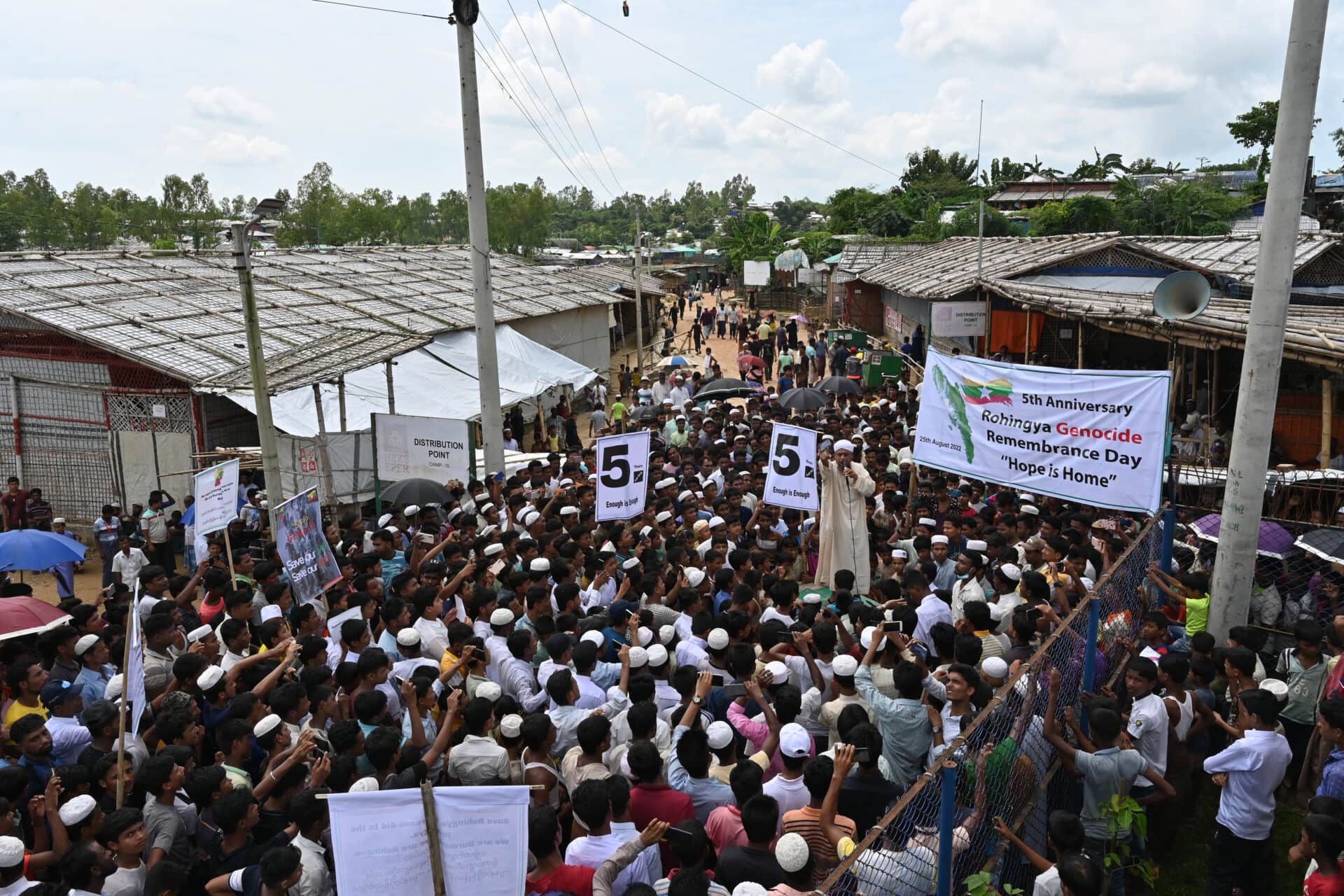
The Rohingya people have been persecuted by their own country and sought uneasy refuge in neighboring countries for decades. Successive governments in Myanmar have violated the Rohingya's rights to identity, nationality, security, and other fundamental human rights, and the military's 2017 clearance operations resulted in more than 700,000 men, women, and children fleeing to Bangladesh. While the international community broadly condemned the genocide and crimes against humanity committed against the Rohingya, the global political response has never been adequate to the crisis's scale and scope. In 2023, New Lines Institute convened the Global Rohingya Initiative to bring together key stakeholders, with a focus on empowering representatives of the Rohingya community to address this crisis in a more holistic and effective way.
A Crisis Without Resolution
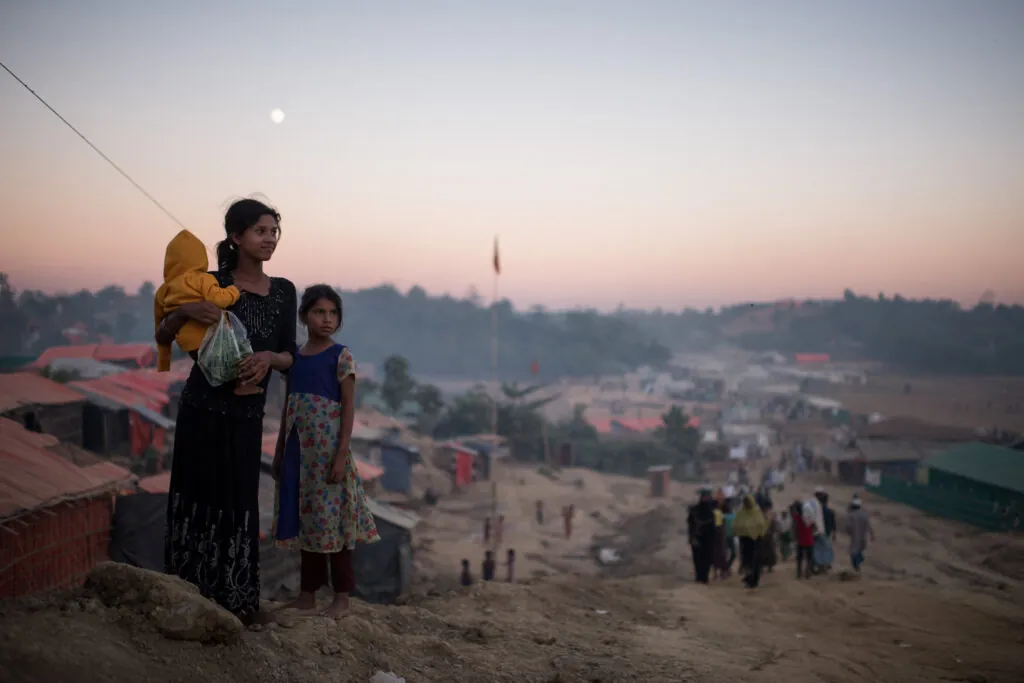
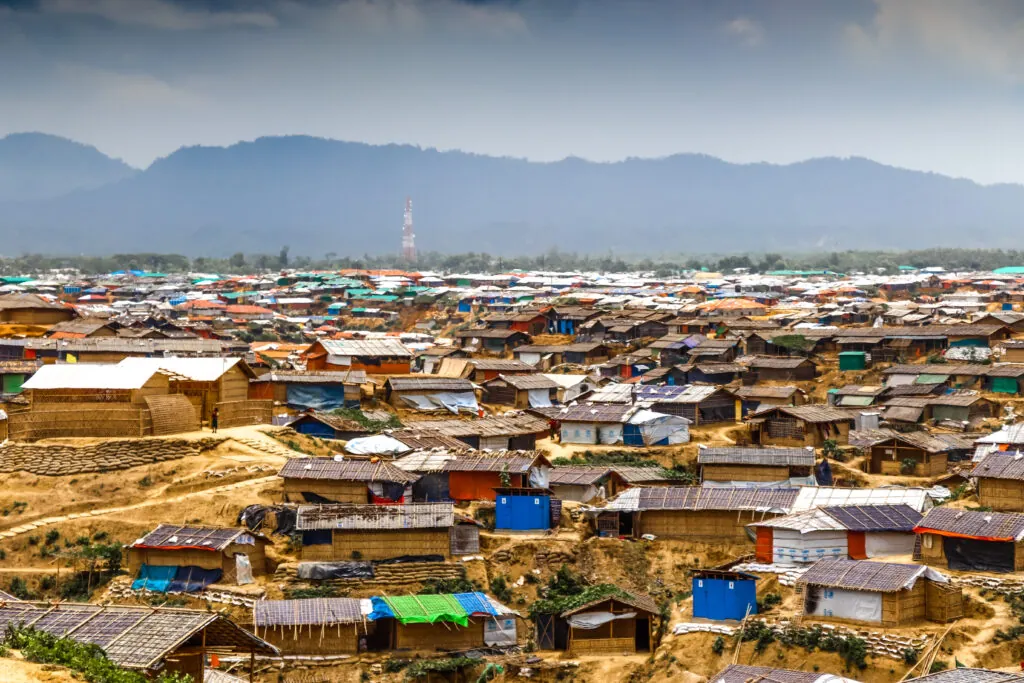
The 2021 coup in Myanmar dimmed prospects for voluntary, safe, and durable returns of Rohingya refugees, while the fluid political situation in Bangladesh has created new challenges. As refugee camps continue to swell with new arrivals, local host communities have become increasingly resentful of the burden they bear with no end in sight. International support to the camps has declined over the past five years, a trend that has accelerated under widespread aid cuts. Efforts to resolve the crisis have continually fallen short due to the failure of the international community to address its root causes or meaningfully engage Rohingya representatives in these efforts.
Empowering Rohingya Leadership
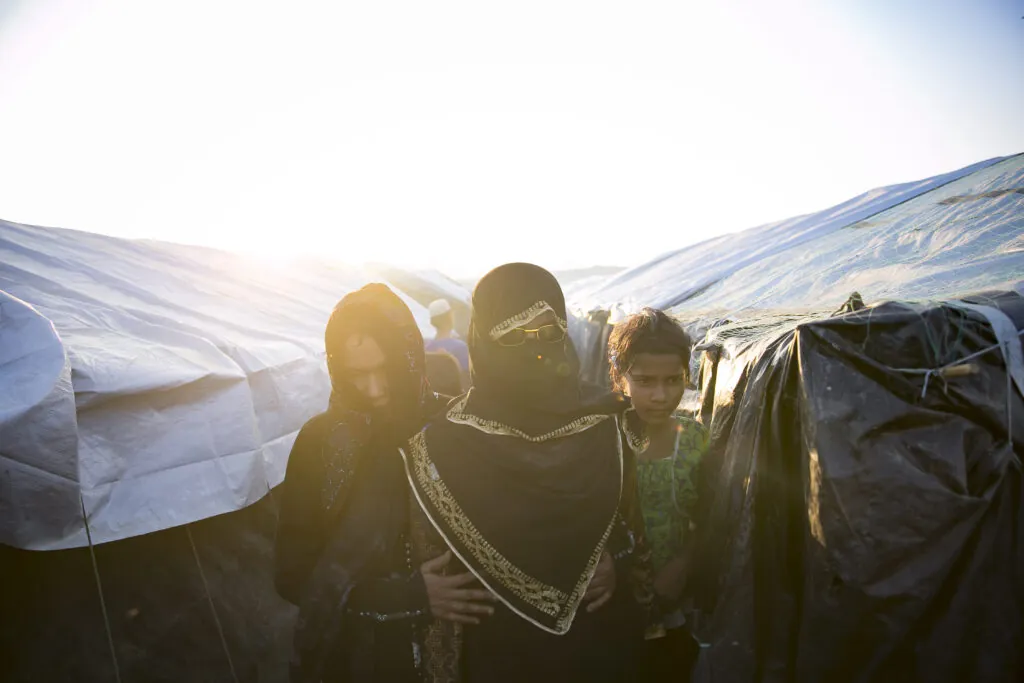
The Global Rohingya Initiative supports the emergence of a new generation of Rohingya leaders who are ready and able to engage constructively with both the international community and emerging post coup Burmese political configurations. Rohingya women, often represented only as victims, lack meaningful representation in community, national, regional, and international discussions about their own future. By centering Rohingya voices and priorities, the Initiative seeks to address this gap and ensure that those most affected by the crisis have a seat at the table in shaping its resolution.