Central Asia Roundup: July 2026
Kazakhstan
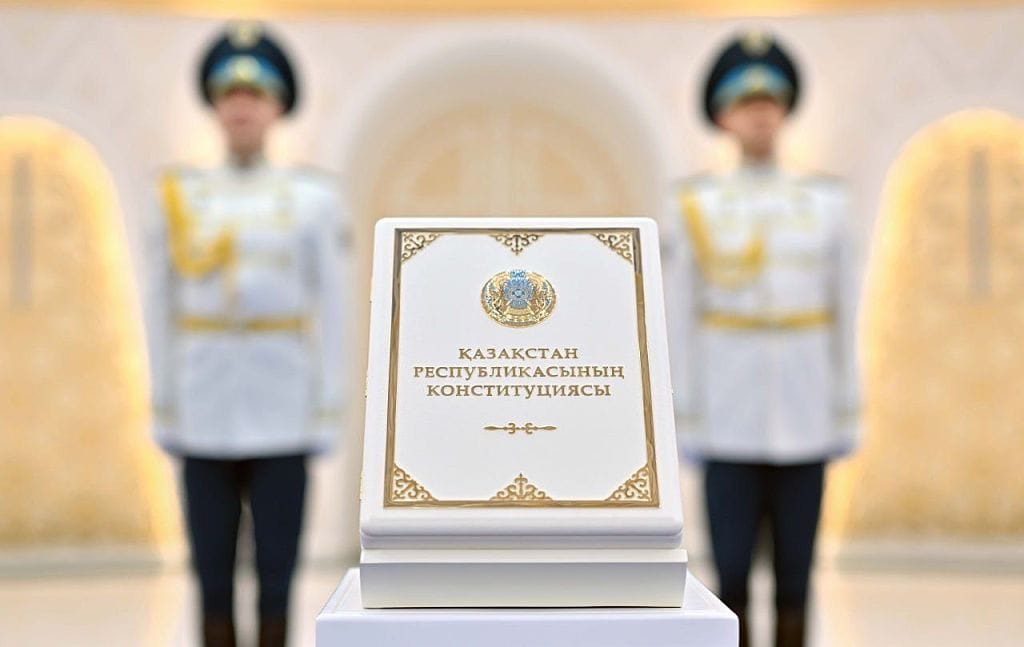
After Kazakhstan’s new constitution took effect on July 1, the country shifted into campaign mode as elections for its new representative body, the Kurultai, were set. After the final session of the bicameral Kazakh parliament was held June 30, President Kassym-Jomart Tokayev set an Aug. 23 vote for the new unicameral legislature. The Central Election Commission approved a full election calendar, with party list nominations running July 2-13 and a party list registration deadline of July 23. On investment, Kazakhstan signed over $15 billion worth of deals spanning transport, energy, manufacturing, critical minerals, and technology with China at the Shanghai AI summit in mid-July.
Uzbekistan
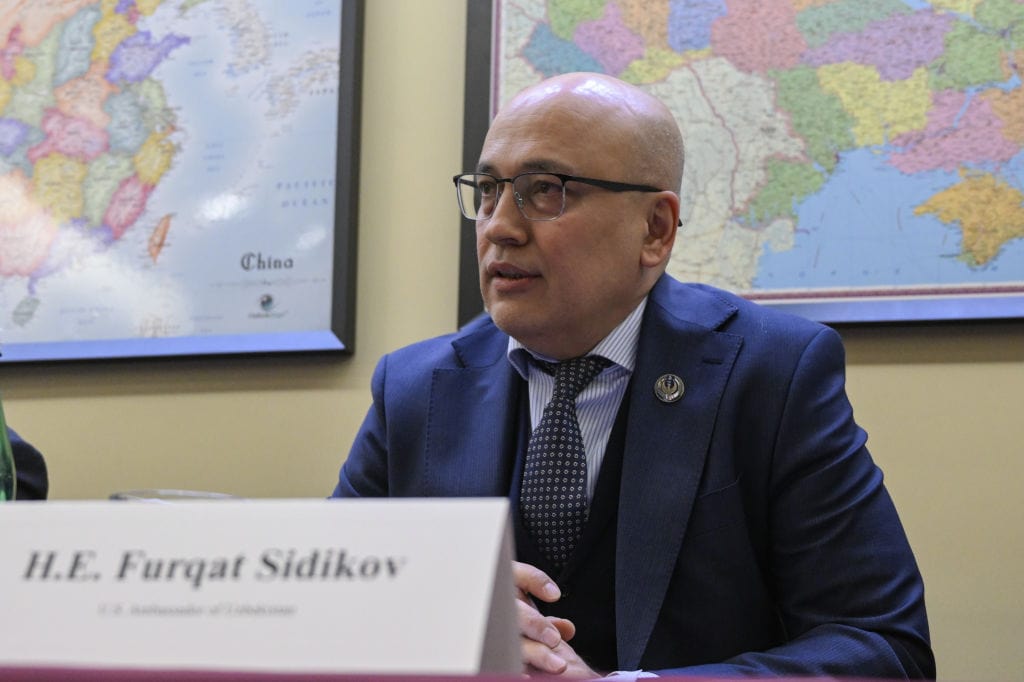
In late July, Uzbekistan’s Central Bank warned that the country’s economy is showing signs of overheating as growth outpaces the economy’s sustainable, long-term capacity. President Shavkat Mirziyoyev signed a constitutional amendment establishing the Tashkent International Financial Center, a special economic zone based on English common law and meant to boost Uzbekistan’s international financial sector by providing foreign investors a legally familiar area to conduct business – a response to longstanding concerns among foreign investors about the reliability of domestic courts to protect their economic interests. On the diplomatic front, following his July 8-9 visit to Minsk, Mirziyoyev reviewed a presentation on the implementation of agreements with Belarus to improve bilateral ties. One such deal envisions the deployment of 5,000 Uzbek workers to the Vitebsk region. This deal comes at a time when labor issues are in sharp focus following a spat between Uzbek workers and a Belarusian company over pay and working conditions. Tashkent also spent considerable time expanding ties with Afghanistan, with private sector businesses from both countries signing over $200 million worth of new agreements covering sectors from agriculture to mining and mineral processing. Domestically, Mirziyoyev ordered 2027 economic planning to be built on a ”mobilization scenario” amid global uncertainty, after criticizing weak commodity intervention systems that left 325,000 tons of potatoes unsold. In late July, Mirziyoyev, citing mismanagement of the nation’s energy sector, dismissed Jurabek Mirzamahmudov, the country’s energy minister.
Kyrgyzstan
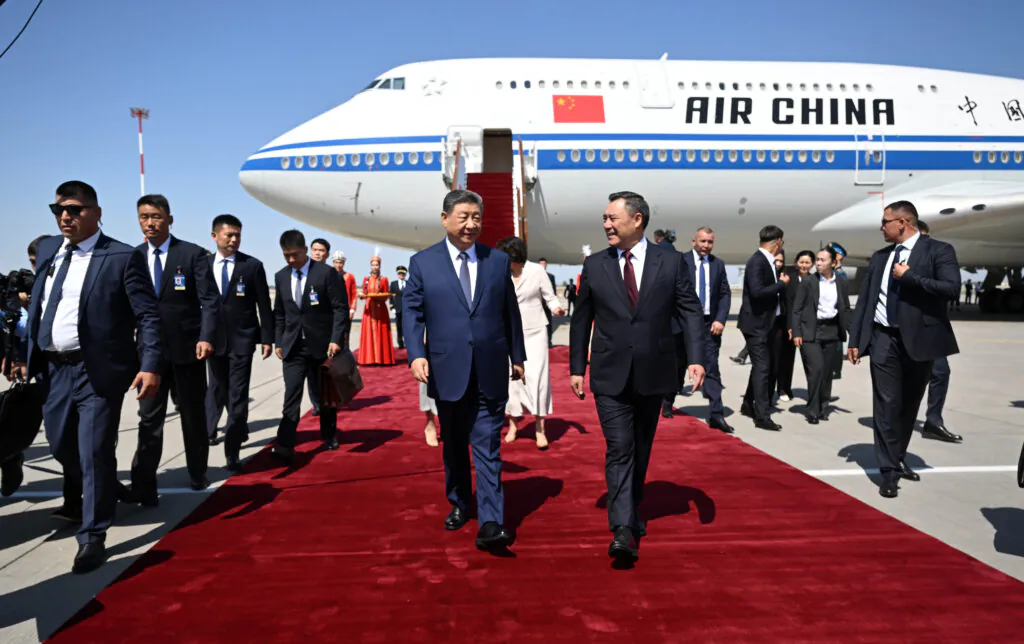
Kyrgyzstan finished preparations for the Shanghai Cooperation Organization (SCO) summit while efforts to hold up the value of the som diminished the country’s currency reserves. The SCO’s Council of Foreign Ministers met in Cholpon-Ata July 23–24 to finalize documents ahead of the Council of Heads of State summit to be held Aug. 31-Sept. 1 in Bishkek. Foreign Minister Jeenbek Kulubaev said most preparations for the event were complete, and the city of Bishkek pressed ahead with facade renovation, road repair, and utility work ahead of the summit and the World Nomad Games, also set to begin on Aug. 31. On July 14, the national bank intervened for the eighth time this year, pushing cumulative 2026 currency sales to $1.473 billion as of July 16 against $853 million for all of 2025. At the same time, the bank presented the move as a policy-smoothing tool rather than an effort to manage the som’s exchange rate. A July 6-9 visit by President Asif Ali Zardari marked the first by a Pakistani head of state in 20 years, and signaled the country’s desire to expand partnerships with Kyrgyzstan and other Central Asian states to facilitate higher export volumes from its deep water ports.
Tajikistan
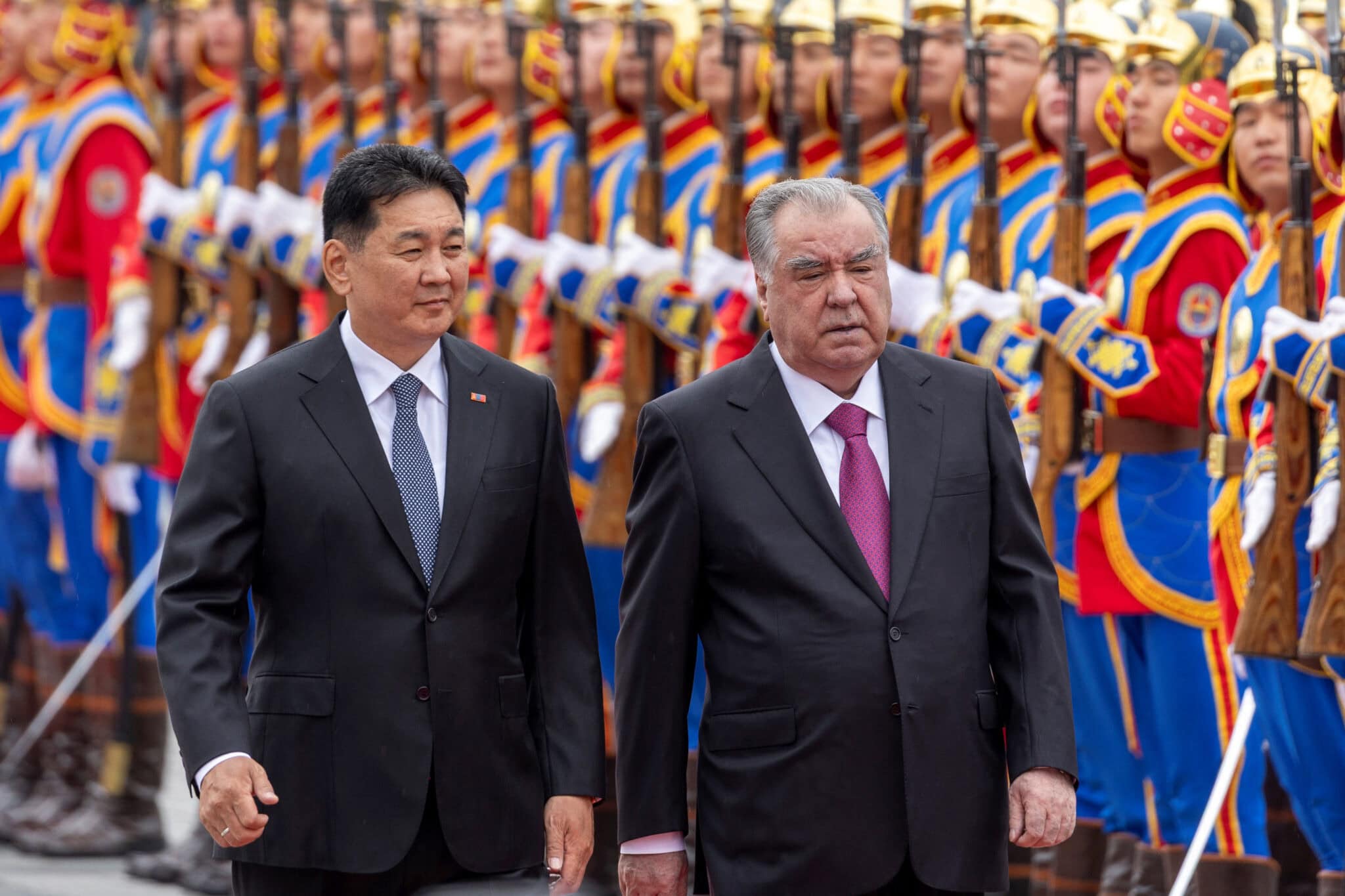
President Emomali Rahmon’s recent visit to Mongolia, his first since 2009, reflects Tajikistan’s aim to broaden market access and build partnerships with its neighbors. The visit included a meeting with Mongolian President Ukhnaa Khurelsukh, during which they discussed expanding ties in politics, trade, agriculture, energy, transport, and culture. On July 15-16 a Tajik delegation led by Deputy Foreign Minister Idibek Kalandar met with EU officials in Brussels, further demonstrating Tajikistan’s willingness to work with the EU to maintain access to European markets and opportunities.
Turkmenistan
Turkmenistan focused on turning signed agreements with Azerbaijan into action plans. The meeting of the Turkmen-Azerbaijani Intergovernmental Commission on Economic Cooperation convened in Ashgabat on July 8, resulting in signed protocols on trade, energy, transport, agriculture, food security, environmental protection, and water infrastructure cooperation. Separately, Turkmen President Serdar Berdimuhamedov addressed the Turkmen-Georgian Business Forum in Tbilisi on July 16, and Turkmenistan’s U.N. ambassador spoke at a high-level Security Council debate on managing natural resources for peace and security on July 22.
Regional Integration
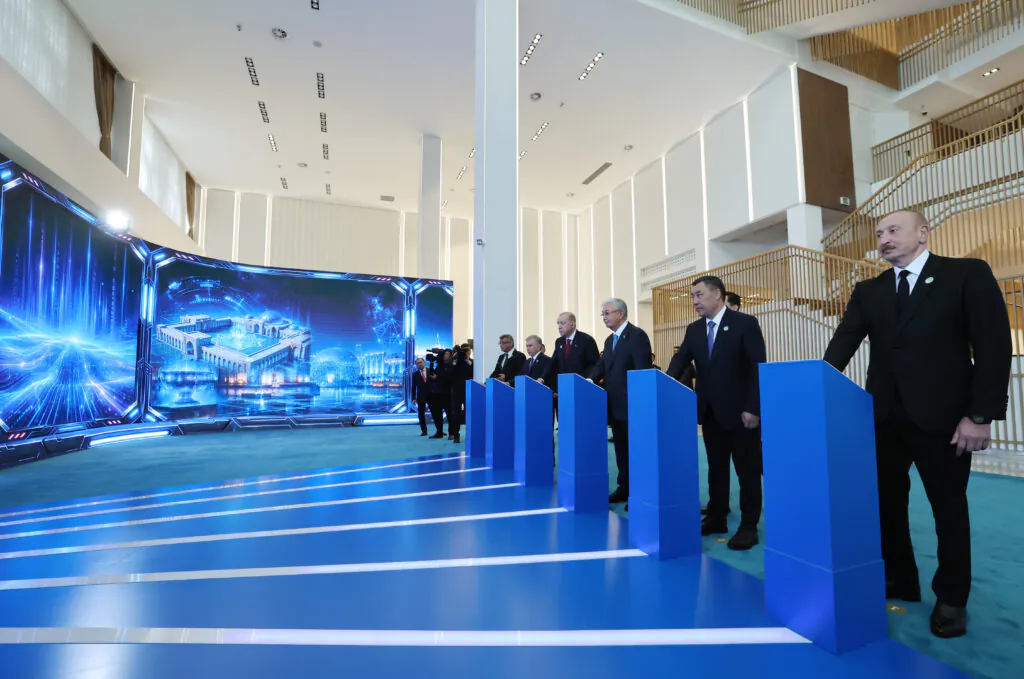
Azerbaijani President Ilham Aliyev and Central Asian leaders signed a joint declaration mapping out future cooperation after a they met in Kyrgyzstan on July 31. During the meetings, the Central Asian countries also entered into bilateral deals, including a treaty between Uzbekistan and Kyrgyzstan and several agreements between Azerbaijan and Kyrgyzstan.
Central Asian leaders also made efforts to deepen trade cooperation. Turkmenistan and Azerbaijan moved to set up a bilateral trade commission, and Turkmen and Uzbek foreign ministers met to advance cooperation in trade, transport, energy, and industry.
Elsewhere, Kyrgyzstan and Uzbekistan completed a land exchange under their delimitation treaty, while Pakistani and Tajik officials discussed cooperation on AI and youth development.
A senior Uzbek delegation traveled to Kabul, where officials signed 22 deals worth more than $200 million with their Afghan counterparts before continuing on to Bamyan and Herat. Separately, Uzbekistan and Afghanistan struck new pharmaceutical deals, and Kyrgyzstan and Afghanistan launched a joint business council of their own. Meanwhile, Tajik authorities reported seven skirmishes with drug traffickers on the Tajik-Afghan border in the first half of 2026, with 17 Afghans “neutralized” and more than a ton of illicit substances seized, including narcotics and synthetic psychotropics.
U.S.-Central Asian Relations
U.S. Sen. Steve Daines, who is retiring at the end of his current term in January, wrapped up what was likely his farewell tour of Central Asia as he visited leaders in Azerbaijan, Kazakhstan, and Turkmenistan in July. Some read his trip as U.S. groundwork for the long-discussed Trans-Caspian pipeline, of which Daines is a proponent. Trade frictions surfaced as Washington slapped a new 12.5% tariff on select exports from Kazakhstan over a forced-labor review, although Kazakh officials say only about 5% of its exports would be affected. In Washington, U.S. Secretary of State Marco Rubio met with Tajik Foreign Minister Sirojiddin Muhriddin in a restart of bilateral talks after a four-year pause, with critical minerals – particularly antimony – topping the agenda alongside counterterrorism cooperation. Kazakhstan, meanwhile, is pressing ahead with a $4.9 billion environmental fine against the North Caspian Operating Company – the joint venture among U.S. oil majors ExxonMobil and Shell, along with TotalEnergies and the China National Petroleum Corporation, that operates the Kashagan oil field – despite an international tribunal’s order to halt enforcement. The decision has created a standoff that could be a warning sign for foreign investors. And Turkmenistan got a new top U.S. diplomat, with Kristin Hawkins stepping in as chargé d’affaires to help maintain ties until a permanent ambassador is named.
Photo: Mongolia’s President Ukhnaagiin Khurelsukh (L) and Tajikistan’s President Emomali Rahmon review honour guards during a welcome ceremony in Ulaanbaatar on July 21, 2026. (Photo by Byambasuren BYAMBA-OCHIR / AFP via Getty Images)