


Crime-Conflict Nexus
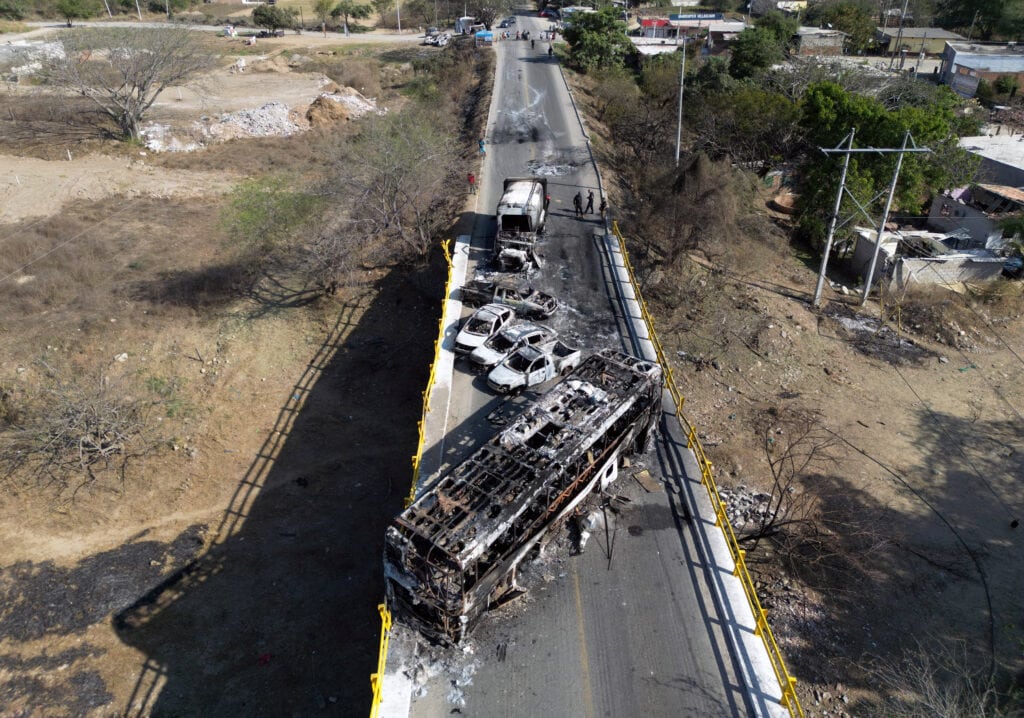
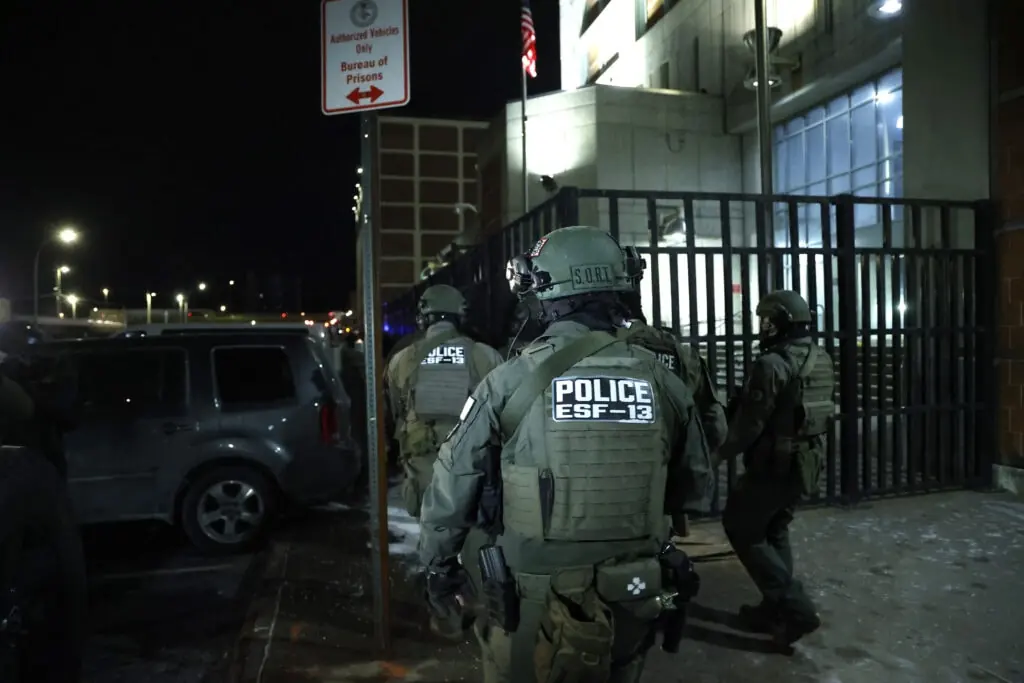
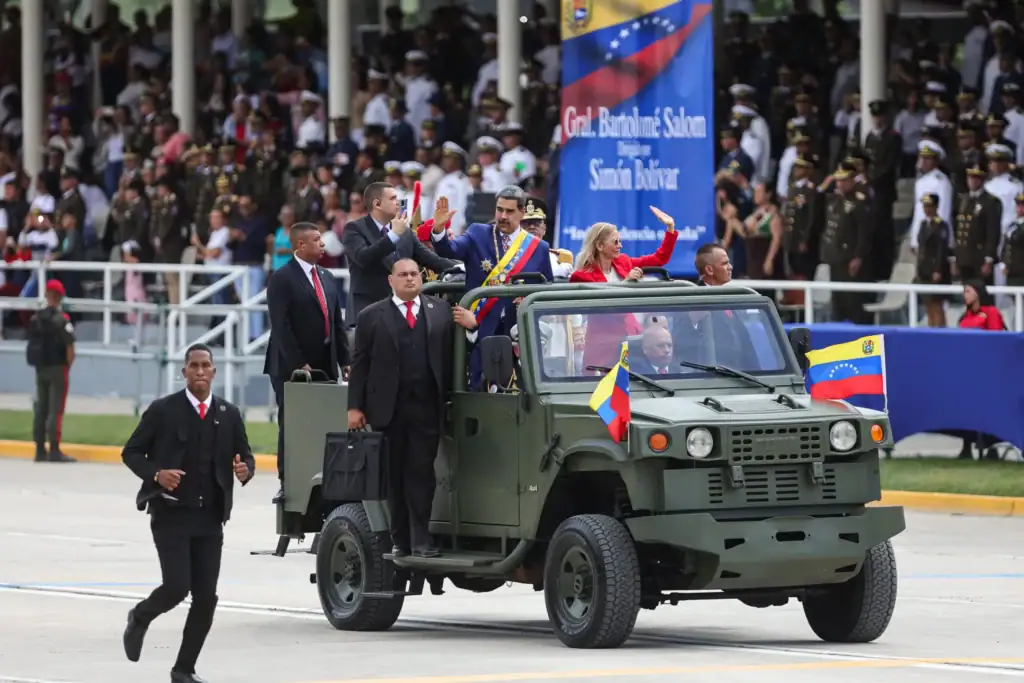
The relationship between criminal activity and conflict is complex, but unpacking it offers needed perspective on key global political hotspots. Illicit activities like smuggling or production of drugs, weapons, antiquities, and wildlife provide state and non-state actors with alternative revenue streams, granting them financial resources, political influence, and access to arms. These networks often use their power to alter the status quo within states or regions, laying the groundwork for conflict and instability. This portfolio examines the relationship among criminal activity, conflict, and insecurity, and our work seeks to illuminate the challenges criminal actors pose to domestic security and U.S. interests abroad.
From Smuggling to Instability
Criminal networks gain more than profits from illicit trade. They build credibility within local communities, accumulate political influence, and acquire resources that can be used to improve their standing and destabilize governments. This progression from economic activity to political power creates conditions for conflict.
A Global Challenge
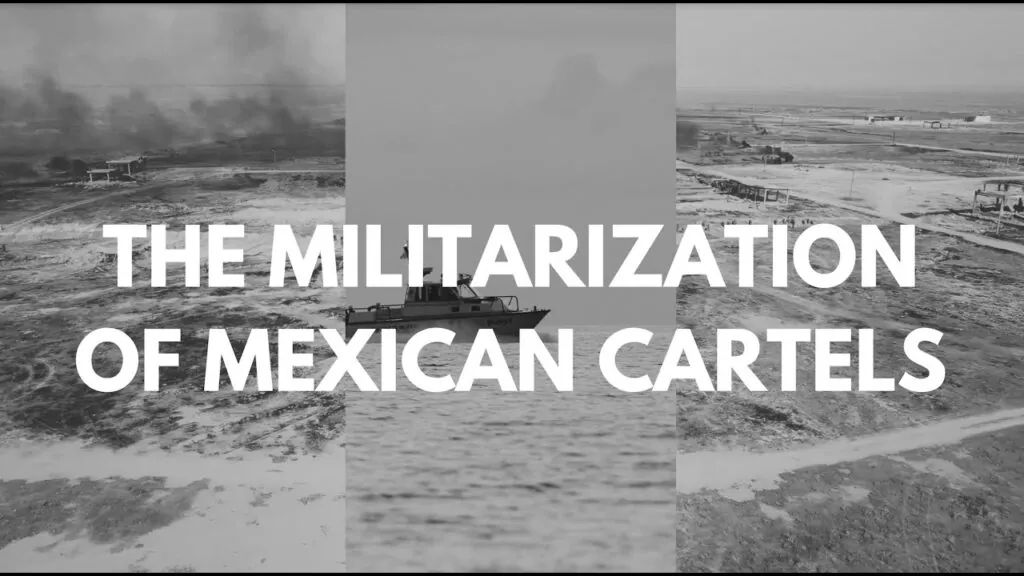
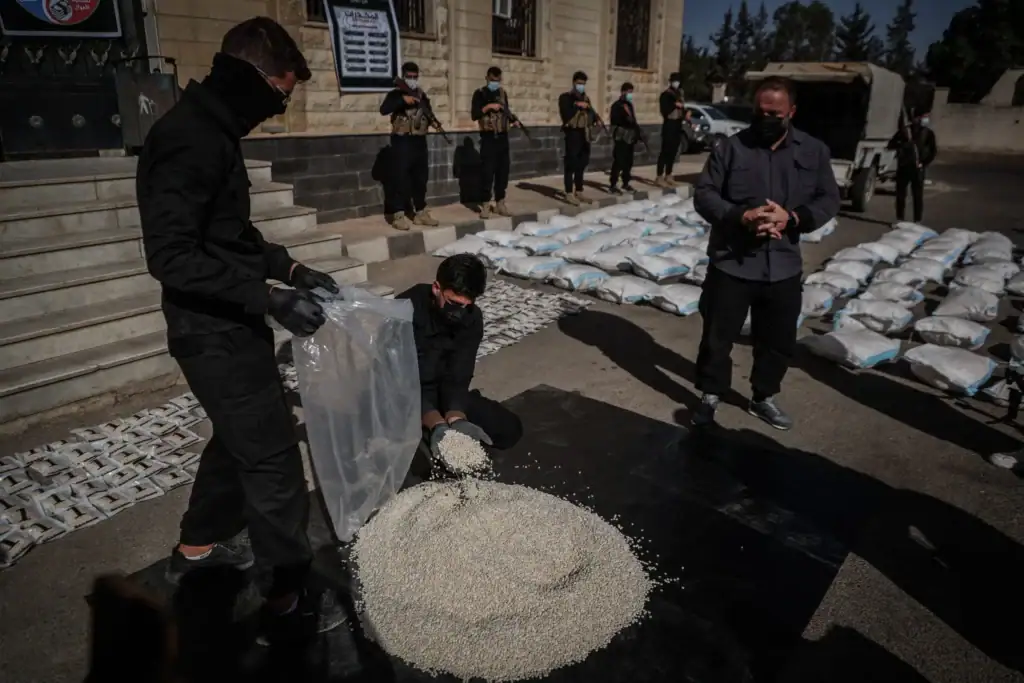
This nexus is well at play today. The Taliban’s involvement in Afghanistan’s poppy trade, the former Syrian regime and Hezbollah’s sponsorship of captagon trafficking, and the growing influence of the Sinaloa and CJNG cartels in North America all present complex health, security, and governance challenges for the U.S. and its partners.
Projects
Crime Beat Conversations
Mafiacracies Project
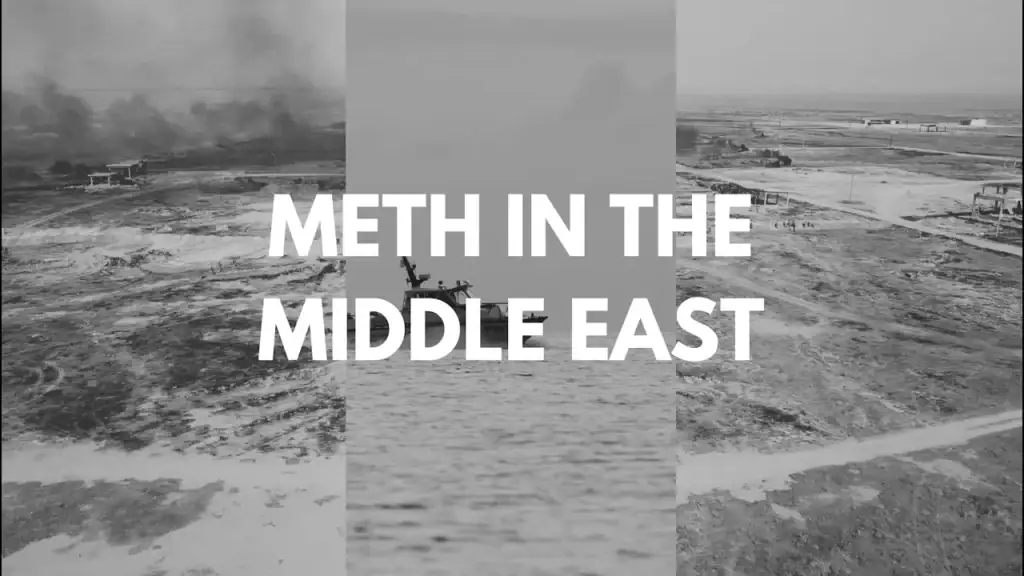
Middle East Methamphetamines Project
Special Project on the Captagon Trade
The Taliban Poppy Ban Project
All articles


Workstream Team

Caroline Rose
Director, Crime-Conflict Nexus and Military Withdrawals

Rafaella Lipschitz
Associate Analyst

Robert Kremzner
Associate Analyst