
Preventing Violent Extremism
The Preventing Violent Extremism project focuses on how radicalization happens and what reduces the cycle of recruitment and violence before it begins. Effective prevention requires understanding the social, political, and psychological pathways through which individuals and communities become vulnerable to extremist messaging and mobilization. The project emphasizes community based prevention, safe and humane reintegration, and counterterrorism approaches that address root causes rather than symptoms alone. By examining what works in disrupting radicalization and supporting those seeking to exit extremist movements, the project offers practical guidance for governments, civil society, and international partners committed to reducing violence while upholding human rights and dignity.
Understanding Radicalization Pathways
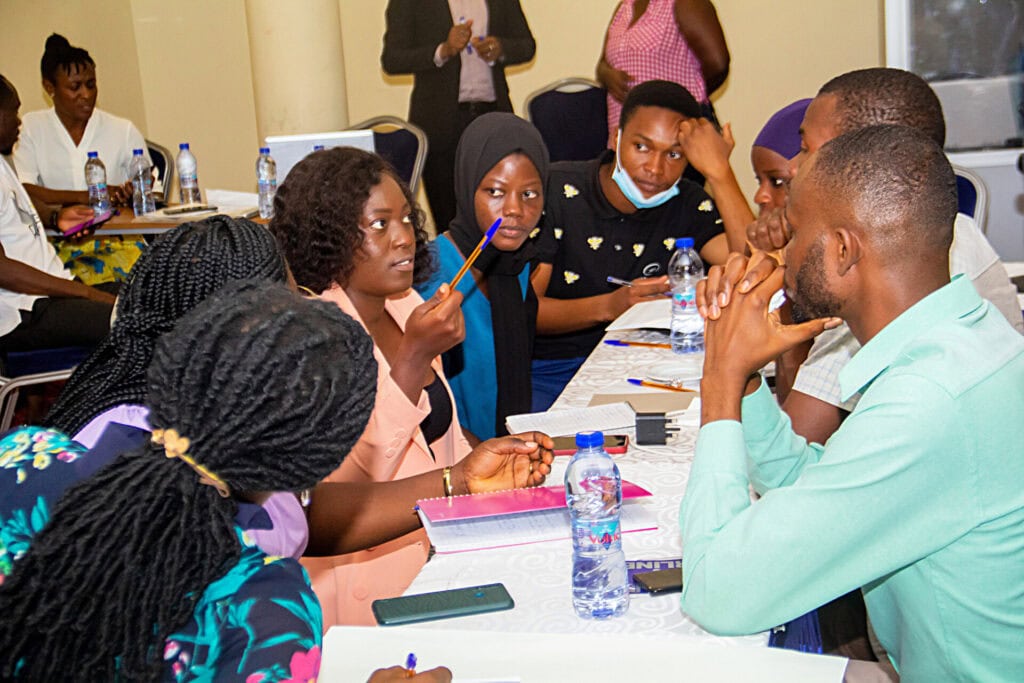
Radicalization is not a linear or inevitable process. It occurs through a combination of personal grievances, social networks, ideological exposure, and enabling environments that vary across contexts and individuals. The project analyzes how these factors interact to drive recruitment into violent extremist movements and identifies the intervention points where prevention efforts are most effective. This includes examining the role of online spaces, community dynamics, and governance failures in creating conditions conducive to extremism. By grounding analysis in evidence rather than assumptions, the project helps practitioners design prevention strategies tailored to specific contexts and populations.
Reintegration and Rehabilitation
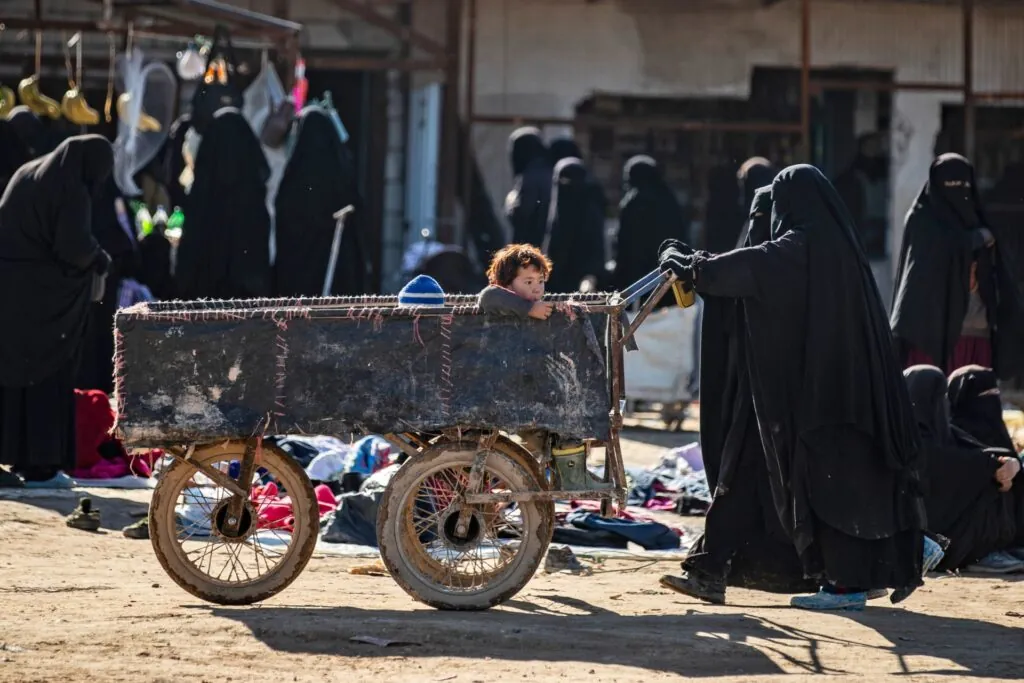
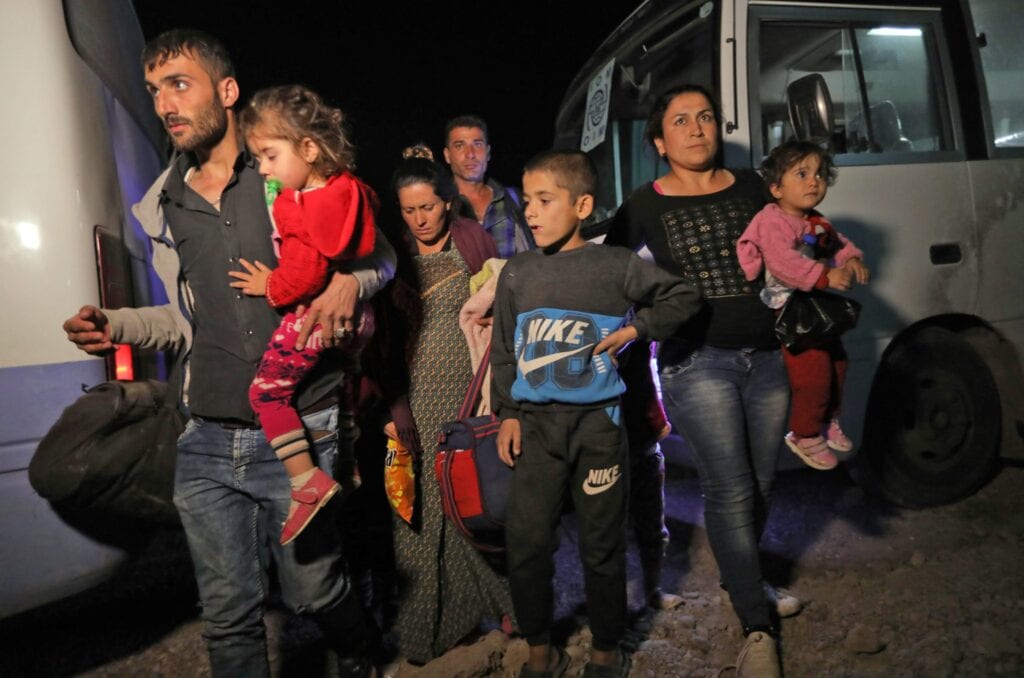
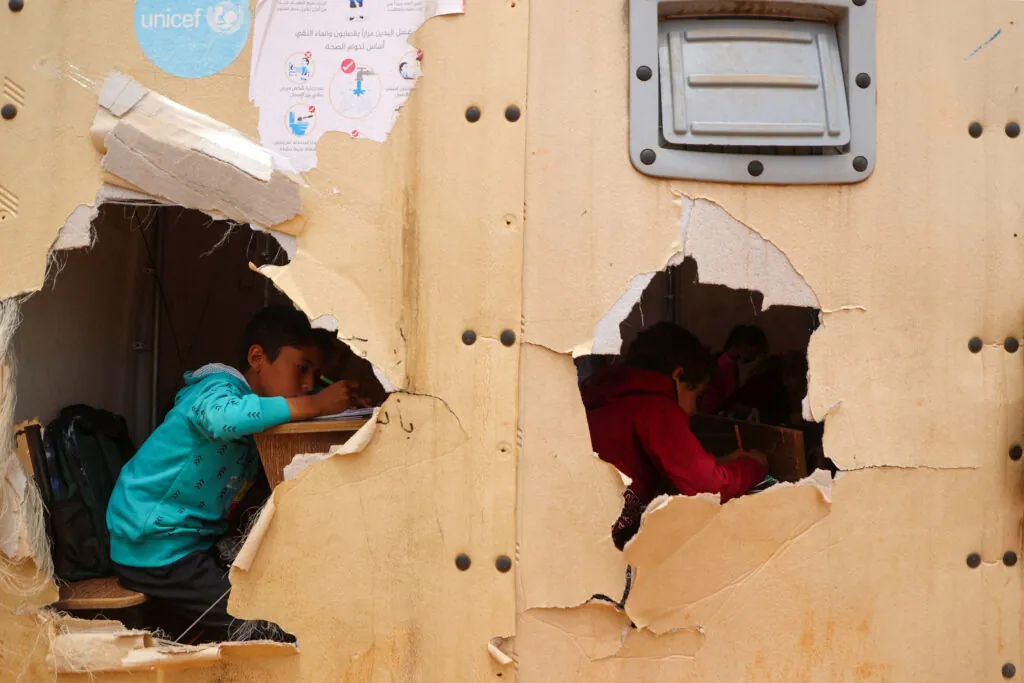
Breaking the cycle of violent extremism requires not only preventing recruitment but also supporting individuals seeking to leave extremist movements. The project examines approaches to safe and humane reintegration, including reeducation programs, community based support, and pathways to reestablishing social ties. This work recognizes that punitive approaches alone are insufficient and that sustainable deradicalization depends on addressing the underlying needs and grievances that drove involvement in the first place. The project’s analysis of programs such as those addressing the children of ISIS in Syria highlights both the humanitarian imperative and the practical challenges of reintegration in complex post conflict environments.