The Post-Withdrawal Afghanistan Project
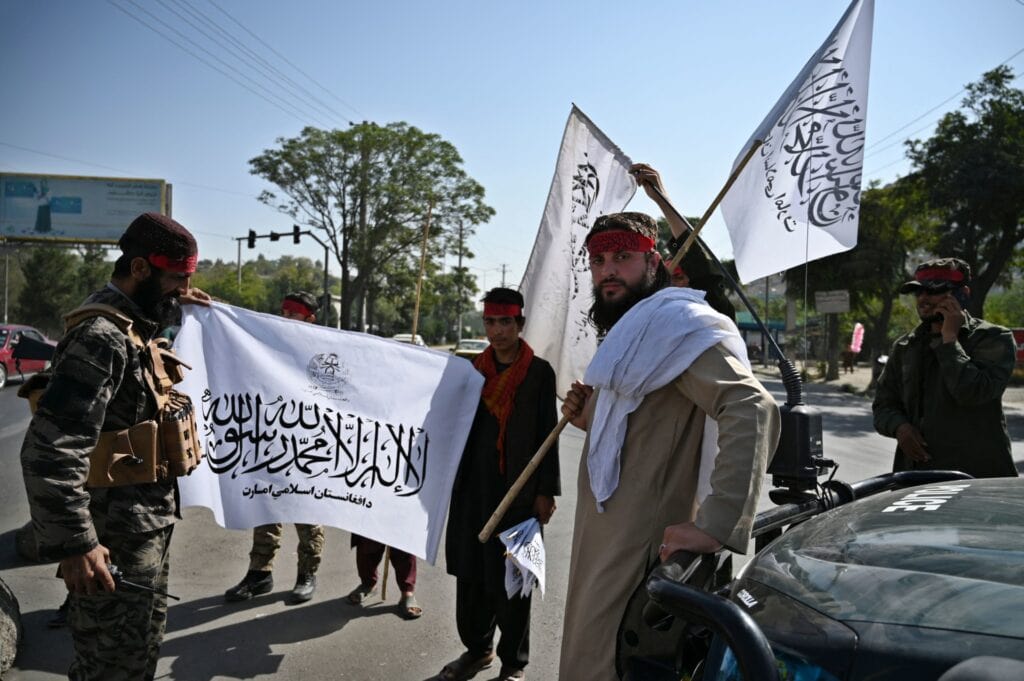
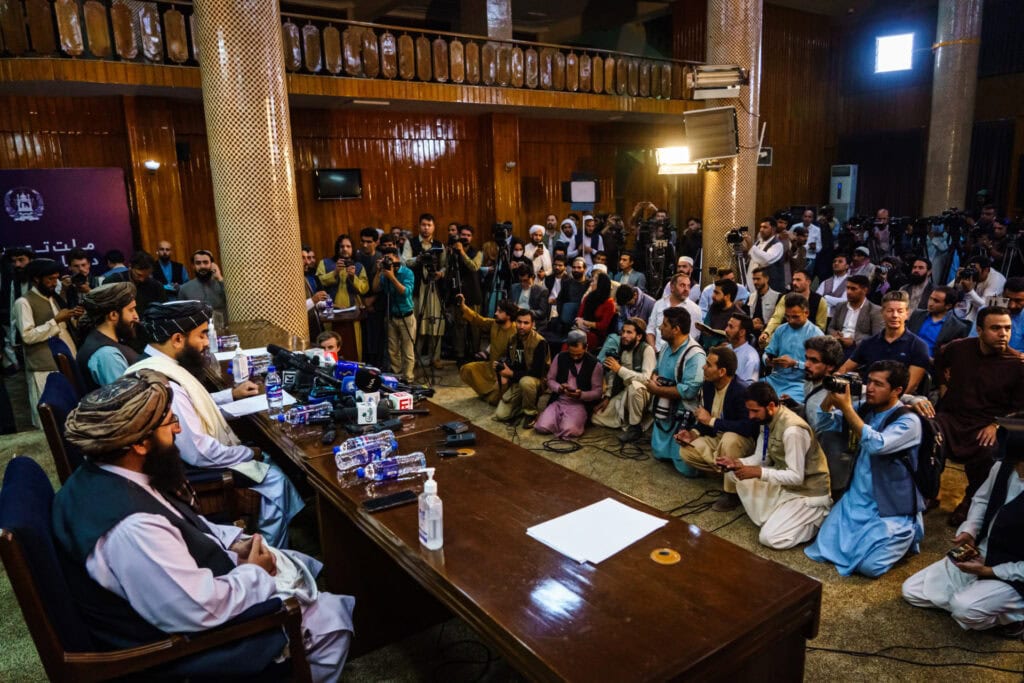
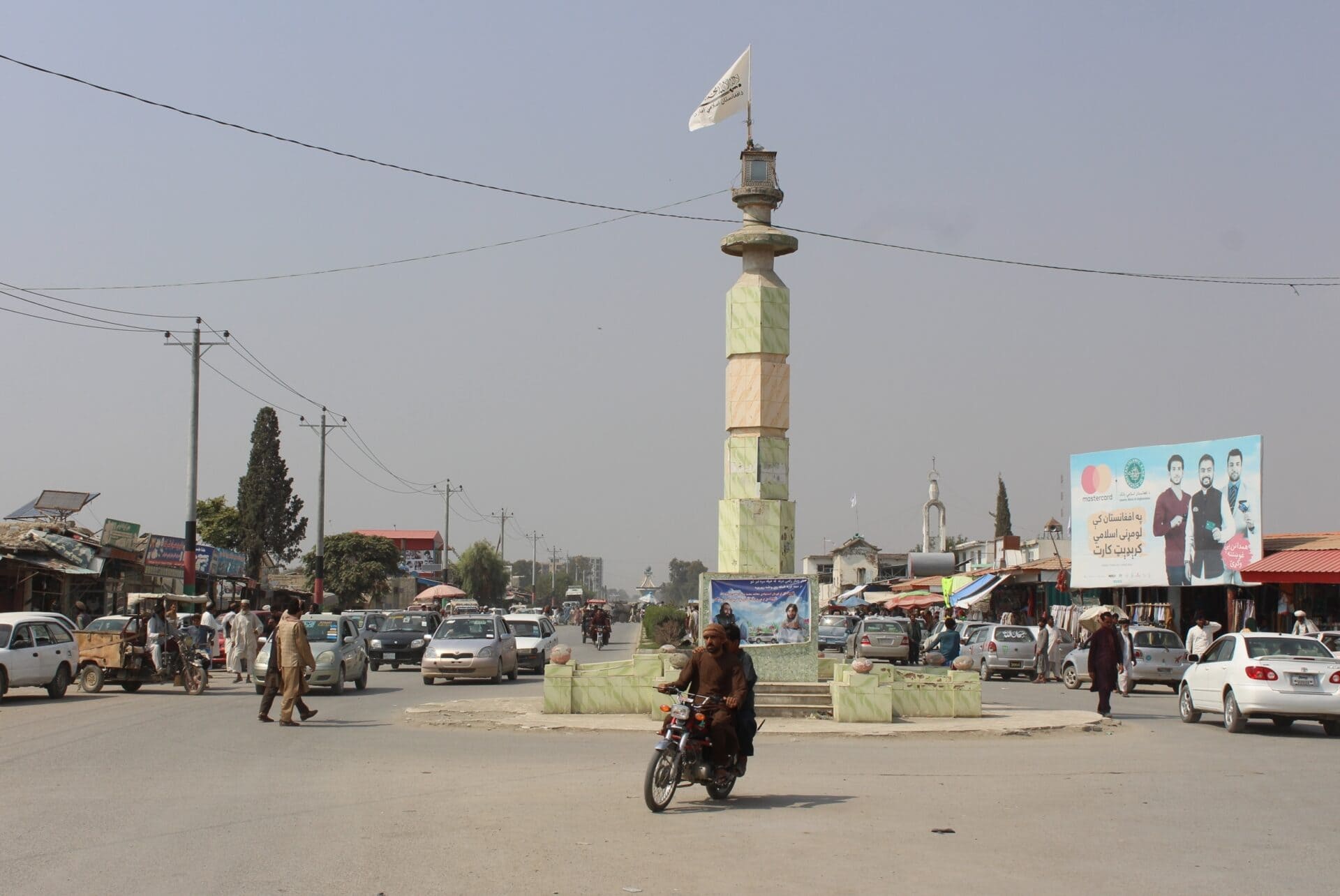
There are many lessons to be learned from the U.S. withdrawal of military forces that concluded 20 years of American presence in Afghanistan. The swift evacuation process contributed to the deaths of 13 American servicemembers and hundreds of Afghan civilians, and the withdrawal unintentionally played a role in shaping a power vacuum that Taliban insurgents and terrorist actors such as the Islamic State Khorasan (ISIS-K) exploited to sow seeds of insecurity. While Washington's attention has largely shifted away from Afghanistan, it remains vital to draw lessons from both the execution and long standing implications of the withdrawal. The Post Withdrawal Afghanistan Project seeks to foster thought leadership and expertise, generating analyses about the tactical, operational, and strategic elements that played a role in the U.S. withdrawal process, as well as the existing reality in a Taliban controlled Afghanistan.
Why Afghanistan Still Matters
Particularly as the U.S. considers pulling its presence from the Middle East, it is important to comparatively assess the lessons learned, indirect costs, and current state of play within Afghanistan’s post withdrawal security landscape. The question remains urgent: how can the U.S. avert the same mistakes it made during its Afghanistan withdrawal process? Understanding what went wrong and why is essential to informing future drawdown decisions.
Expertise and Analysis
Drawing from experts with extensive experience navigating the withdrawal and post withdrawal process in Afghanistan, this project generates reports, articles, podcasts, and events about lessons learned and future policy approaches. By examining both the execution of the withdrawal and its lasting implications, the project offers policymakers actionable insights for responsible military transitions elsewhere.