Intent to Destroy: Confronting Russia’s Campaign to Erase Ukraine and Its People
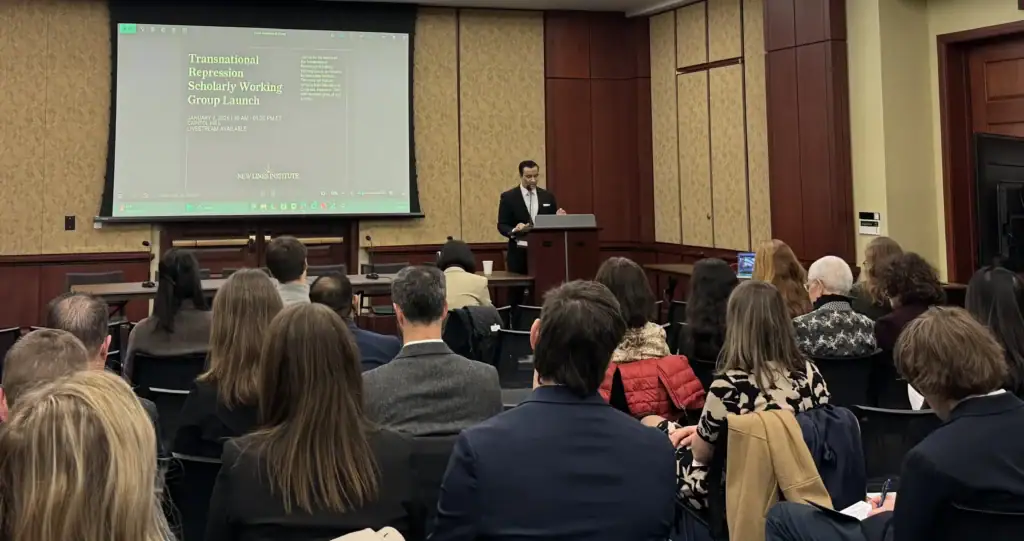
In November 2025, New Lines Institute for Strategy and Policy, IPHR, the International Human Rights Clinic at Harvard Law School, the Georgetown Institute for Women, Peace and Security (GIWPS), and the Atlantic Council’s Strategic Litigation Project hosted a conference, “Intent to Destroy: Confronting Russia’s Campaign to Erase Ukraine and Its People,” that examined Russia’s escalating atrocities and rhetoric in Ukraine through the lens of genocide and offered specific legal, political, and security strategies to stop the Kremlin’s campaign to destroy the Ukrainian people. Participating experts reached a clear consensus: Russia’s war against Ukraine is genocidal in intent, design, and execution. This white paper provides a roadmap for stopping it.
The report includes recommendations for concrete action alongside a comprehensive summary of experts’ interventions during the conference.
It addresses four main avenues for action:
Legal Action
Genocide thrives under impunity. Historical patterns of unaddressed violence demonstrate that past impunity for Russia’s abuse has paved the way for today’s tragedy. To stop ongoing atrocities and secure justice and accountability, legal action should:
- Strengthen cooperation with the International Criminal Court to prosecute high-level perpetrators for war crimes, crimes against humanity, and genocide
- Support the Special Tribunal for the Crime of Aggression to hold Russian leadership accountable for launching an illegal war of aggression
- Expand universal jurisdiction in national courts worldwide to target mid- and lower-level perpetrators and ensure there are no safe havens for war criminals and genocidaires
Political Action
Territorial concessions will only embolden Russia’s genocidal aims. The war’s outcome has global implications; failing to stop genocide in Ukraine could validate aggressors worldwide and undermine global security. Accordingly, political actors should:
- Reject peace agreements that require and legitimize Ukrainian territorial concessions
- Coordinate messaging across allies to confront Russia’s actions as genocide, thus strengthening global resolve and diplomatic pressure
- Enforce sanctions against Russia’s war economy, enablers, and evasion networks
- Accelerate Europe’s energy independence from Russia
- Link legal accountability with political deterrence to prevent further atrocities
Security Action
Russia’s military strategy deliberately targets civilians and civilian infrastructure, and incremental Western support has prolonged a war of attrition favorable to the Kremlin. Support for Ukraine’s military capacity is essential to prevent further atrocities. Stakeholders should:
- Scale up NATO defense production and supply Ukraine with advanced weaponry
- Allow Ukraine to use long-range weapons for deep-strike operations in Russia to degrade its war capacity
- Implement coalition air-defense systems to protect Ukrainian civilians
- Support Ukraine’s NATO membership trajectory, complemented by interim Article 5-style bilateral guarantees from the U.S. and other allies
- Strengthen technology alliances to counter authoritarian influence and diversion of critical Western technology to Russia
Humanitarian action
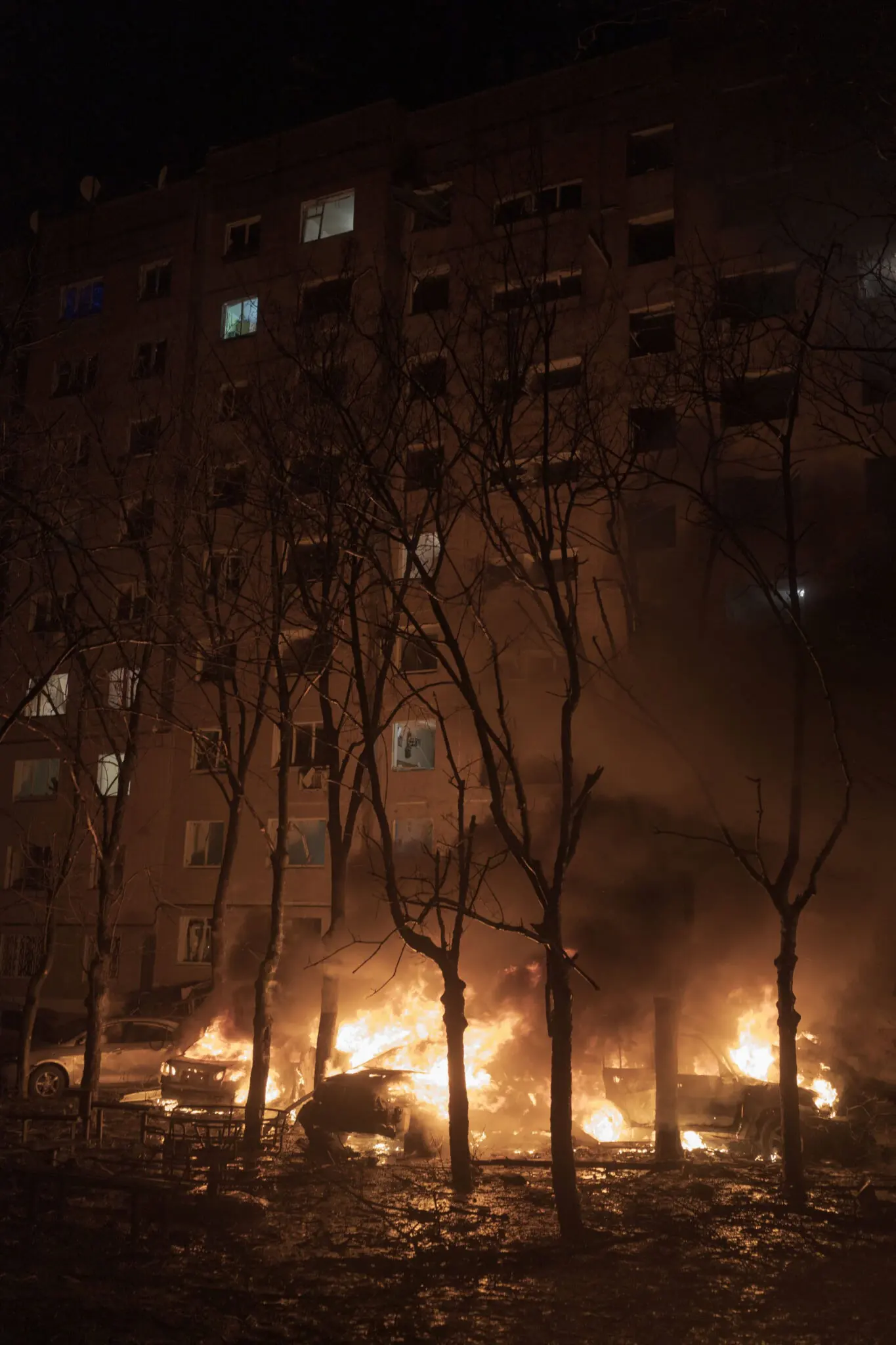
Russia’s invasion of Ukraine has created Europe’s most destructive atrocity crisis since World War II, including widespread child abductions, torture, sexual violence, displacement, and destruction of civilian infrastructure. Repairing this harm will require long-term, coordinated efforts and a survivor-centered approach:
- Establish an international mechanism to track, retrieve, and reintegrate abducted children
- Expand cross-border data-sharing and case documentation for future prosecutions and reparations
- Pressure Russia for the unconditional return of children, hostages, and prisoners of war
- Scale trauma-informed care and community reintegration programs for survivors
- Use frozen Russian assets to fund reparations and reconstruction, matching damages that exceed $1 trillion
The white paper offers actionable takeaways and steps forward to advance accountability for Russia’s atrocities as the core of a just and lasting peace in Ukraine and the broader region.
The views expressed in this article are those of the author and not an official policy or position of New Lines Institute.
Photo: Vehicles burn in the aftermath of Russian destruction caused by two KAB bombs in the city of Kramatorsk, Donetsk Region, Ukraine on Feb. 8, 2026. (Photo by Jose Colon/Anadolu via Getty Images)