New U.S.-backed ‘Silk Seven Plus’ Initiative Aiming to Reshape Eurasian Trade and Offer a Strategic Alternative to China
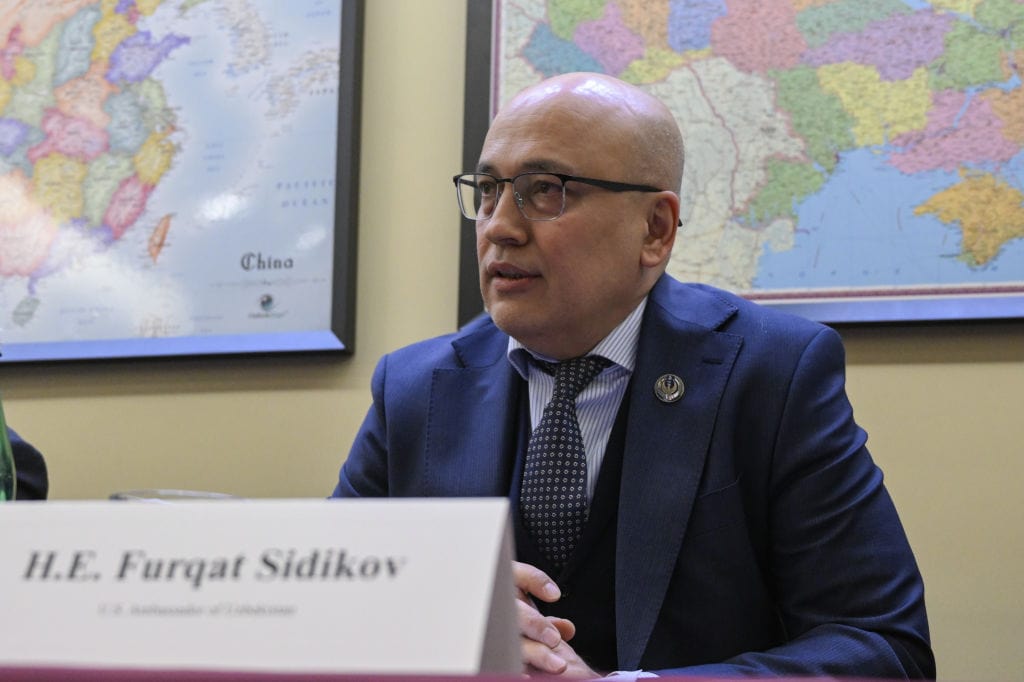
Washington, D.C., April 20, 2026 – At a moment of intensifying geopolitical competition, supply chain disruption, and growing concern over economic coercion, New Lines Institute for Strategy and Policy will launch the Silk Seven Plus(S7+) initiative on Capitol Hill. This ambitious new framework will deepen regional integration across Central and South Asia while expanding connectivity to global markets.
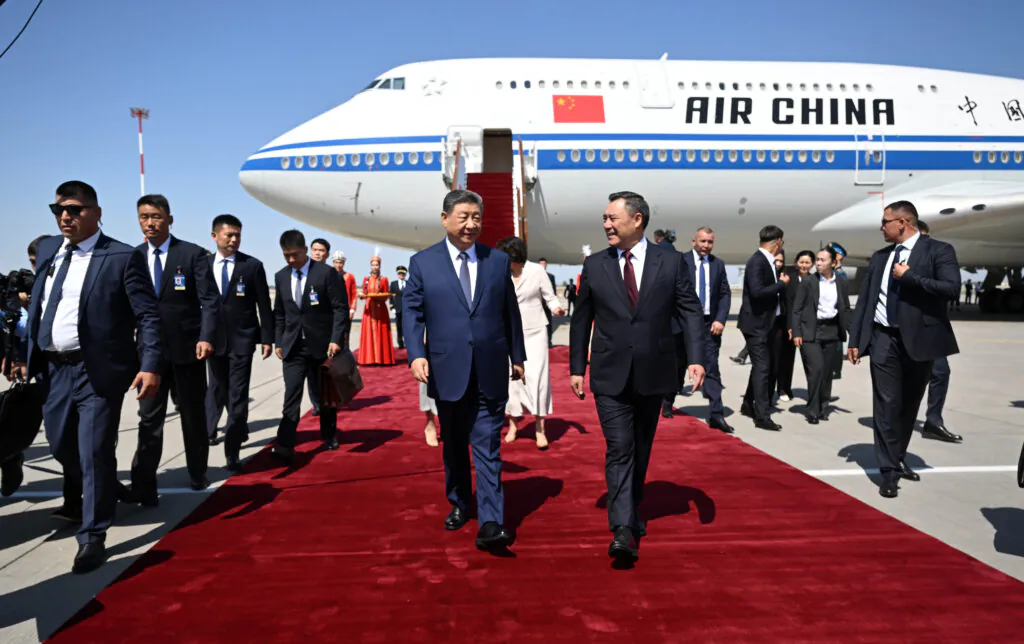
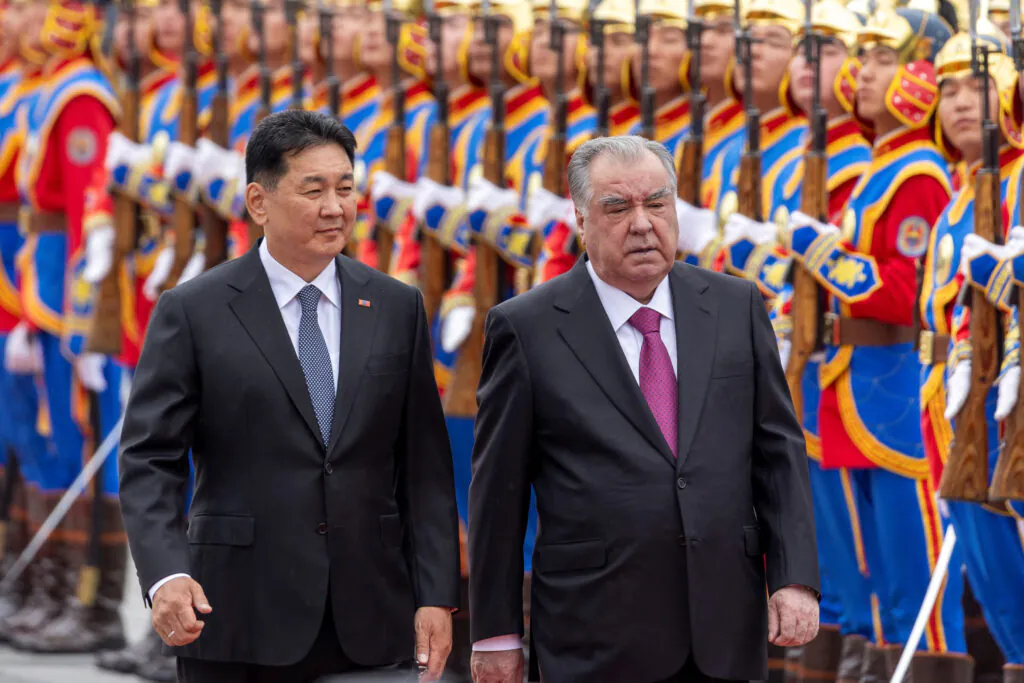
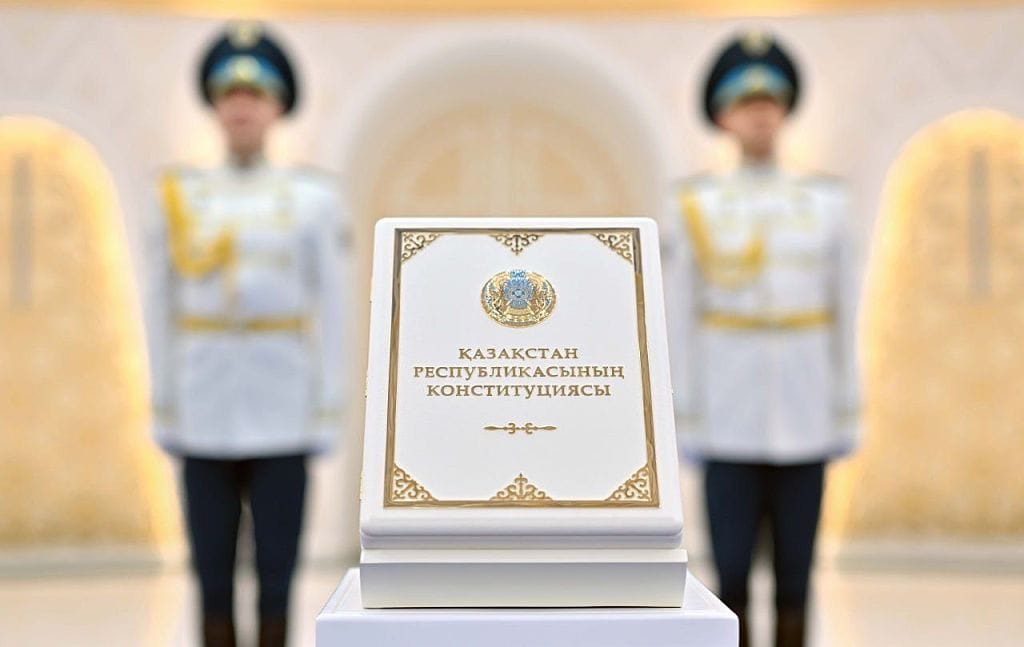
Bringing together Kazakhstan, Uzbekistan, Turkmenistan, Kyrgyzstan, Tajikistan, Afghanistan, and Pakistan with Azerbaijan, S7+ is designed to unlock one of the world’s most strategically significant but under-integrated regions. The initiative focuses on strengthening regional cooperation to address shared challenges including water scarcity, energy deficits, and limited market access while building new trade corridors that connect the region to Europe, the Middle East, and the Indo-Pacific.
At its core, S7+ reflects a growing recognition in Washington and allied policy circles that Central Asia sits at the crossroads of global competition. The region holds vast reserves of critical minerals, occupies key transit routes between East and West, and remains heavily exposed to external leverage through existing infrastructure and trade dependencies. By advancing coordinated regional frameworks and diversified connectivity, S7+ aims to support more resilient supply chains and broaden economic partnerships beyond any single external actor. The initiative is supported by current and former senior members of the U.S. administration and policy community, reflecting rising interest in the region’s strategic importance.
A central pillar of the initiative is the development of viable transit corridors linking Central Asia to global markets, including southern routes through Afghanistan and Pakistan to the Arabian Sea, as well as the Trans-Caspian corridor via Azerbaijan. In doing so, S7+ reframes Afghanistan not solely as a security challenge but as a potential economic connector critical to regional integration and long-term stability.
The initiative draws lessons from the European Coal and Steel Community, demonstrating how functional economic cooperation can serve as the foundation for broader regional alignment. Through a phased and practical approach, S7+ will explore mechanisms such as coordinated infrastructure planning, energy integration, and trade facilitation to strengthen regional ties and external connectivity.
The Capitol Hill launch will feature remarks from members of the U.S. Congress, Senate, and senior policy leaders, underscoring the growing interest in strengthening U.S. engagement with Central Asia through economic and strategic partnerships.
U.S. Sen. Steve Daines (R-Montana) said: “Central Asia is a strategically critical region, and I am pleased the Trump Administration has taken important steps to deepen the relationship between America and Kazakhstan, Kyrgyzstan, Tajikistan, Turkmenistan, and Uzbekistan. I have recently traveled to all five Central Asian countries and have a deep appreciation for our mutual goals, including increased trade and national security. In addition, repealing the outdated Jackson-Vanik trade restrictions is a top priority of mine in the Senate, and I will continue to work with my colleagues on ways to unleash the full potential of American relationships with Central Asia.”
Del. James Moylan (R-Guam) said:“S7+ represents the kind of forward-looking regional cooperation that strengthens both economic resilience and sovereignty across Central and South Asia. By supporting diversified trade routes, energy collaboration, and infrastructure development, this initiative helps reduce overreliance on any single external actor while opening new opportunities for growth. For the United States, deeper engagement in this region is about building durable partnerships that advance stability, expand market access, and reinforce a free and open international system.”
Ambassador (ret.) Richard E. Hoagland said: “When considering the role of the European Union in the S7+ countries, it’s actually individual EU countries that are often more important to the host governments than the EU itself. This is especially true where individual European nations have significant financial investments, especially in extracting hydrocarbon resources.”
Ambassador (ret.) Robert F. Cekuta said: “Washington needs a new playbook for engaging the band of countries stretching from the Black Sea to China. Their energy, critical mineral, and other resources are increasingly important, and their location makes them factors in dealing with geostrategic moves by Russia, China, and Iran. We cannot pretend our old ways are adequate. The launch of Silk Seven Plus Initiative this month is important to helping to make this change happen.”
Dr. S. Frederick Starr said: “The Soviet definition of Central Asia was in frontal conflict with historical, cultural, social, and economic realities, but it has been slow in dying. Now, 20 years after the notion of a “Greater Central Asia” was first proposed as a better alternative, that broader perspective is finally making its way into U.S. strategy. This meeting celebrates the inevitable logic of a wider concept of the region and will pinpoint the economic and geopolitical benefits that will accrue from embracing it. No mere discussion of terminology, the expert speakers will review specific steps toward a new approach to Greater Central Asia and the concrete measures still needed to implant it fully into U.S. policy.”
Dr. Azeem Ibrahim OBE, Chief Strategy Officer at New Lines Institute, said:“S7+ is a recognition that the future of Eurasia will be shaped not by external powers alone but by the ability of regional states to cooperate, align interests, and build shared economic resilience. By creating practical pathways for integration – on trade, energy, and connectivity – we are helping unlock the region’s vast potential while offering a credible, sustainable alternative to existing dependency models. This is not about imposing a framework from outside but about supporting an equal partnership among countries that increasingly see their futures as interconnected. If successful, S7+ can redefine how the United States and its partners engage with one of the most strategically important regions in the world. New Lines Institute has taken the lead in developing this concept and framework, working to translate it into actionable policy.”
The S7+ initiative will convene leading experts to produce a series of policy reports outlining practical pathways for regional integration. These will include proposals for a joint water and energy framework, critical minerals coordination, and the development of modernized trade and transit corridors.
The project aims to bridge the gap between academic analysis and policymaking by delivering actionable recommendations to stakeholders in Washington, Europe, and across the region. It will also examine how existing trade frameworks can be updated to facilitate deeper economic engagement and reduce structural barriers to cooperation.
Following its Capitol Hill debut, the S7+ initiative will be introduced in key international capitals, including London and Brussels, as part of a broader effort to build transatlantic and regional support for a more connected and economically resilient Eurasia.
For more information, please visit: https://newlinesinstitute.org/workstream/silk-seven/
For media inquiries, contact Dr. Dania Arayssi at [email protected].
About New Lines Institute
New Lines Institute for Strategy and Policy is a Washington, D.C.-based think tank dedicated to enhancing U.S. foreign policy through a deeper understanding of geopolitics, regional dynamics, and global value systems.