The Elimination of the Women, Peace, and Security Implementation Capacity at the Department of State
Overview
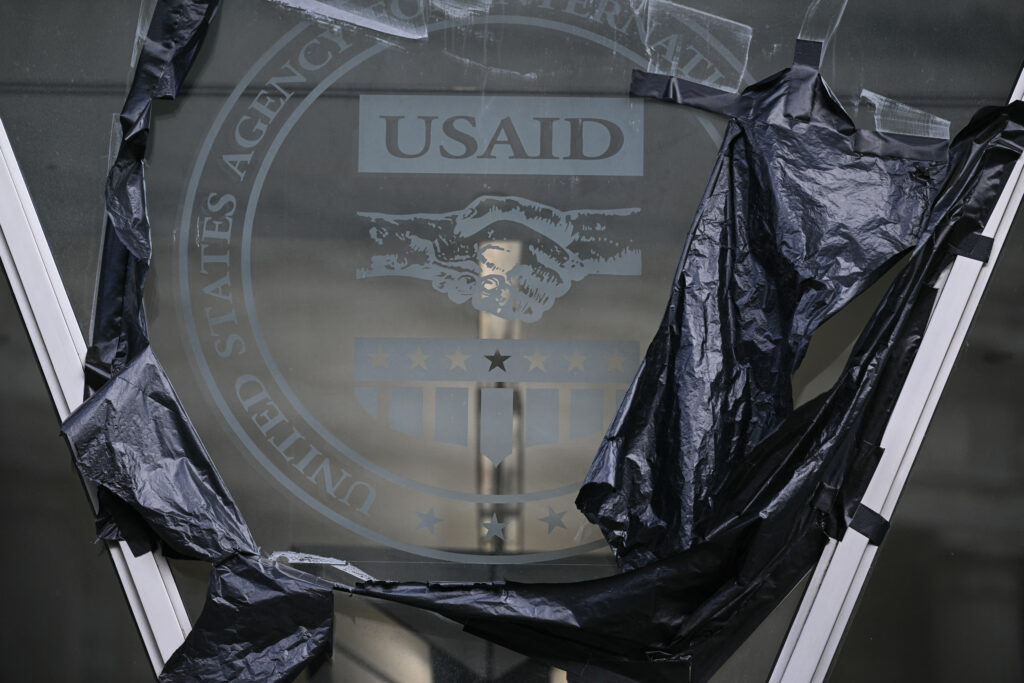
The Women, Peace and Security Act of 2017, a bipartisan congressional mandate that remains federal law, has been effectively nullified through systematic elimination of implementation capacity. Between January and July 2025, the State Department dismantled the Office of Global Women’s Issues, terminated over 65 expert staff, and suspended active WPS programs in more than 50 countries. This establishes a dangerous precedent of “impoundment by elimination,” where deliberately destroying institutional mechanisms makes executing legislated directives operationally impossible.
The WPS Framework and Institutional Loss
Women, Peace and Security is a conflict prevention framework supported by decades of empirical research demonstrating that including women in decision-making produces more durable outcomes. Peace agreements with women’s participation are 35 percent more likely to endure beyond 15 years. Gender-based violence is a more accurate predictor of political instability than conventional security indicators. The Office of Global Women’s Issues served as the coordinating hub for U.S. WPS implementation, and its elimination destroyed irreplaceable institutional capacity built over decades: regional expertise, relationships with civil society organizations, and specialized knowledge in early warning systems. Active programs have been canceled mid-implementation and interagency mechanisms dissolved.
Constitutional Crisis and Democratic Backsliding
The WPS Act remains law, yet implementation has become operationally impossible through administrative nullification. Without designated implementers, available funds remain unspent through eliminating those who could obligate resources. The mandated report to Congress was not produced, thus providing a blueprint for nullifying any congressional mandate. The current handling of requirements of the WPS act by the Trump Administration draws parallels to authoritarian patterns: career experts removed and replaced with loyal appointees, evidence-based policy recast as ideology, and offices dedicated to marginalized groups dissolved. Analysts who previously documented democratic backsliding abroad now observe similar dynamics domestically.
Strategic Competition and Alliance Erosion
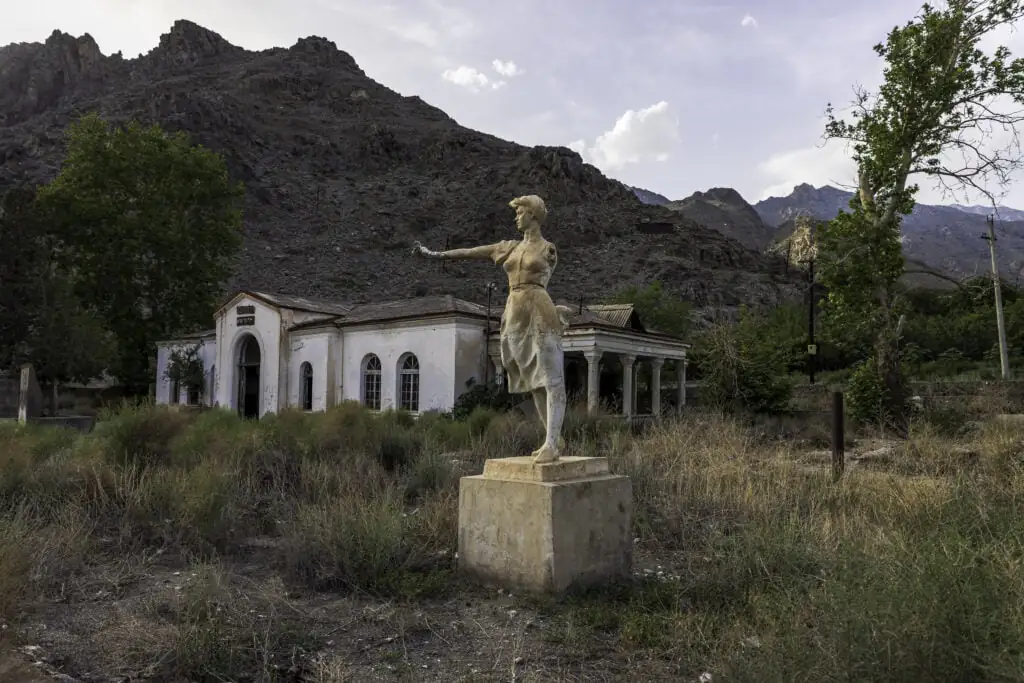
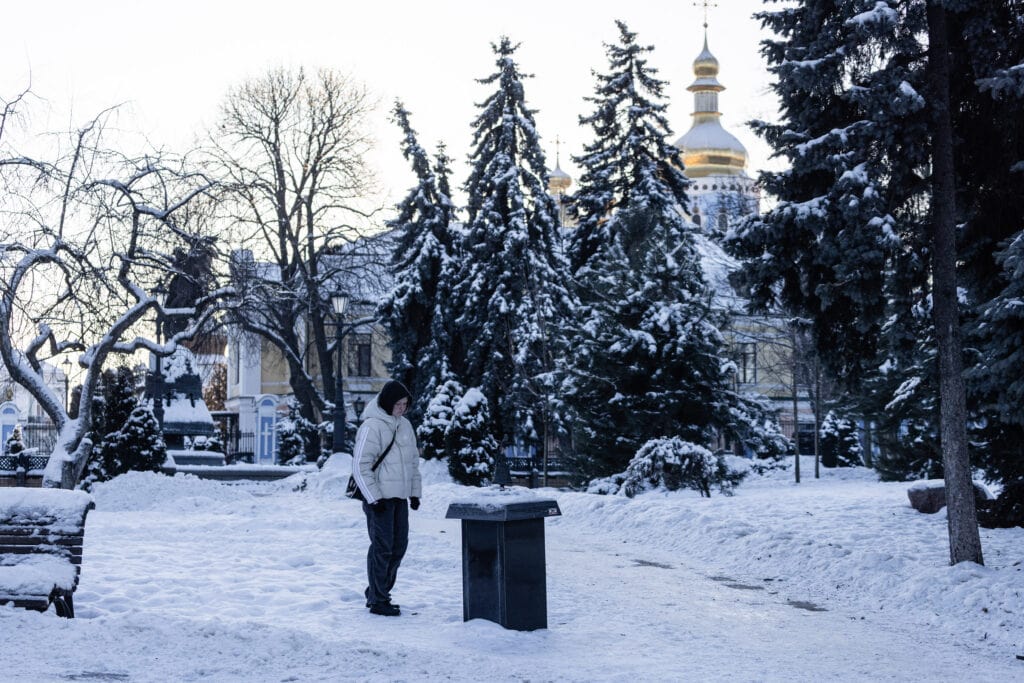
Eliminating WPS capacity undermines strategic competition when gender-informed analysis is central to understanding authoritarian expansion. China’s campaign against Uyghur women and Russia’s weaponization of sexual violence in Ukraine illustrate how adversaries deploy gender-based oppression as geopolitical strategy. NATO allies and other partners that embedded WPS into their operations now lack reliable U.S. coordination. China and Russia have moved to occupy this space, building partnerships without human rights standards. The vacuum extends to specific theaters including the DRC, Haiti, Sudan, and the Pacific, where U.S. engagement has evaporated as China expands influence. [1]
Fiscal Illusions and Policy Contradictions
Eliminating the Office yields $15 million in annual savings, but conflict-prevention research demonstrates this capacity helps avert escalations requiring billions in intervention costs. Each military intervention costs $2 to $4 billion annually minimum. Most paradoxically, these actions undermine stated border security priorities by eliminating tools addressing why people migrate. Root causes of displacement include gender-based violence and economic insecurity exacerbated by women’s exclusion. The administration has adopted a purely reactive enforcement approach documented as both more expensive and less effective than addressing root causes.
Policy Recommendations
The views expressed in this article are those of the author and not an official policy or position of New Lines Institute.
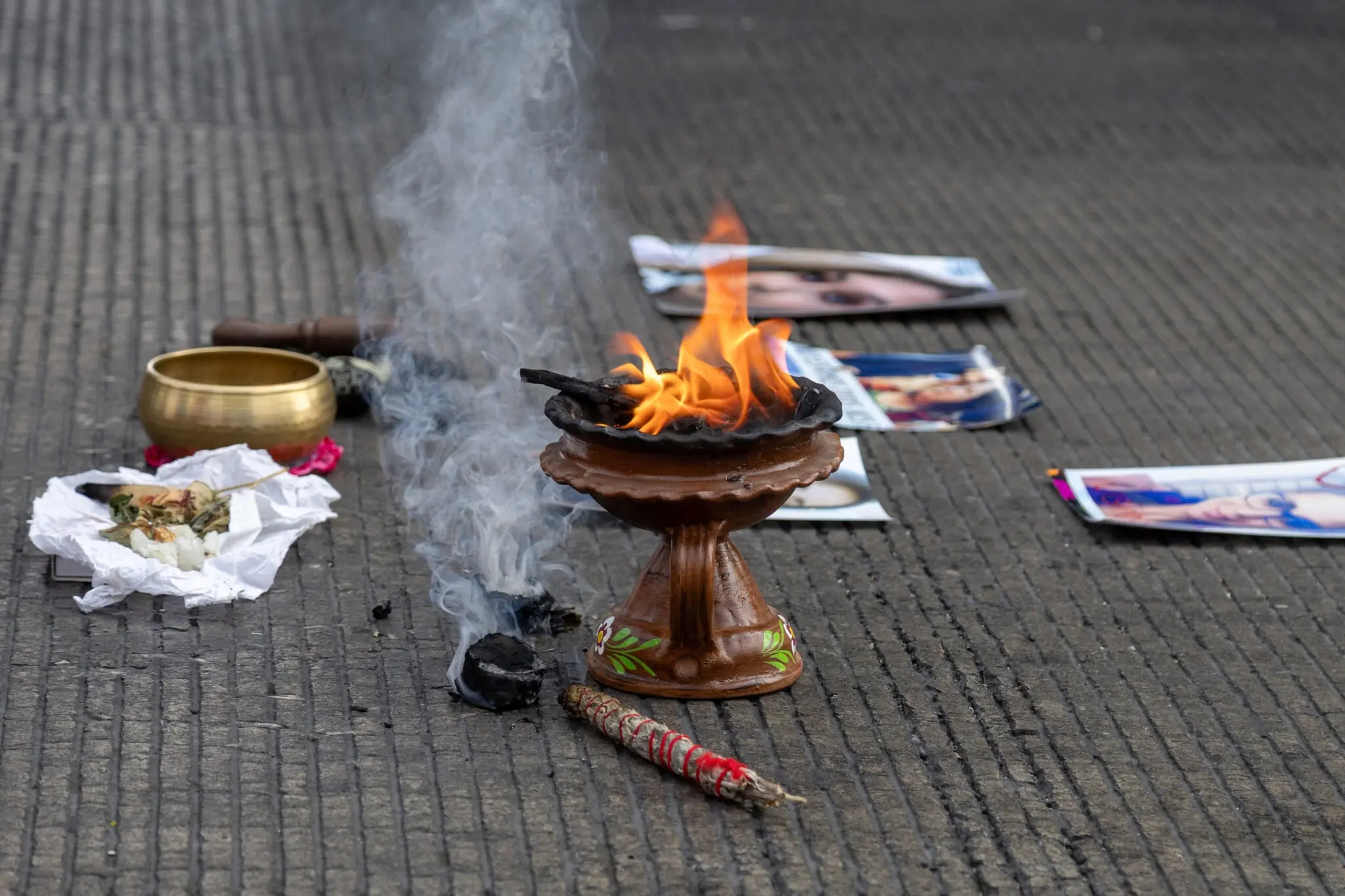
Photo: A makeshift altar with photos of femicide victims is seen during a march on the International Day for the Elimination of Violence against Women in Mexico City on Nov 25, 2025. (Photo by Franyeli Garcia / AFP via Getty Images)