
The Sahel Project
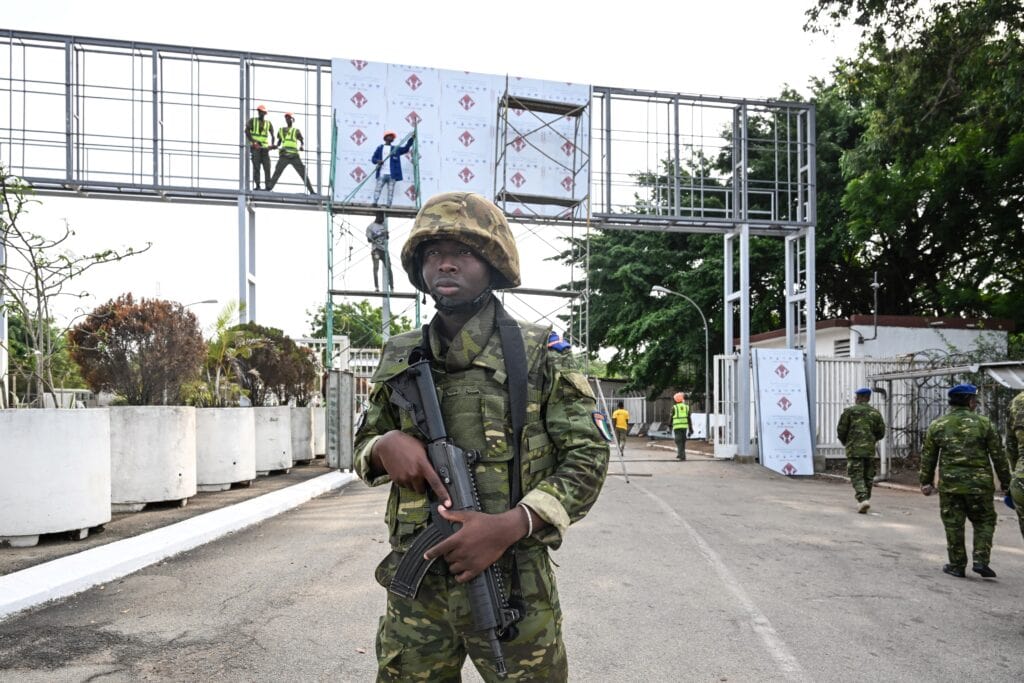
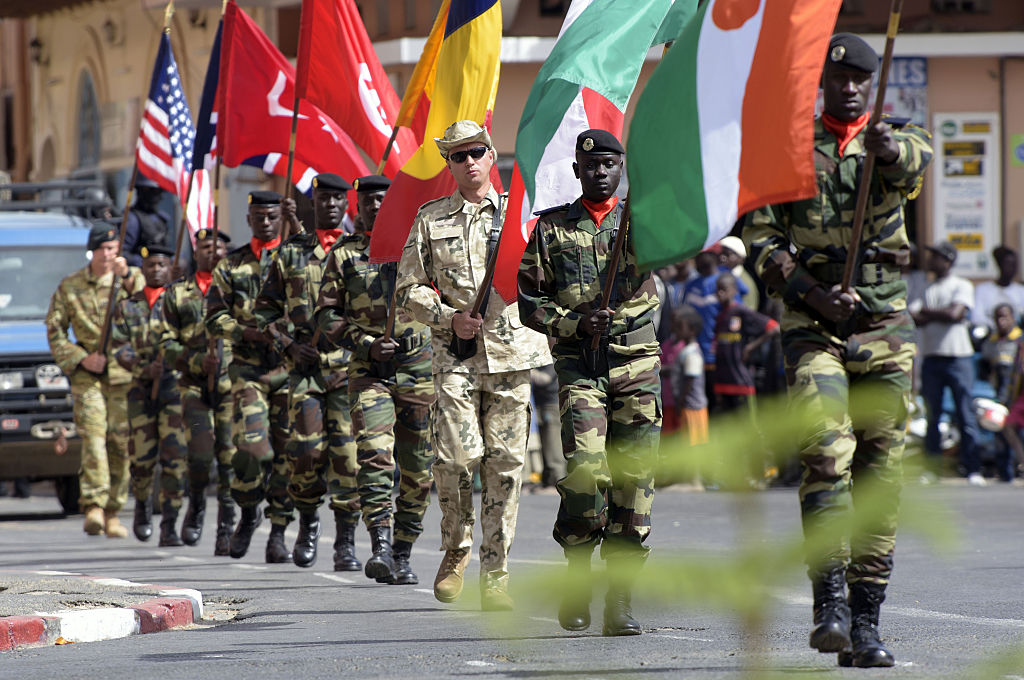
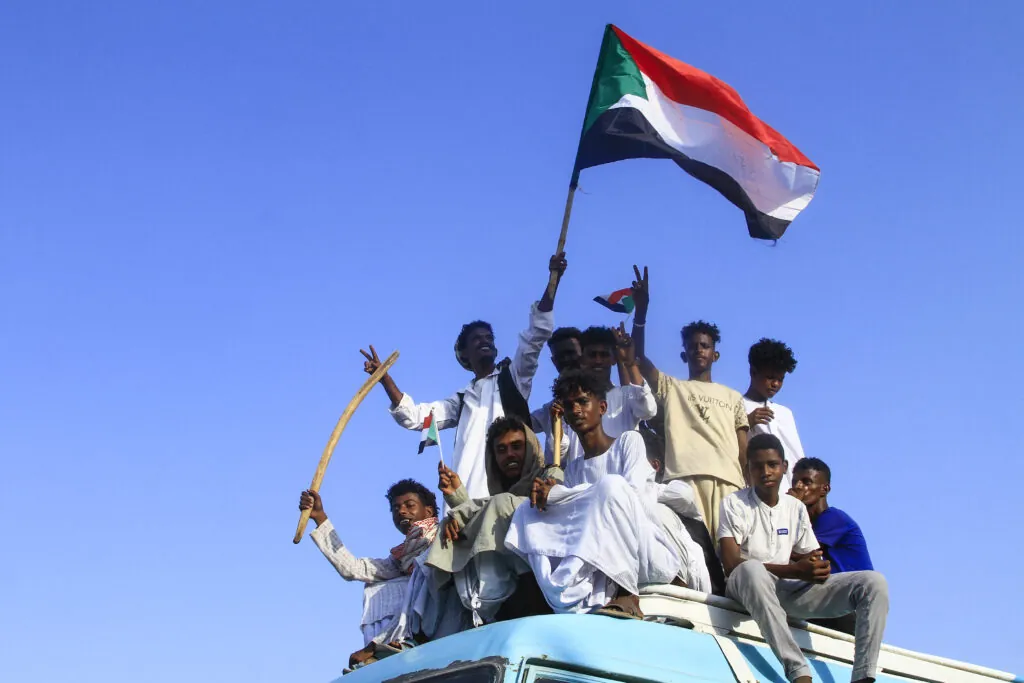
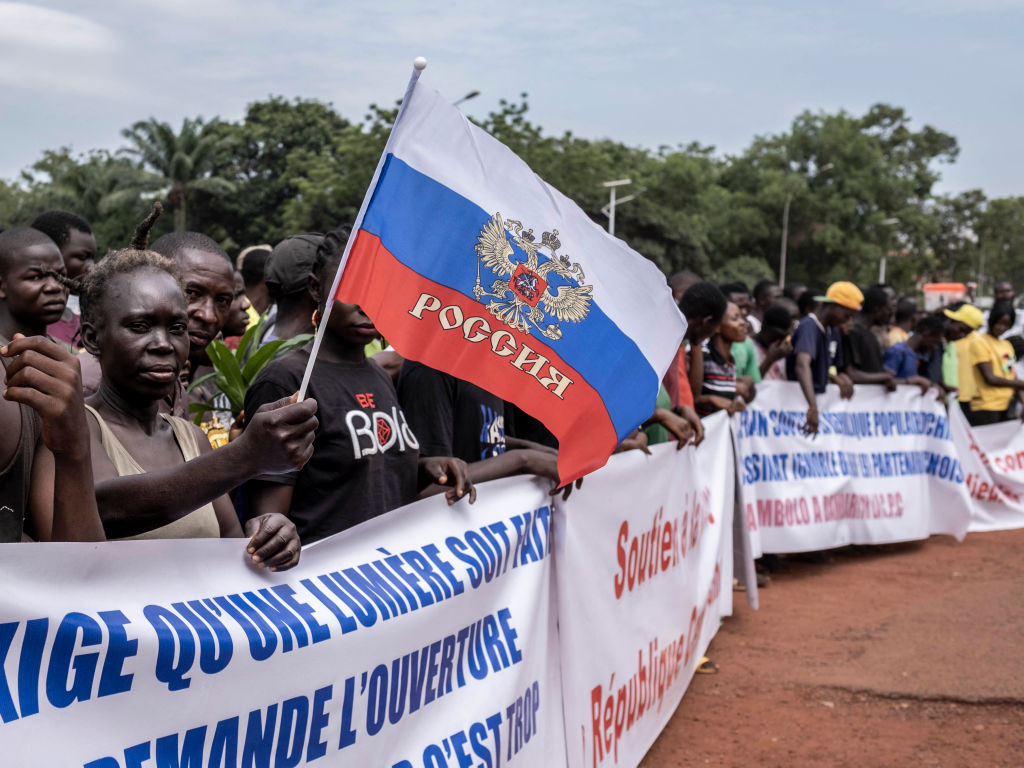
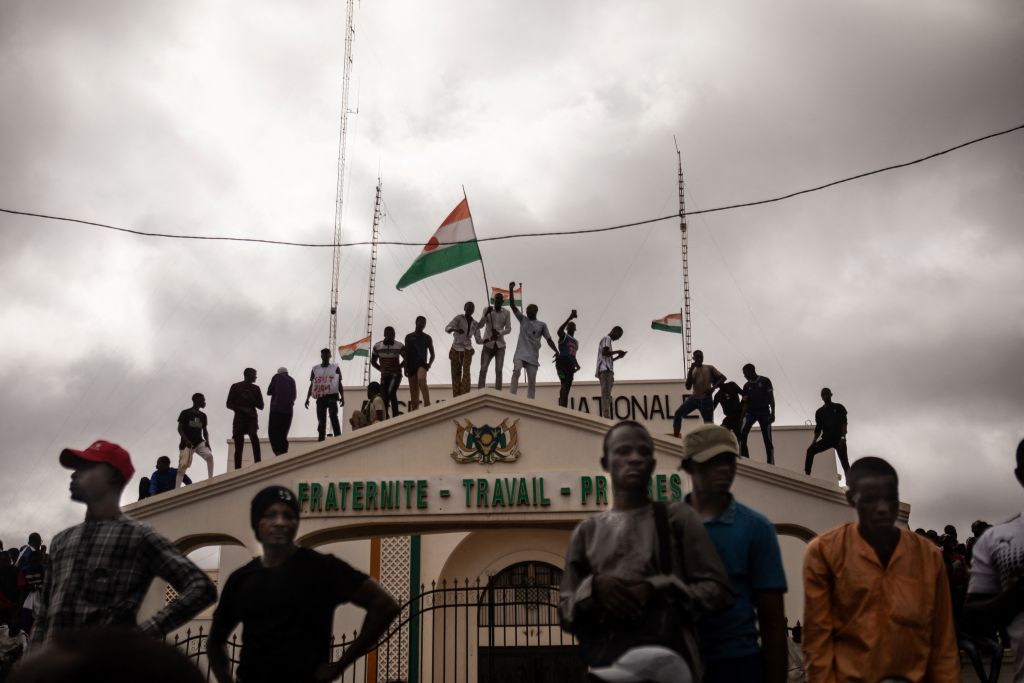
In 2023 and 2024, French, German, and U.S. forces conducted departures from positions in the Sahel region, leaving countries like Mali, Burkina Faso, and Niger to inherit existing counterterrorism operations. The departures followed a series of coups d'état and military juntas, a steady rise in anti Western sentiment, and an uptick in Russian influence among regional actors. The Post Withdrawal Sahel Project seeks to foster thought leadership and expertise, generating analyses about the tactical, operational, and strategic elements that played a role in the withdrawal of French, German, and American forces, as well as the existing reality in the Sahel's security landscape. Drawing from experts with extensive experience in Sahel defense and security, this project generates reports, articles, podcasts, and events about lessons learned and future policy approaches.
Shifting Security Landscape
In the vacuum of German and French presence, actors like Russia will seek to fill some of the void. Africa Corps forces have already occupied former German and French military facilities. Italy’s bilateral support mission has also filled some of this gap, though their prolonged presence is tentative. Within this new security landscape, questions arise about how local forces, many of which are under equipped, under manned, and under resourced, can uphold security and stability amid contestation from rebel and terrorist groups such as al Qaeda allied Jama’at Nusrat al Islam wal Muslimin and the Islamic State in the Greater Sahara.
Lessons for Future Withdrawals
The Sahel withdrawals offer a critical case study for understanding how military departures can reshape regional security dynamics. By examining the circumstances that led to these withdrawals and their aftermath, the project provides policymakers with insights on managing similar transitions, anticipating adversarial responses, and supporting local partners in maintaining stability after Western forces depart.