Saudi Arabia and the Gulf
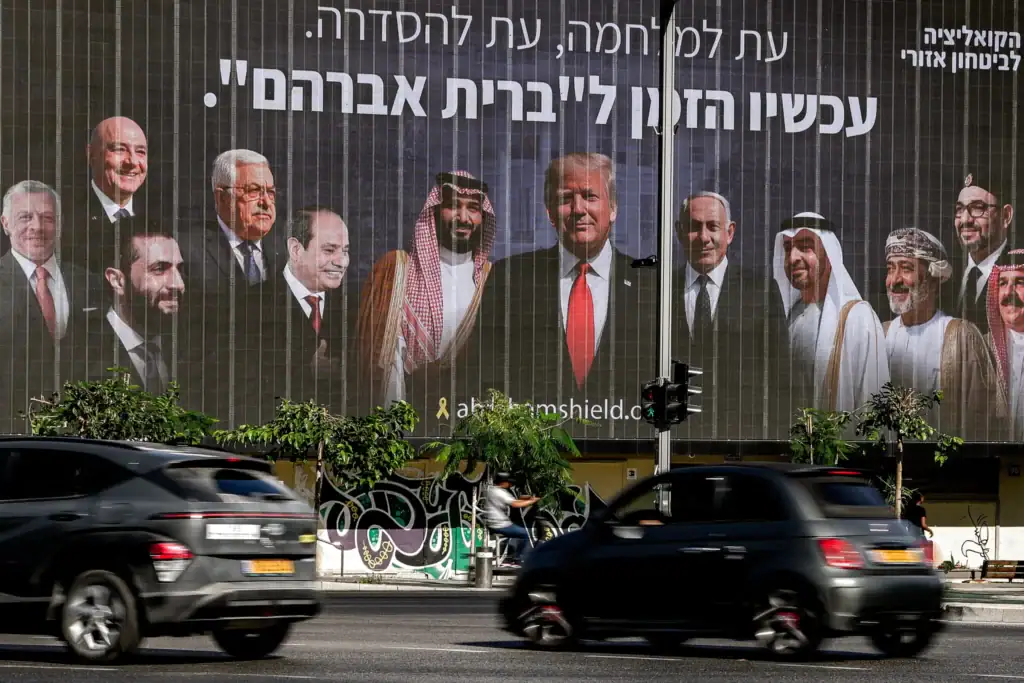
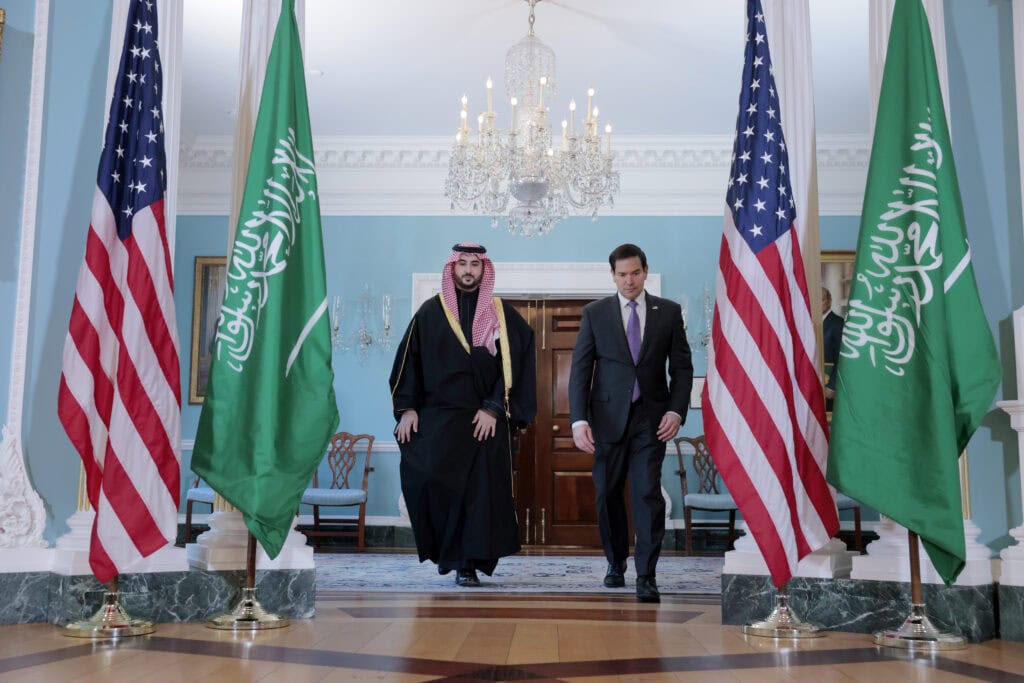
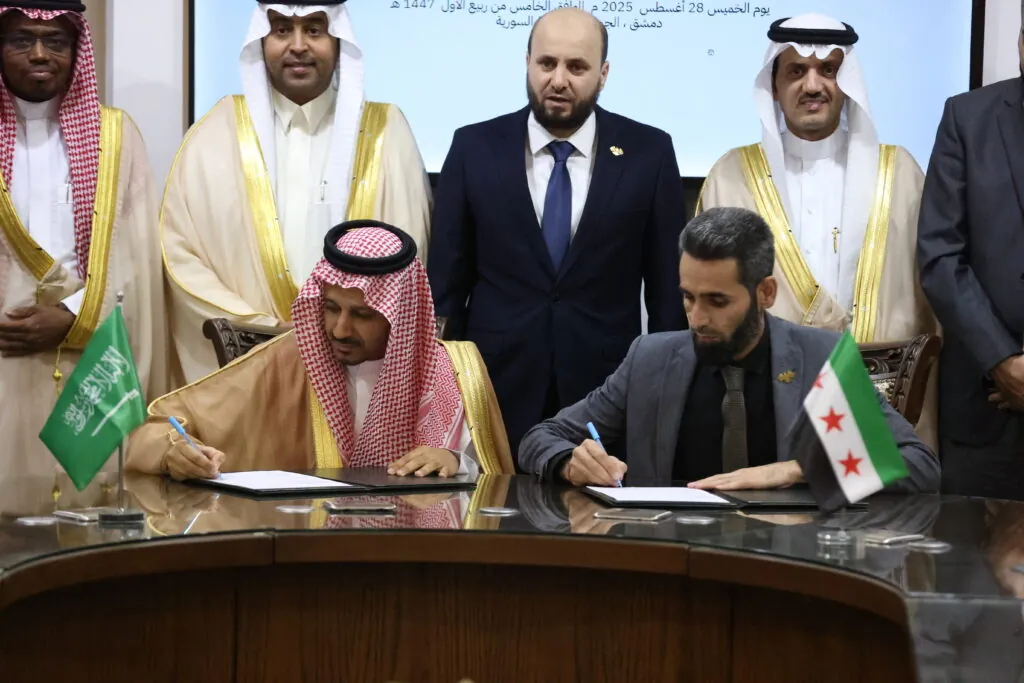
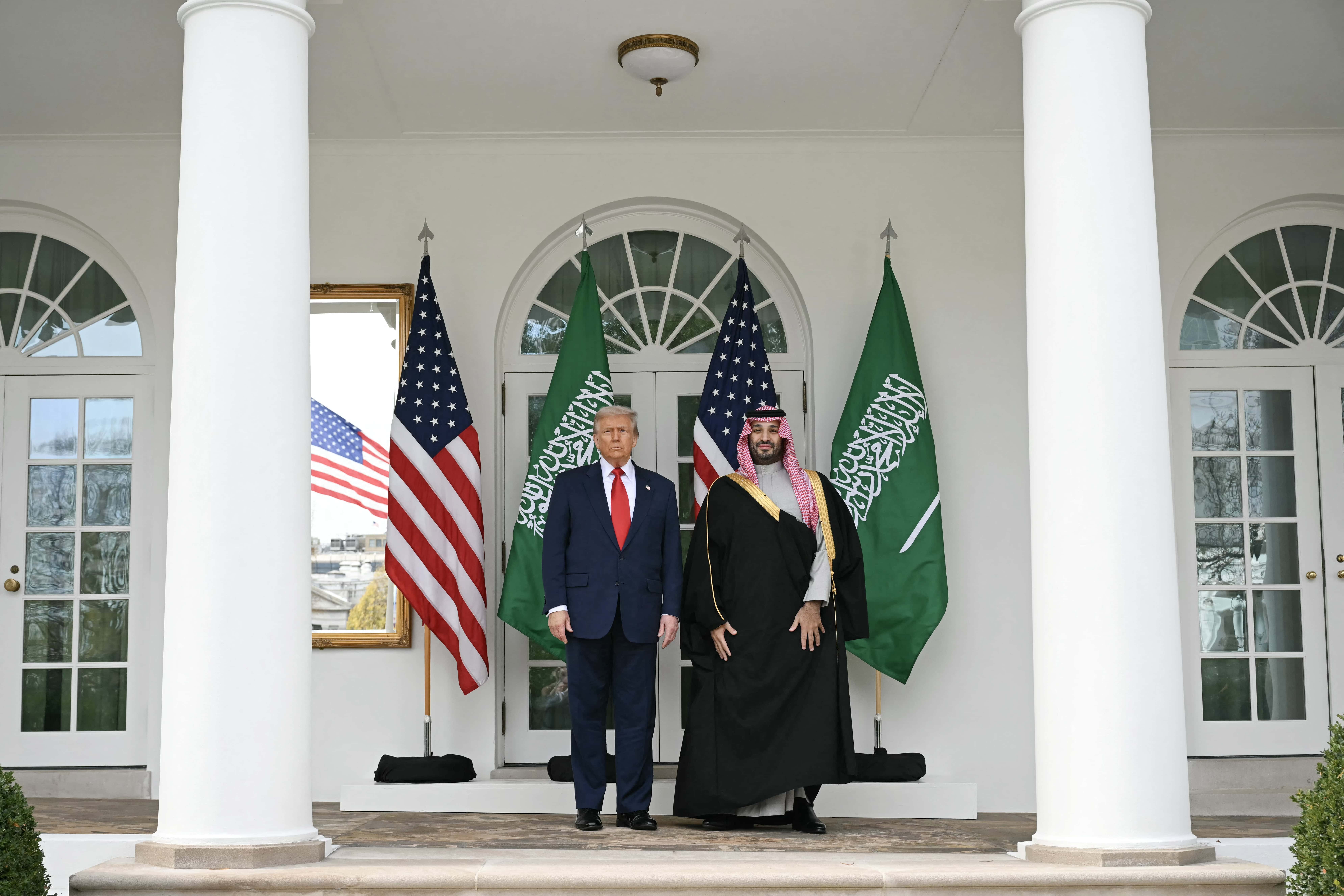
The Saudi Arabia and the Gulf project focuses on the intersection of economics, soft power, and regional relationships through the lens of U.S. policy enrichment. The Gulf states have emerged as central hubs of commerce, technology, and innovation, forging relationships that extend their influence across multiple continents. As the birthplace and heartland of Islam and home to multiple geopolitically rising powers, the Gulf occupies a unique position in global affairs. Understanding the strategic ambitions, economic transformations, and regional dynamics of these peninsular nations is essential for crafting effective U.S. policy in the Middle East.
Economic Transformation and Soft Power
Gulf states are pursuing ambitious economic diversification strategies that reshape their role in the global economy and expand their soft power reach. Sovereign wealth funds, strategic investments in technology and entertainment, and efforts to position cities as global business and tourism destinations all reflect a broader reorientation away from hydrocarbon dependence. The project analyzes how these economic transformations influence regional and global relationships, examining where Gulf ambitions align with or diverge from U.S. interests.
Regional Dynamics and U.S. Policy
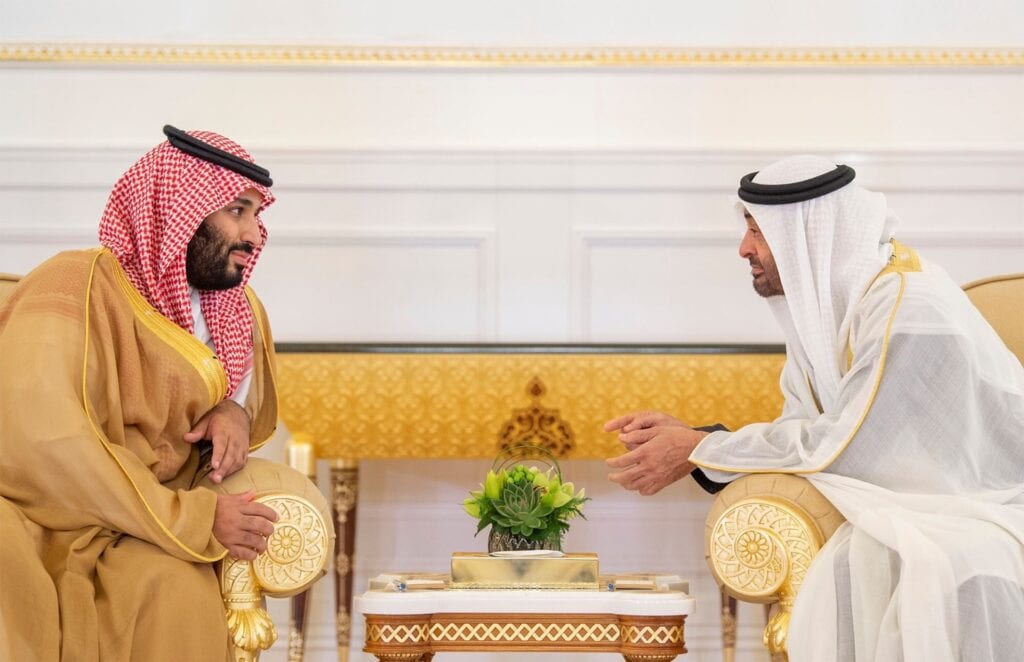
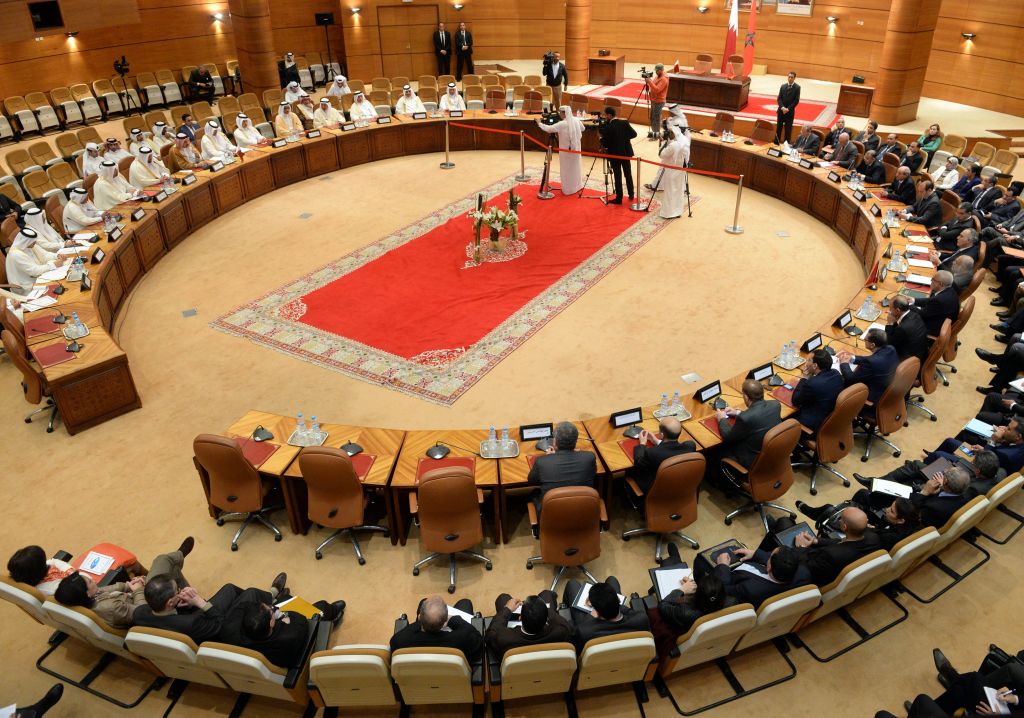
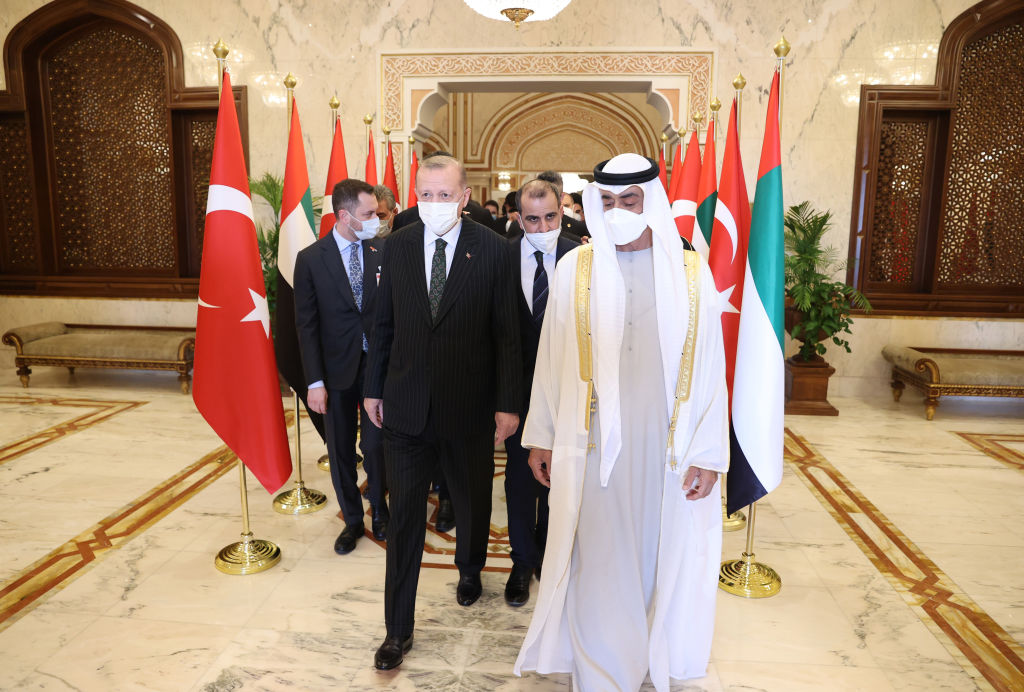
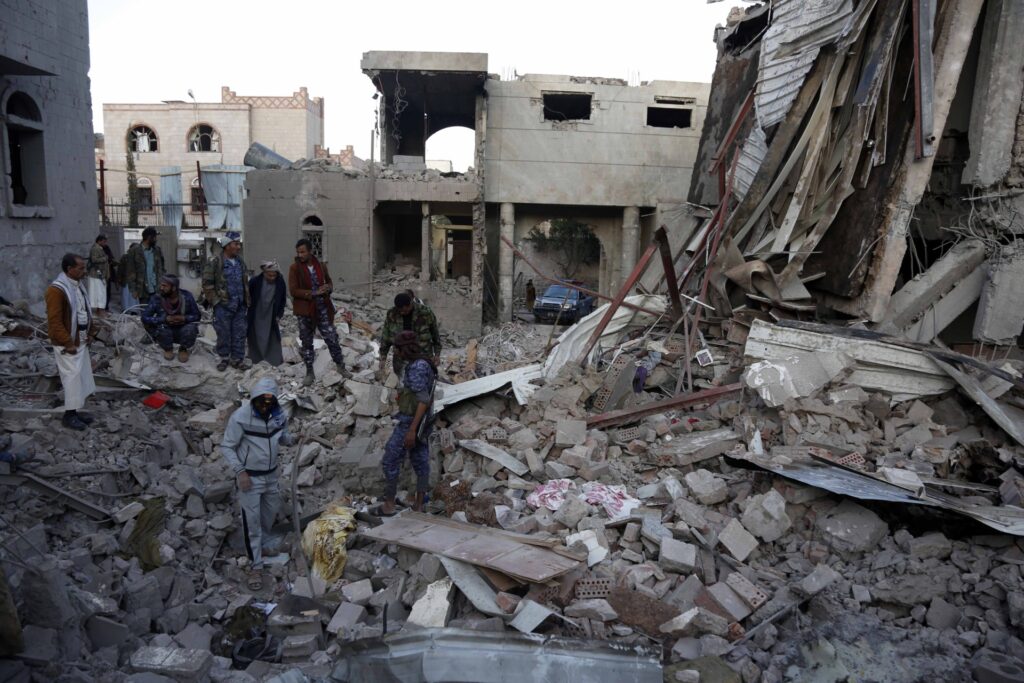
The Gulf’s regional relationships carry significant implications for U.S. strategy in the Middle East. The project examines how Gulf states navigate their relationships with neighbors, competitors, and external powers, and how these dynamics affect issues from energy security to counterterrorism cooperation. By providing rigorous analysis of the factors shaping Gulf foreign policy, the project supports U.S. policymakers in developing engagement strategies calibrated to the political realities and strategic interests of these influential regional actors.