Israel-Palestine
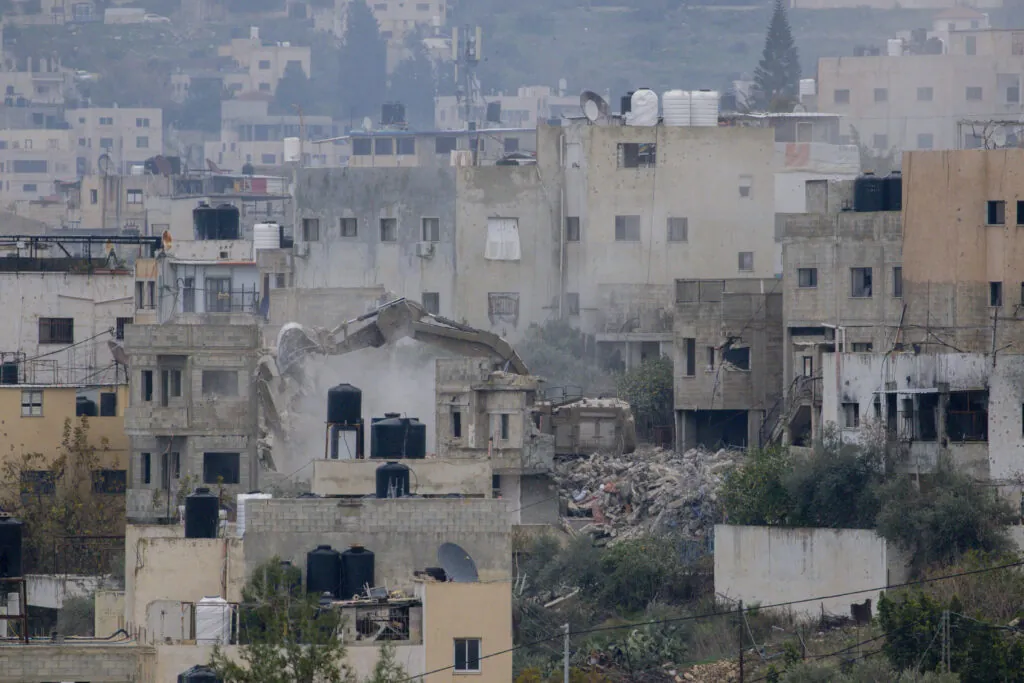
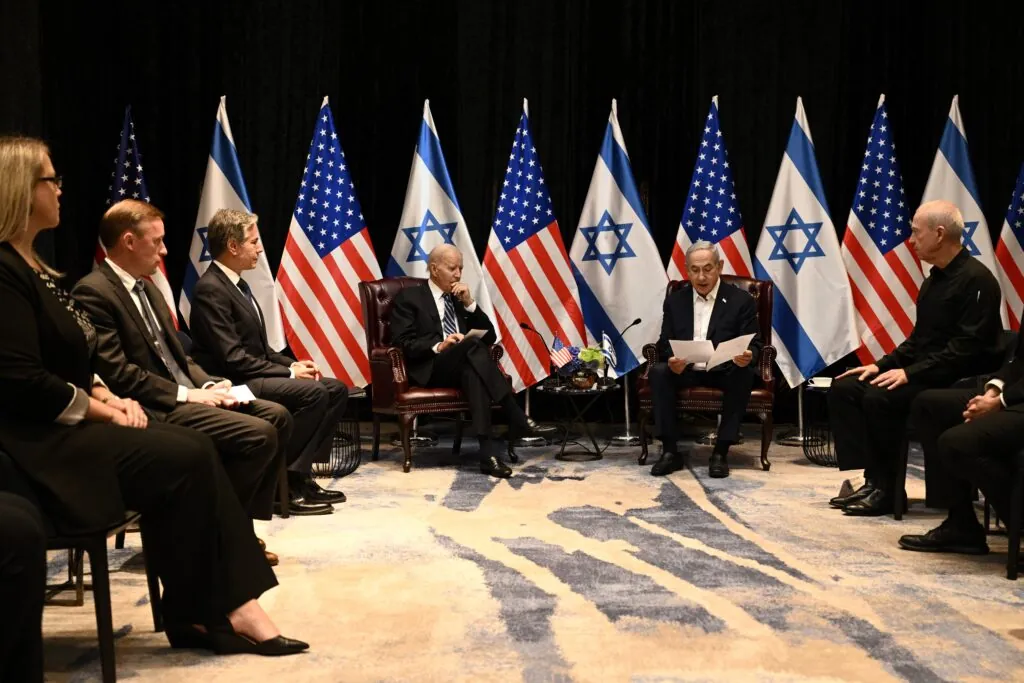
The Israel Palestine project forces fresh thinking on one of the world's longest running and most tragic conflicts, which has been a central pillar of U.S. foreign policy in the Middle East. Decades of diplomatic initiatives have failed to produce a durable resolution, and the political, demographic, and security landscape continues to evolve in ways that demand updated analytical frameworks. By producing rigorous and comprehensive analysis, the project provides policymakers with forward looking policy recommendations and disruptive ideas that move past previous approaches to the Israeli Palestinian conflict. This work challenges conventional assumptions and identifies pathways that account for current realities.
Beyond Stalled Frameworks
Previous attempts to resolve the Israeli-Palestinian conflict have largely relied on frameworks developed under conditions that no longer exist. Settlement expansion, shifting political coalitions, regional normalization processes, and changes in Palestinian governance have all transformed the landscape in which any future resolution must be negotiated. The project analyzes these developments, assessing how they constrain or enable different policy options. By grounding analysis in current conditions, the project equips policymakers with a clearer understanding of what remains possible and what requires fundamentally new approaches.
Disruptive Ideas for U.S. Policy Innovation
Progress requires willingness to move beyond incremental adjustments to failed strategies. This project generates innovative policy recommendations designed to disrupt stalemates and open new avenues for engagement. This includes examining alternative governance arrangements, economic integration models, security architectures, and diplomatic frameworks that depart from conventional approaches. By combining analytical rigor with creative policy thinking, this project offers U.S. policymakers options that reflect the urgency of the situation and the complexity of achieving durable outcomes.