


Legal Challenges and Opportunities in the 21st Century
From seizing Russian frozen assets to rebuilding Gaza, international law has reached a point never before seen in its history. Longstanding legal frameworks are being tested by unprecedented challenges, while new models and mechanisms are emerging to address gaps that traditional approaches have failed to close. The Legal Challenges and Opportunities workstream examines how international law is evolving in response to contemporary crises and where innovation is needed to ensure accountability, facilitate reconstruction, and protect democratic governance.
With the UN system under increasing strain, international law increasingly politicized, and mass atrocities rising globally, the workstream also assesses where international legal and institutional frameworks have succeeded, where they are failing, and how they must adapt to remain effective in the 21st century. Through rigorous legal analysis and policy research, the workstream explores new models for reparations arising from breaches of international law, frameworks for rebuilding conflict zones, the legal dimensions of democratic backsliding, and the evolution and erosion of international law in the context of atrocity prevention.
Reparations, Reconstruction, and Democratic Resilience
Traditional mechanisms for securing reparations from states that breach international law have proven slow, politically fraught, and often ineffective. The question of how to use frozen Russian sovereign assets to support Ukraine’s reconstruction has opened new legal terrain with implications far beyond this single conflict. The workstream examines emerging models for reparations and frameworks for rebuilding conflict zones that address property rights, transitional justice, governance, and the return of displaced populations. It also addresses democratic backsliding, analyzing how the erosion of democratic institutions intersects with international legal obligations and what tools exist to reinforce the rule of law when domestic protections fail.
The Evolution and Erosion of International Law
The workstream examines international law’s capacity to prevent mass atrocities in a shifting global order. This includes identifying concrete examples where UN mechanisms have prevented violence, analyzing legal frameworks and institutions that have supported accountability, and documenting where the system is breaking down through the weaponization of international law, violations of humanitarian norms in armed conflicts, and authoritarian strategies that obstruct accountability. The workstream also explores emerging frontiers, from climate change as a mass atrocity catalyst to new developments in ecocide recognition and gender persecution, charting pathways for strengthening the international legal order.
Projects
Democratic Backsliding
Multilateral Action Model on Reparations
Rebuilding Post-Conflict
The Evolution and Erosion of International Law
All articles

Workstream Team

Emily Prey
Director, International Law and Gender Policy
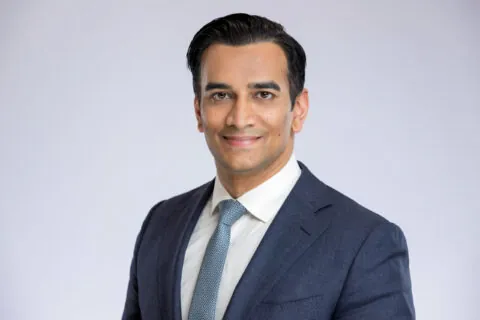
Azeem Ibrahim
Chief Strategy Officer
Susanna Kelley
Mass Atrocities and International Law, Program Head and Analyst