Preventing Another Sectarian Authoritarian System in Syria
Executive Summary
The downfall of former Syrian President Bashar al-Assad regime ended an authoritarian government dominated by his Alawite sect. Despite the promises of his replacement, interim president Ahmed al-Sharaa, of establishing a system of governance based on pluralism, inclusion, and respect for minorities, Sunnis control the country’s top Cabinet positions. Minority groups, including Christians, Alawites, and Druze, are almost absent from the leadership of security and military institutions, including intelligence, and tend to lack substantive representation to influence decision-making in the government. The exclusion of minority groups has increased tensions, eroded trust, and fueled sectarian violence. If Damascus does not institute policy reforms and improve communication with the country’s minority communities, Syria is at risk of state fragmentation. This could bring refugee flows, particularly from those minority groups, and create opportunities for external actors to undermine state sovereignty. These outcomes directly threaten U.S. interests the region.
Key Findings
Exclusion of minorities from Syrian security institutions elevates minority fears: Transitional President Ahmed al-Sharaa’s government has excluded ethnic and sectarian minorities, including Yazidis, Kurds, and Christians, from intelligence services, military leadership, and security institutions responsible for protecting minorities from sectarian violence. These practices mirror former President Bashar al-Assad’s approach, undermining government promises of pluralism.
Symbolic Cabinet inclusion of minorities: While minorities hold some Cabinet positions, they control no meaningful security or intelligence roles.
Sectarian violence continues with inadequate government response: Under al-Sharaa, minorities have faced violent attacks. Government investigations of those incidents remain ineffective, eroding trust between minority communities and Damascus.
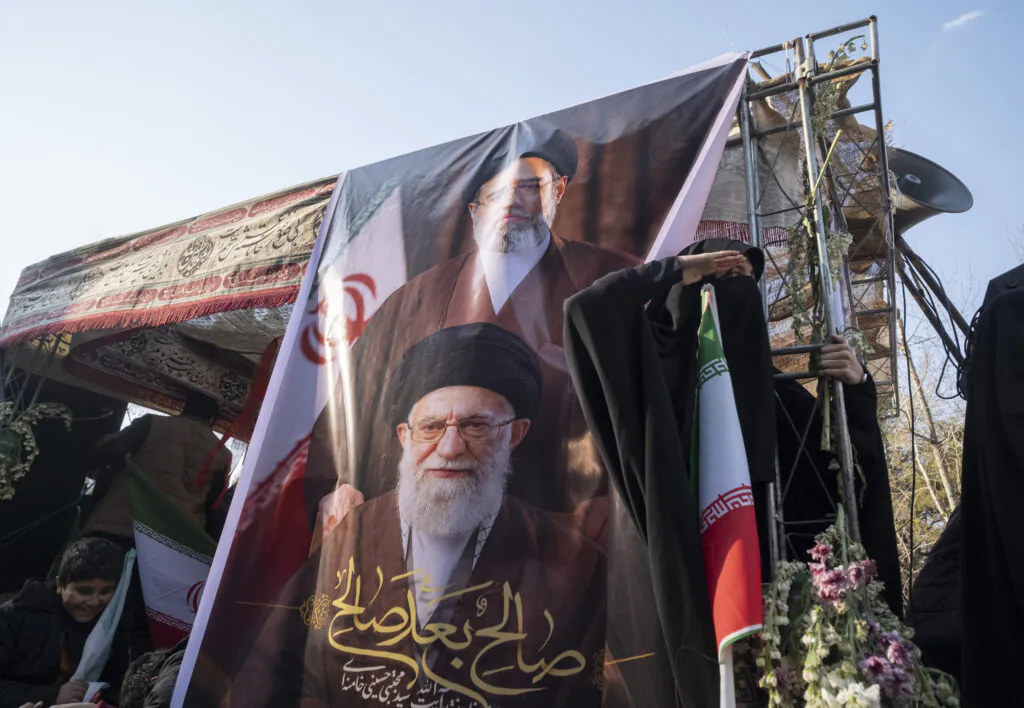
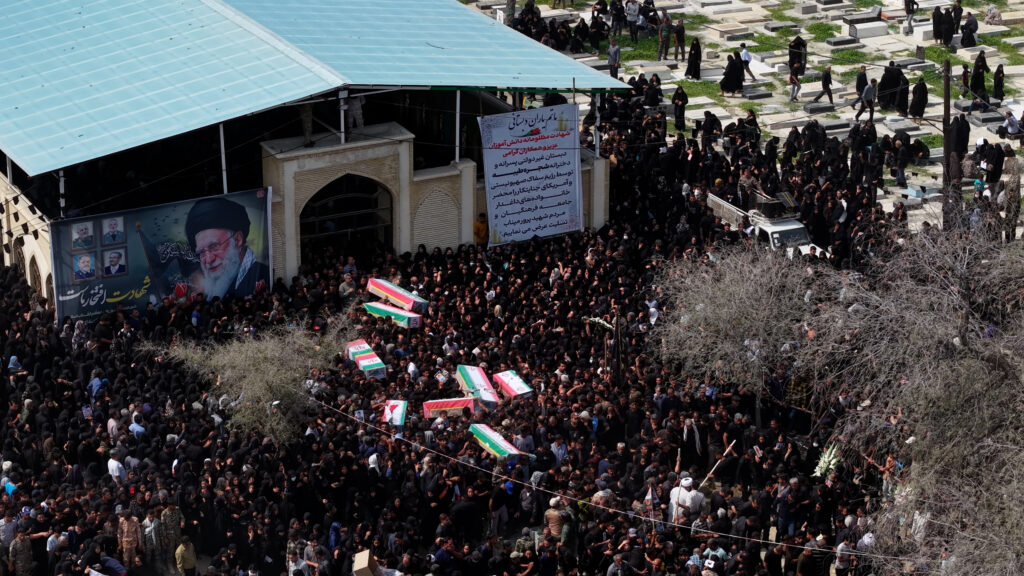
Regional powers exploit minority grievances: Israel’s military support for Druze forces and Iran’s backing of Shia communities allow external actors to exploit minority insecurity to further their own interests, undermining Syrian sovereignty and fueling sectarian divisions.
Implications for U.S. Policy: Without substantive minority inclusion in security institutions and effective protection from violence, Syria faces renewed sectarian conflict, state fragmentation, refugee flows, and opportunities for extremist groups to exploit grievances, threatening U.S. regional goals.
The views expressed in this article are those of the author and not an official policy or position of New Lines Institute.