Hazara Genocide
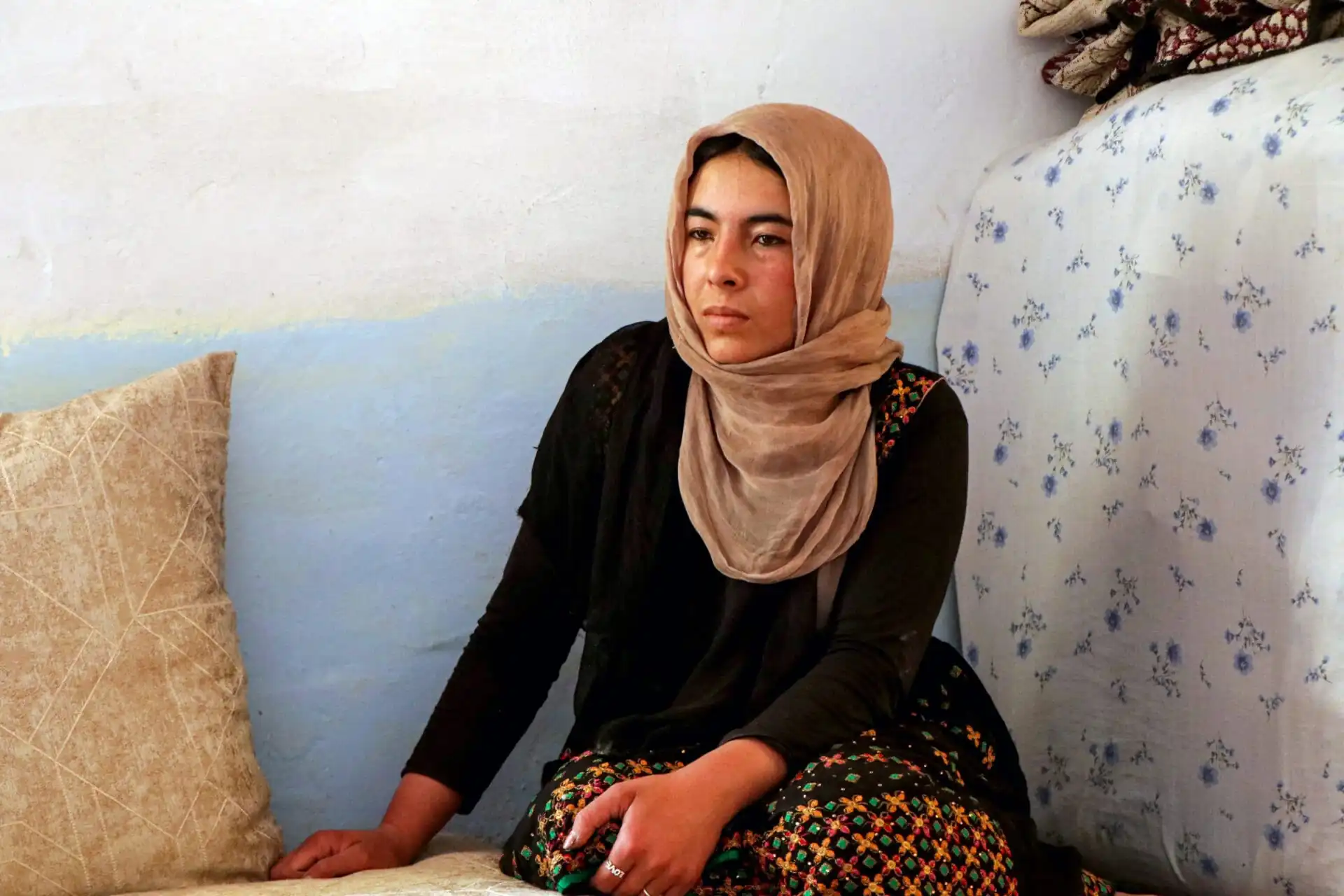
The Hazara are an ethnic and religious minority residing in Afghanistan who have been persecuted for over a century. This project applies the 1948 Genocide Convention to the situation of the Hazaras in Afghanistan, finding reasonable basis to believe that attacks against the Hazaras by various actors since August 2021 satisfy the main elements of genocide. Through rigorous legal analysis, the project documents patterns of violence and persecution targeting the Hazara community and assesses whether these acts meet the threshold of genocidal conduct under international law. The project's findings support efforts to raise awareness of the Hazara's plight and to activate the international community's duty to prevent and respond to genocide.
A Century of Persecution
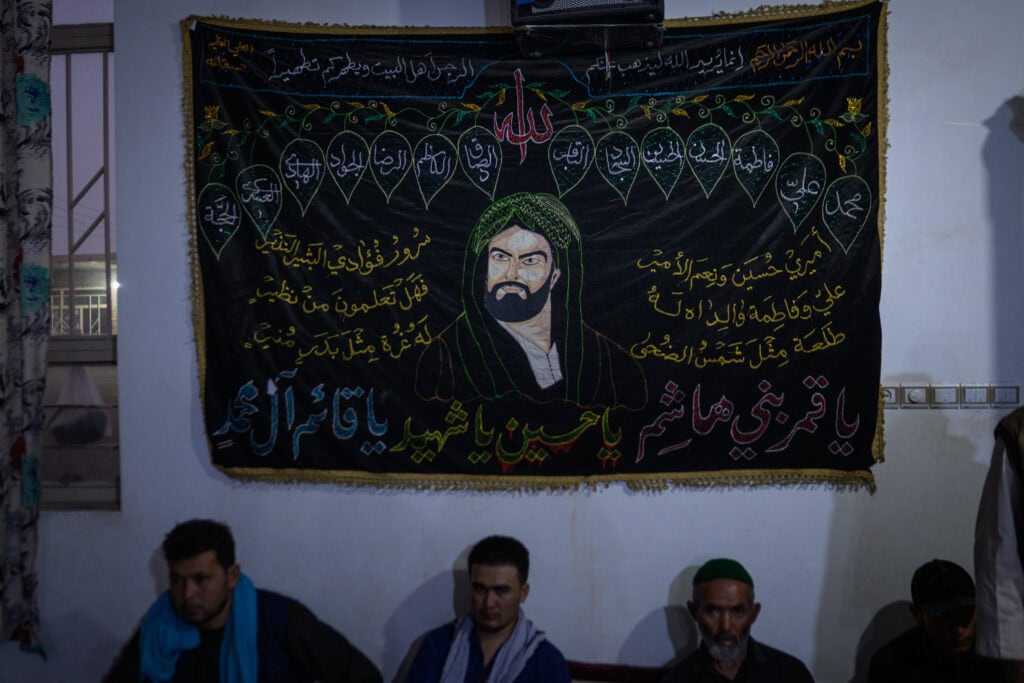
The Hazara have faced systematic discrimination and violence in Afghanistan for generations, targeted on the basis of their ethnicity and their Shia religious identity. Since the Taliban’s return to power in August 2021, attacks against the Hazara have intensified, including mass casualty bombings, targeted killings, forced displacement, and the erasure of Hazara cultural and educational institutions. The project documents this historical and ongoing persecution to establish the context in which current atrocities are occurring.
Applying the Genocide Convention
The project’s legal analysis applies the elements of genocide as defined in the 1948 Convention, examining evidence of both prohibited acts and the specific intent to destroy the Hazara as a group. By establishing a reasonable basis to believe that genocide is occurring, the project provides policymakers and international bodies with the legal foundation to pursue accountability measures and protective action for the Hazara community under their obligations as States Parties to the Convention.