India’s Evolving Role in Afghanistan
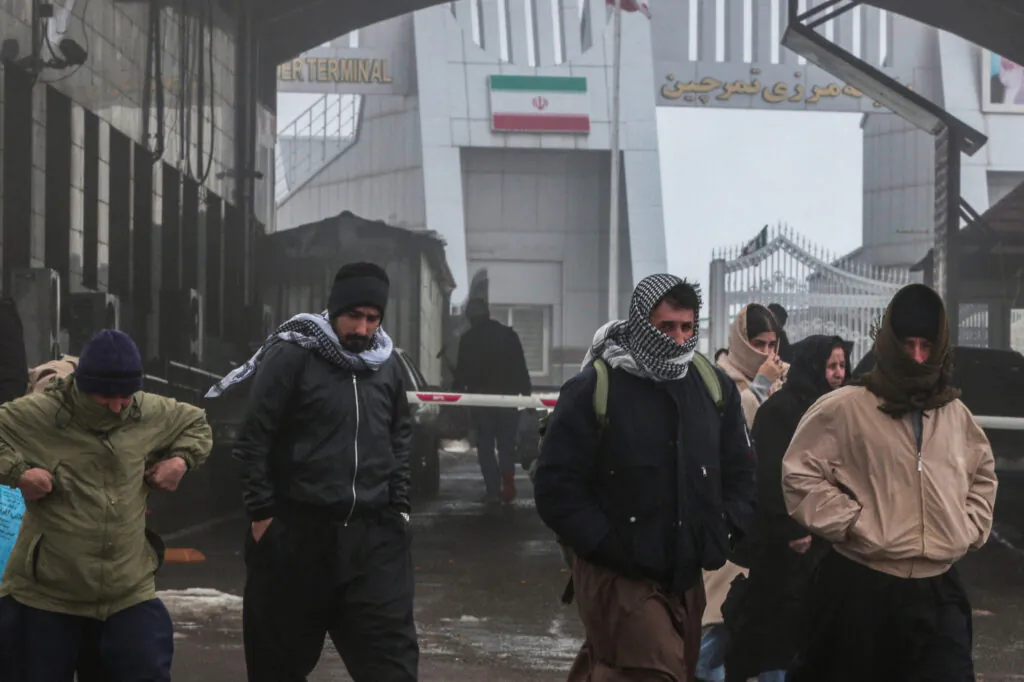
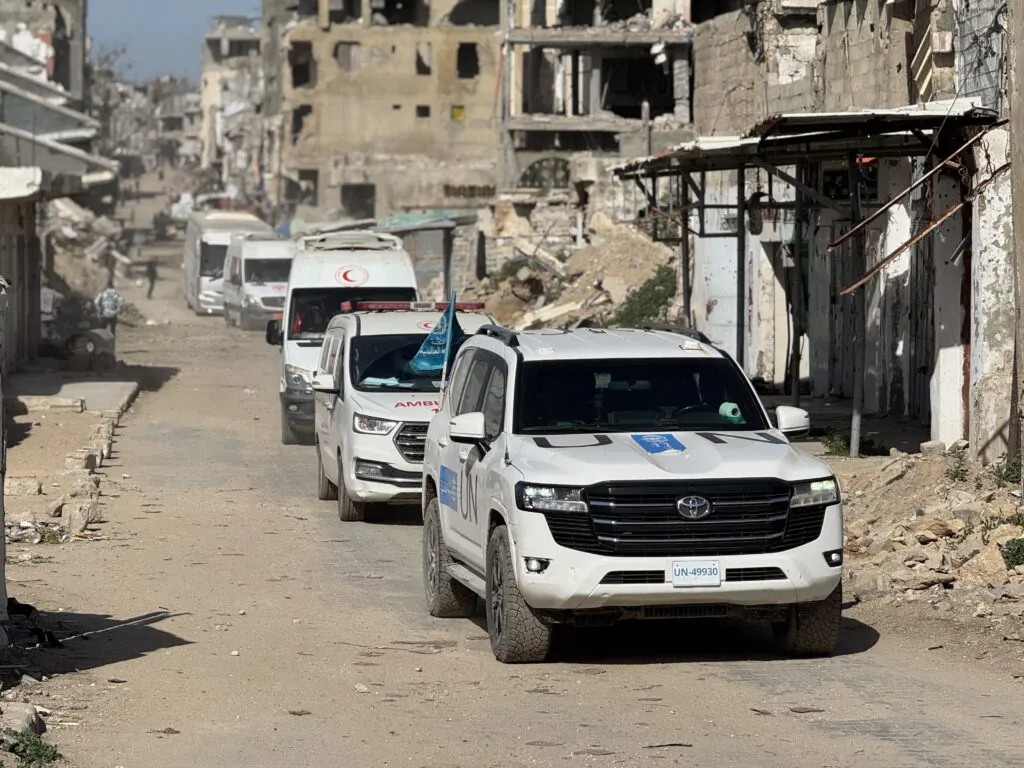
Since the Taliban’s return to power in 2021, India has relied on sending humanitarian assistance to Afghanistan to maintain a presence there without taking the formal step of recognizing the Taliban government. India sends wheat, vaccines, and medicines to Afghanistan through Iran’s Chabahar Port, forming a humanitarian corridor that bypasses India’s neighbor and adversary, Pakistan.
Historically, India has regarded the Taliban with hostility, given the group’s extremist Sunni Islam ideology and its close affiliation with the Pakistani military and intelligence establishment. However, the regional landscape is changing. With Pakistan’s waning influence in Kabul while China expands its reach, India feels both an opening and a growing pressure to emerge as a key regional player, keep trade routes open through Iran, and stop Afghanistan from again becoming a base for anti-India groups.
New Delhi’s actions in Afghanistan are trending toward a transition from its narrow humanitarian posturing to more intentional diplomatic engagement, as seen through reopening its embassy in Kabul, restoring old infrastructure projects, and selectively initiating new cooperation in social services. However, India’s sensitivity to its image as the world’s fourth largest democracy means it likely will continue to refrain from formally recognizing the Taliban government. Keeping these factors in mind could help Washington shape a more effective policy in South and Central Asia.
India’s Quiet Re-Engagement
The Taliban’s reemergence in Afghanistan after the 2021 withdrawal of the U.S.-led coalition created strategic concerns for India, particularly since its rivals – Pakistan and China – were well positioned to become close allies of the new regime due to their geographical proximity and prior involvement. In response, India began quietly re-establishing ties with the Taliban through humanitarian assistance, both to prevent Afghanistan from re-emerging as a hub for terrorism that could threaten its security and to position itself as a strategic partner, incentivizing cooperation with India over Pakistan or China. For the last few years, India’s involvement had remained limited within the bounds of aid distribution, helping Indian officials build goodwill and trust with the Taliban after Afghanistan’s political transition.
Now, however, several strong signals suggest India has an opportunity to expand its influence in Afghanistan beyond humanitarian relief. One of the clearest drivers of this opening is Pakistan’s deteriorating relationship with the Taliban. Pakistan and the Taliban have historically been strong allies, but relations became strained over Tahrik-e Taliban Pakistani (TTP), a militant group that operates from Afghan territory and has carried out deadly attacks against Pakistani security forces and civilians. On Oct. 9, 2025, Pakistan launched airstrikes in several Afghan provinces targeting TTP strongholds, sparking a series of retaliatory attacks between the longtime allies before a fragile ceasefire took hold. Peace talks were restarted on Nov. 6 in Istanbul, but they stalled with no tangible progress being made. Border tensions remain at a high.
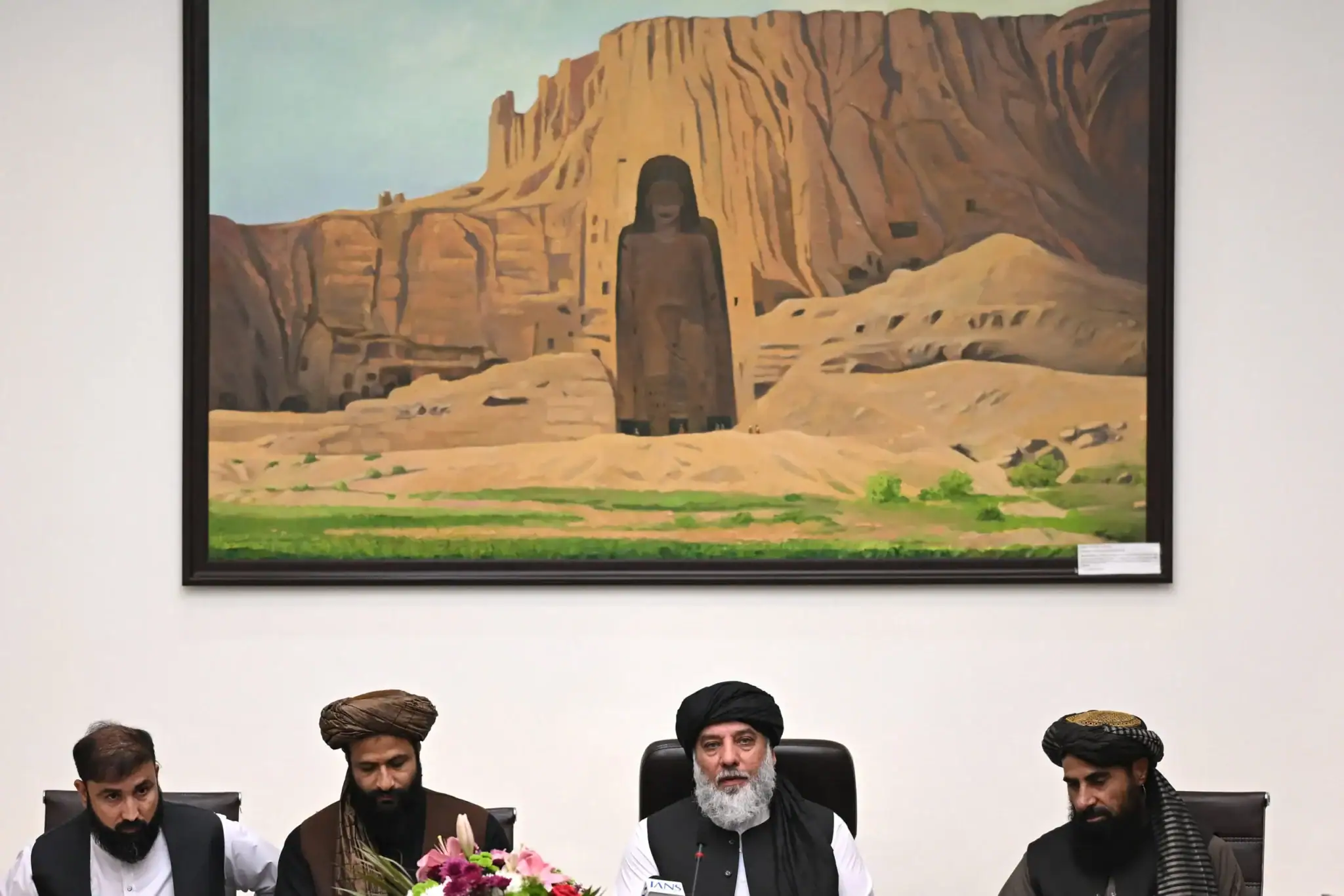
India’s push for deeper engagement with the Taliban coincided with this deteriorating relationship. Indeed, while Pakistan launched its first set of airstrikes into Afghanistan, India was hosting its first Afghan delegation since the Taliban takeover, led by the Taliban’s foreign minister, Amir Khan Muttaqi, in New Delhi. On Oct. 10, India announced it would reopen its embassy in Kabul, which had been shut since 2021, becoming the first major democracy to do so.
As Afghanistan faces declining foreign aid, the Taliban’s official visit to India also marks the regime’s pragmatic effort to break free of its diplomatic isolation and attract external investment. During Muttaqi’s visit to India, both sides publicly discussed deepening cooperation beyond humanitarian assistance. External Affairs Minister Subrahmanyam Jaishankar announced India would maintain and repair past development projects while committing to six new initiatives focused on infrastructure, food security, and educational and institutional capacity-building. The two delegations discussed water resource management, expanded air connectivity, and streamlined visas for Afghan nationals. Muttaqi also invited Indian companies to invest in mining and construction sectors, signaling Kabul’s desire for New Delhi to re-emerge as a key development partner.
For India, this is an opportunity to assert economic and political presence in a region where China and Pakistan have historically dominated. Since 2021, Western funding to Afghanistan has declined by more than 65%, increasing Afghanistan’s dependence on regional partners – a dependence India can use to its advantage. For instance, improved New Delhi-Kabul ties can also strengthen India’s westward connectivity. With the Atari-Wagah border between India and Pakistan closed following renewed hostilities in May, trade routes through Pakistan remain blocked. This has made Iran’s Chabahar Port-which links India to Afghanistan and onward to Central Asia via the Zaranj–Delaram highway-an even more critical alternative corridor, allowing India to circumvent Pakistan entirely while continuing regional commerce.
Caution and Pragmatism
However, New Delhi stays cautious. The embassy reopening does not signal a pathway to full recognition, particularly due to India’s unease with the Taliban’s ideological foundations and human rights record. Muttaqi’s press event in New Delhi, for instance, drew public criticism as female journalists were turned away by the Taliban. The International Criminal Court’s arrest warrants for Taliban leaders Haibatullah Akhundzada and Abdul Hakim Haqqani on charges of systemic gender-based abuses further highlight the reputational risks of India’s close entwinement with the Taliban.
The international community’s reaction to India’s engagement has been muted, in part because Western states are conducting their own cautious engagements with Kabul to manage migration and counterterrorism concerns. In fact, it was a U.N. Security Council Sanctions Committee that exempted Muttaqi’s trip to India from the travel ban imposed on him, reflecting growing international acceptance of the Taliban’s limited diplomatic engagements.
As such, India’s cooperation with Kabul faces clear limits. Ideological incompatibility, domestic political sensitivities, and India’s cautious diplomacy constrain how far ties can strengthen. Even as the Taliban seeks out Indian investment, it continues to suppress women’s rights and restrict civic participation. Engagement for India thus likely will be transactional, aimed at preserving strategic visibility rather than pursuing normalization.
The most likely outcome of India’s careful diplomacy in Afghanistan would be a measured but sustained presence, where India expands technical cooperation and maintain its humanitarian corridor through Iran while avoiding full political recognition of the Taliban. If this course holds, India can position itself as a reliable, development-oriented alternative to Pakistan’s currently volatile security posture. The Taliban’s economic dependence and desire for legitimacy will also continue to create space for Indian aid and investment, particularly in education, agriculture, and small-scale infrastructure projects. In return, India can secure operational access to its western frontier by restoring a link to Central Asia through Chabahar and the Zaranj-Delaram route, a highway in Afghanistan financed by India that remains outside Pakistani control.
A more significant regional realignment seems less likely. Despite current tensions between Islamabad and Kabul, in July the foreign ministers of Pakistan, China, and Afghanistan met in Kabul to discuss expanding the China-Pakistan Economic Corridor into Afghanistan. If Pakistan moves to improve relations with Afghanistan, particularly along the backdrop of implementing such an initiative, it could re-anchor Afghanistan within Pakistan’s orbit and dilute India’s emerging influence. However, the collapse in peace talks between the two indicates otherwise; Islamabad will likely struggle to regain meaningful influence in Kabul in the near future.
India’s success in increasing its influence in Afghanistan relative to its rivals will hinge on some interlinked variables, including Pakistan’s ability to rebuild trust with the Taliban and its own capacity to scale humanitarian engagement into development diplomacy. If these conditions align in India’s favor, Afghanistan could become the western hinge of India’s strategic geography as a potential conduit to Central Asia and a buffer against Pakistani influence. If they do not, India could remain a peripheral player, continuing to offer short-term aid but with no strengthening influence over Taliban decision-making. However, these shifts are all occurring in
The views expressed in this article are those of the author and not an official policy or position of the New Lines Institute.