Bridging Fault Lines in U.S. Strategy: A New Framework for South Asia-Gulf Engagements
Executive Summary
The ongoing U.S.-Israel war with Iran and disruptions in the Strait of Hormuz have made it clear: Instability in the Persian Gulf has global effects. South Asia, for instance, depends heavily on Gulf energy, steady shipping routes, and remittances from the millions of people who work in the Gulf that sustain families and local economies. When fossil fuel prices rise, routes are disrupted, or those workers face risk, both regions feel the impact.
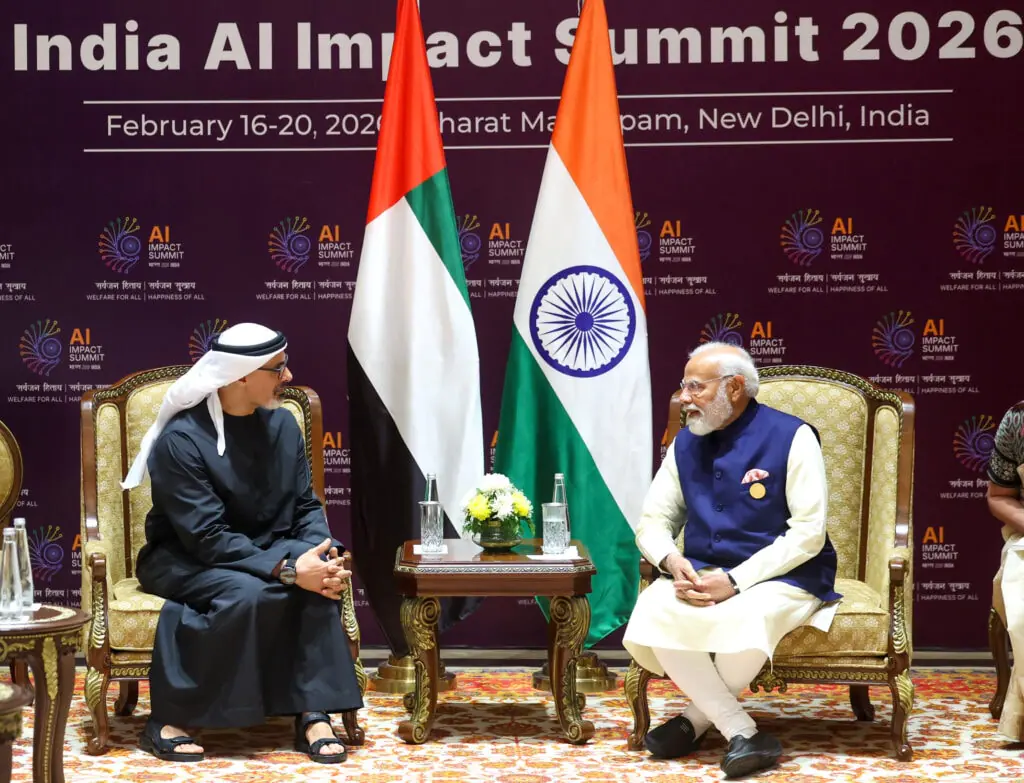
The current war in the Middle East is changing the character of the links between the Middle East and South Asia, with economic ties now reinforced by growing security partnerships. The 2025 Saudi Arabia-Pakistan Strategic Mutual Defense Agreement and deeper India-UAE and India-Israel security cooperation are cases in point. They showcase the creation of a connected space. This is what the South Asia-Gulf Engagement (SAGE) framework seeks to capture.
U.S. policy treats the Gulf and South Asia as separate arenas, an approach reflected in the 2025 National Security Strategy, which splits Asia and the Middle East while barely mentioning South Asia. This limits Washington’s response, creates openings for China, and obscures how risks move between the regions. SAGE, instead, calls for a more coherent approach.
Recommendations
- Treat the Gulf-South Asia corridor as a single planning problem: U.S. policy should begin by recognizing that crises, energy flows, and security dynamics link the Gulf and South Asia. Treating them separately creates blind spots in both regions. Interagency processes should routinely integrate inputs from both regional desks. This is a definitional shift, not a structural overhaul.
- Build cross-regional checks into major policy decisions: Recent decisions on sanctions, military action, and infrastructure have generated unintended spillover across regions. These effects had not been anticipated because policies were assessed within narrow regional lenses. A cross-regional review for major decisions would reduce this gap. The aim would be to anticipate second-order effects before they escalate.
- Stop constraining partners that carry regional stabilizing capacity: U.S. policy has at times limited the ability of partners to operate across regions, particularly through sanctions and connectivity restrictions. This weakens actors that could otherwise contribute to stability. If burden-sharing is to be meaningful, partners need operational space. Selective flexibility can strengthen, rather than dilute, U.S. strategy.
- Work with, not against, diversified regional partnerships: Regional actors are operating in an increasingly multipolar environment and are actively diversifying partnerships across security and economic domains. This reflects strategic autonomy, not disengagement from the United States. U.S. policy should acknowledge this reality and engage partners without forcing binary alignments. Working with these overlapping networks allows Washington to remain relevant while respecting the independent choices of regional states.
- Prioritize stability of flows, not just control of outcomes: The current crisis in the Middle East shows that disruption spreads through energy routes, shipping lanes, and financial systems. Policy focused only on individual theaters misses how instability propagates. Maintaining the continuity of these flows is critical to regional stability. This requires coordination with allies and partners to manage systems, not just events.
The views expressed in this article are those of the author and not an official policy or position of New Lines Institute.
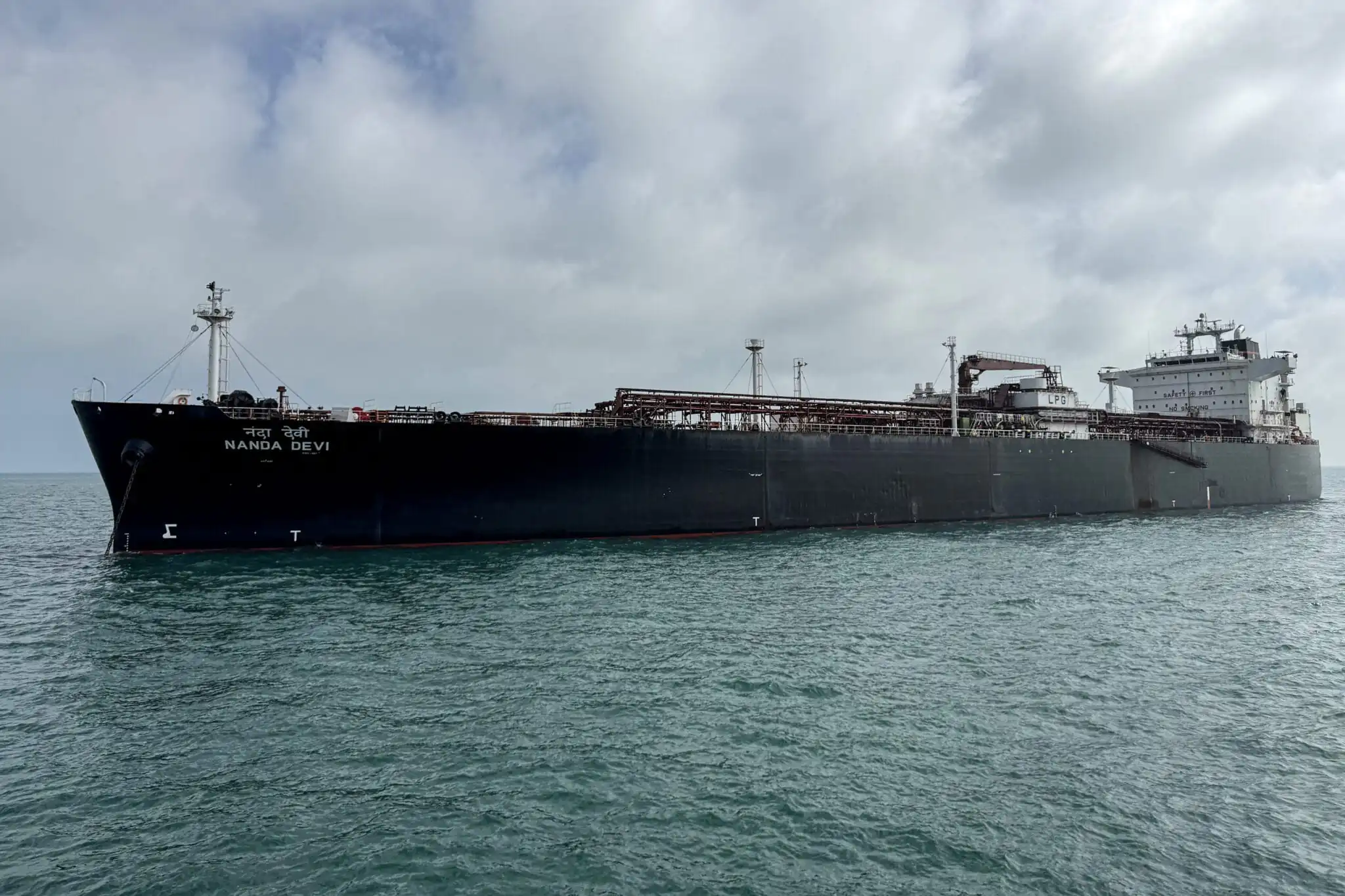
Photo: The Indian vessel “Nanda Devi” carrying liquefied petroleum gas arrives at Vadinar Port in India on March 17, 2026, after Iran allowed it to pass through the Strait of Hormuz. (AFP via Getty Images)