


Conflict Affected Societies
The Conflict Affected Societies workstream produces cross cutting analysis that examines how violent conflict, political upheaval, and prolonged instability shape societies in the Middle East in both the short and long term. Wars, insurgencies, and state collapse leave enduring imprints on social structures, political institutions, economic systems, and collective memory that persist well beyond the cessation of active hostilities. Using policy-relevant analysis focused on these consequences, the workstream identifies emerging threats to regional stability and U.S. interests, as well as opportunities for mitigation. Research informs U.S. and international policymakers on how inclusive and context specific approaches can reduce instability, support recovery, and advance long term security in areas of intense and enduring conflict.
Understanding Legacies of Conflict
Violent conflict transforms societies in ways that outlast peace agreements and political transitions. Displacement fractures communities, institutional collapse erodes governance capacity, and wartime economies create vested interests that resist stabilization. The Conflict-Affected Societies workstream analyzes these dynamics across the Middle East, examining how the legacies of past and ongoing conflicts continue to shape trajectories of stability and fragility. This analysis provides policymakers with the contextual depth necessary to understand why some post-conflict environments stabilize while others remain trapped in cycles of violence.
Pathways to Stability
Effective responses to conflict-affected societies require approaches tailored to specific contexts. The Conflict-Affected Societies workstream identifies where inclusive governance, economic reconstruction, transitional justice, and community reconciliation can support sustainable recovery. Research also highlights where external interventions risk exacerbating tensions or entrenching instability. By connecting analysis of conflict legacies to actionable policy recommendations, the workstream equips U.S. and international policymakers with guidance on supporting long term security outcomes that align with both regional needs and strategic interests.
Projects
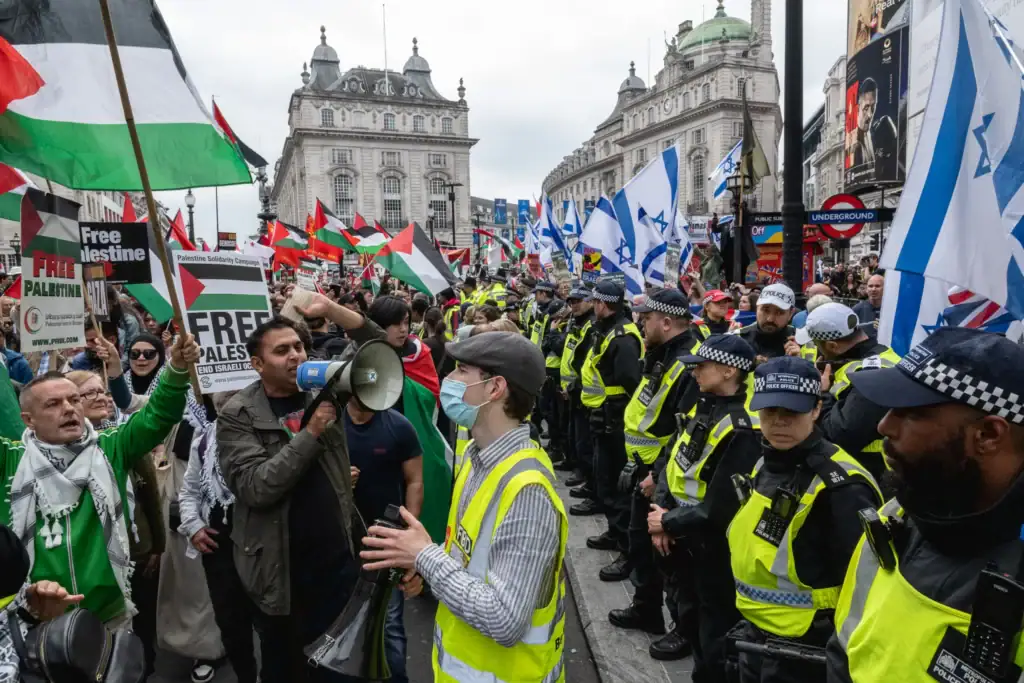
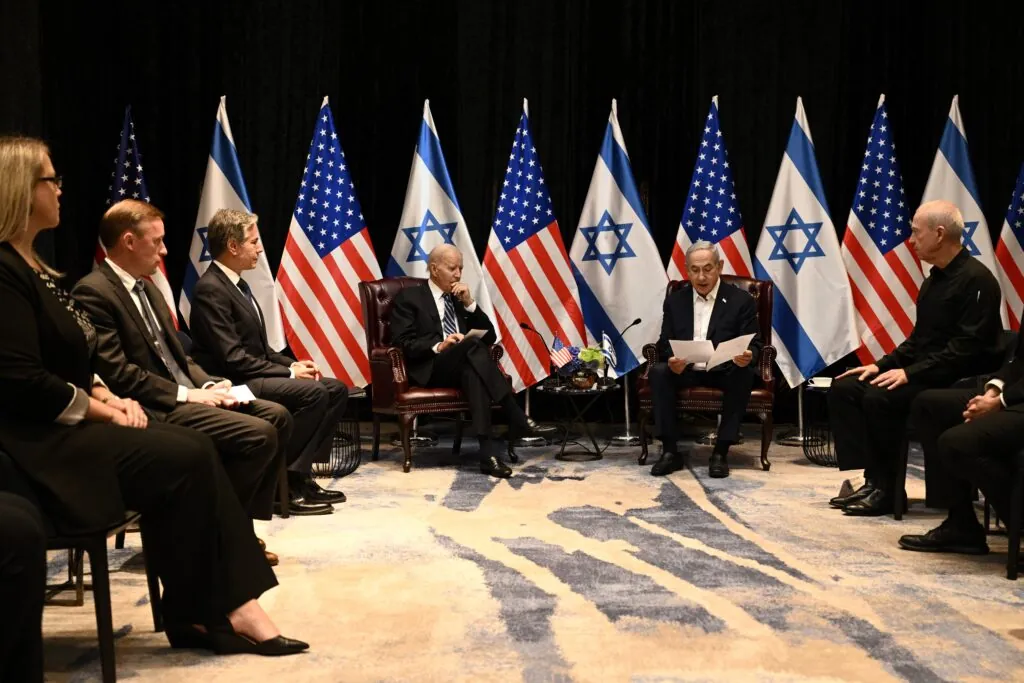
Israel-Palestine
Lebanon After Assad
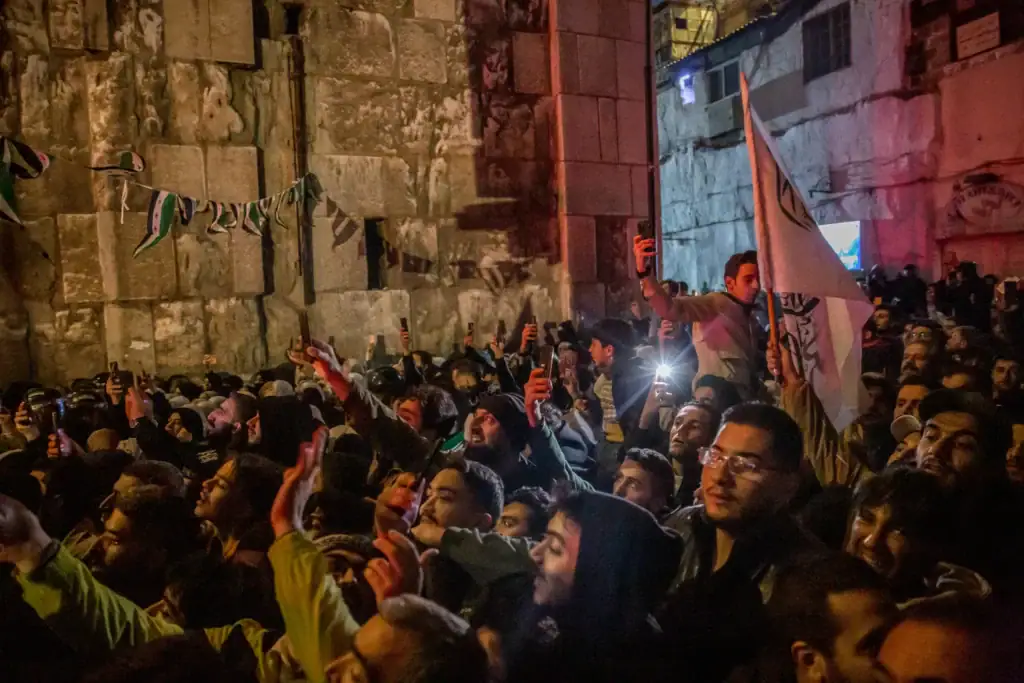
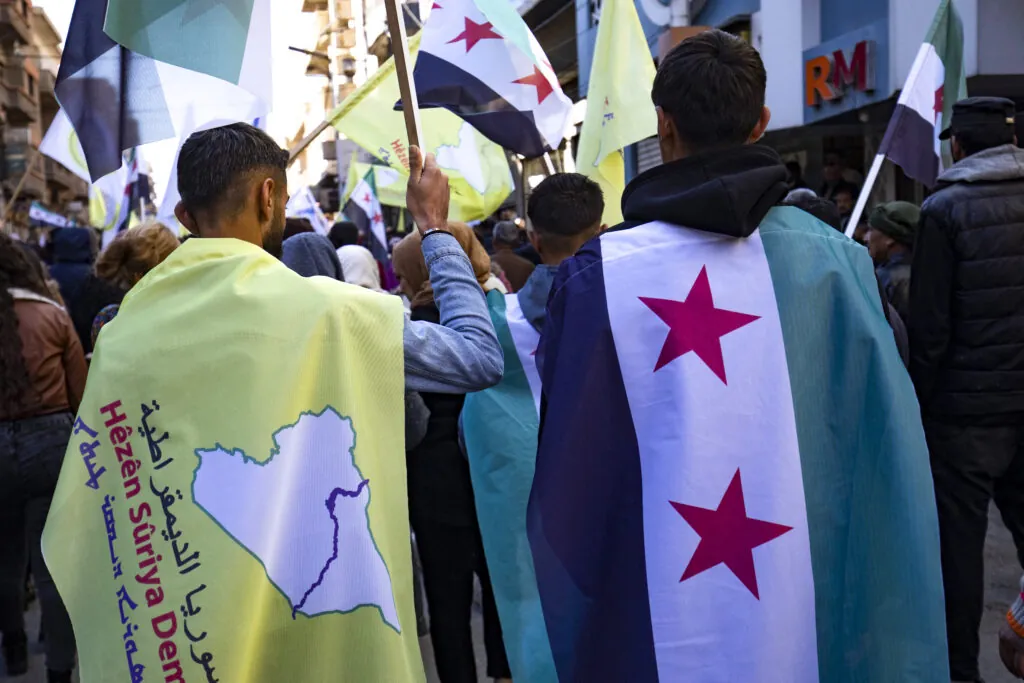
Post-Assad Syria
All articles



Workstream Team

Rachel Nelson
Analyst
Faysal Itani
Resident Senior Fellow

Zara Farouk
Analyst
Sasha Ghosh-Siminoff
Non-Resident Senior Fellow
Nicholas A. Heras
Senior Director