


China and India in the Middle East and North Africa
The China and India in the Middle East and North Africa workstream examines the shifting balance of influence in the MENA region as China, Russia, and India expand their economic, political, diplomatic, and security presence. U.S. influence in the region faces growing competition, requiring policymakers to understand how regional states and societies view and engage with these rising powers. The workstream assesses India’s emergence as a consequential regional partner for the United States and examines how Washington can work with its partners to contain Chinese and Russian influence. Research aims to strengthen U.S. policy in the Middle East by identifying opportunities to deepen existing partnerships, expand and innovate trade relationships, and collaborate with regional and global allies to counterbalance strategic competitors and secure U.S. interests.
Mapping Great Power Competition
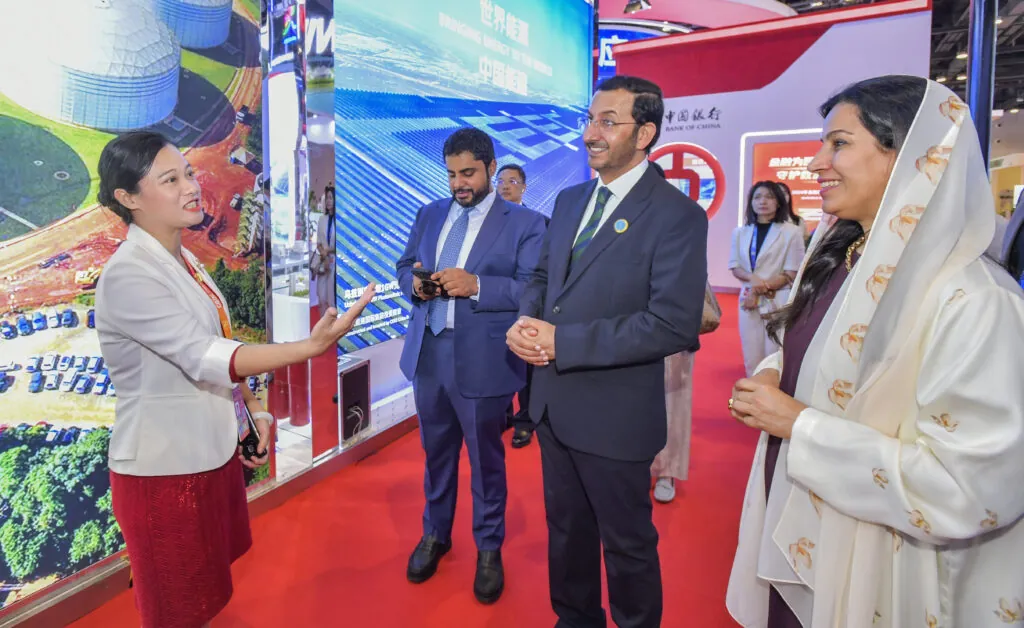
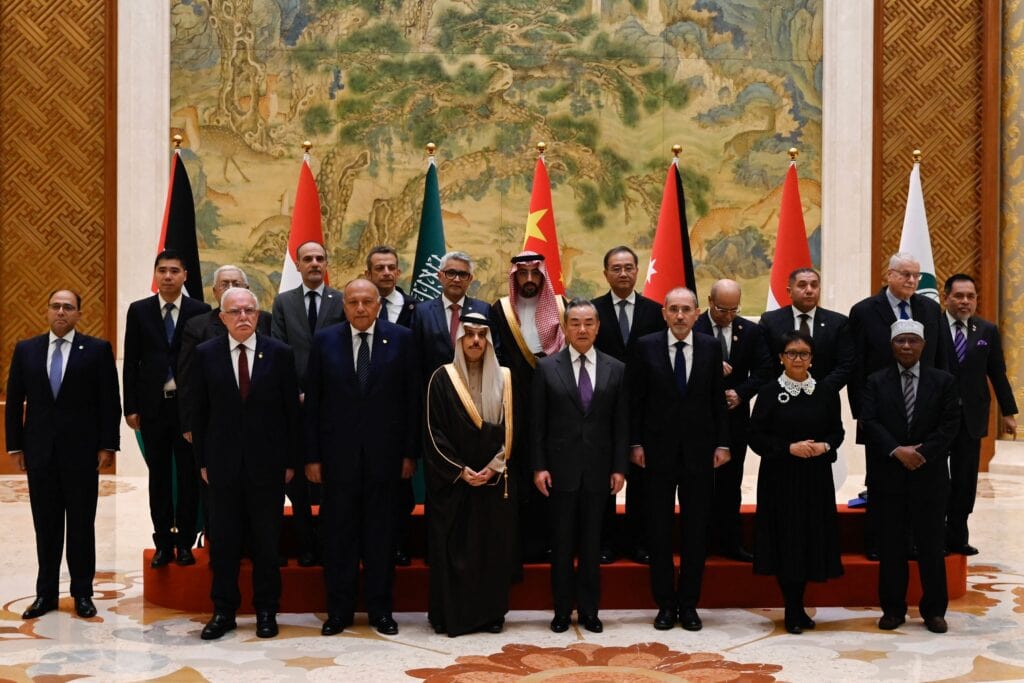
China and Russia have steadily expanded their footprints in the MENA region through infrastructure investments, arms sales, diplomatic engagement, and energy partnerships. Regional states increasingly view these relationships as alternatives or complements to traditional ties with the United States, creating a more contested environment for U.S. influence. The workstream analyzes how regional actors perceive and navigate relationships with multiple external powers, identifying where U.S. partnerships remain strong and where competition is eroding American leverage. This assessment provides policymakers with a clear picture of the competitive landscape and the factors shaping regional alignment decisions.
Partnerships and Strategic Countermeasures
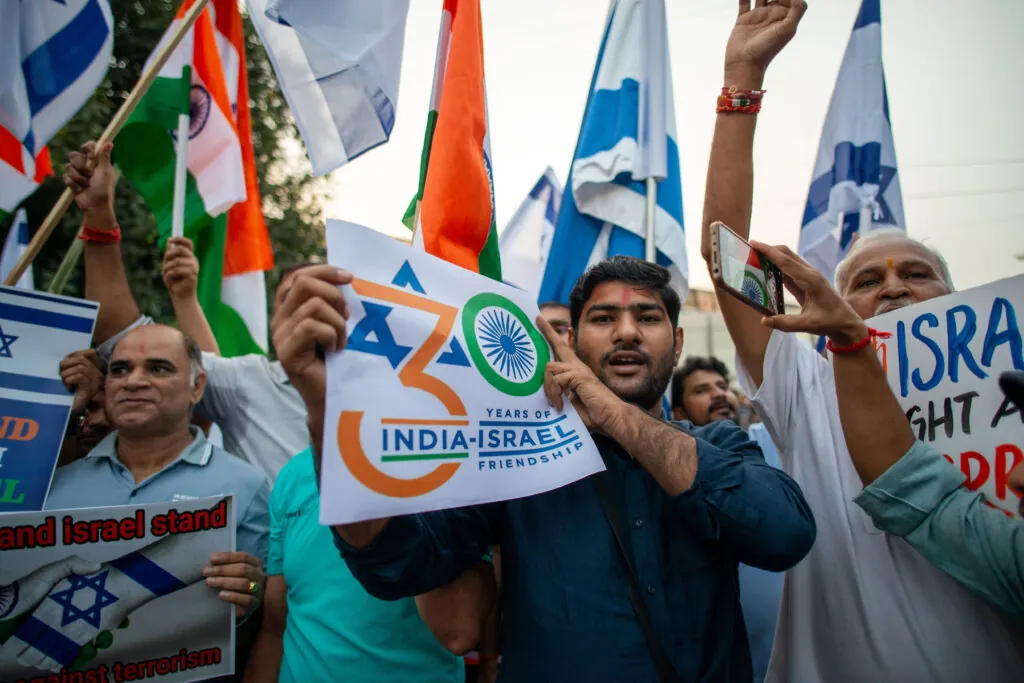
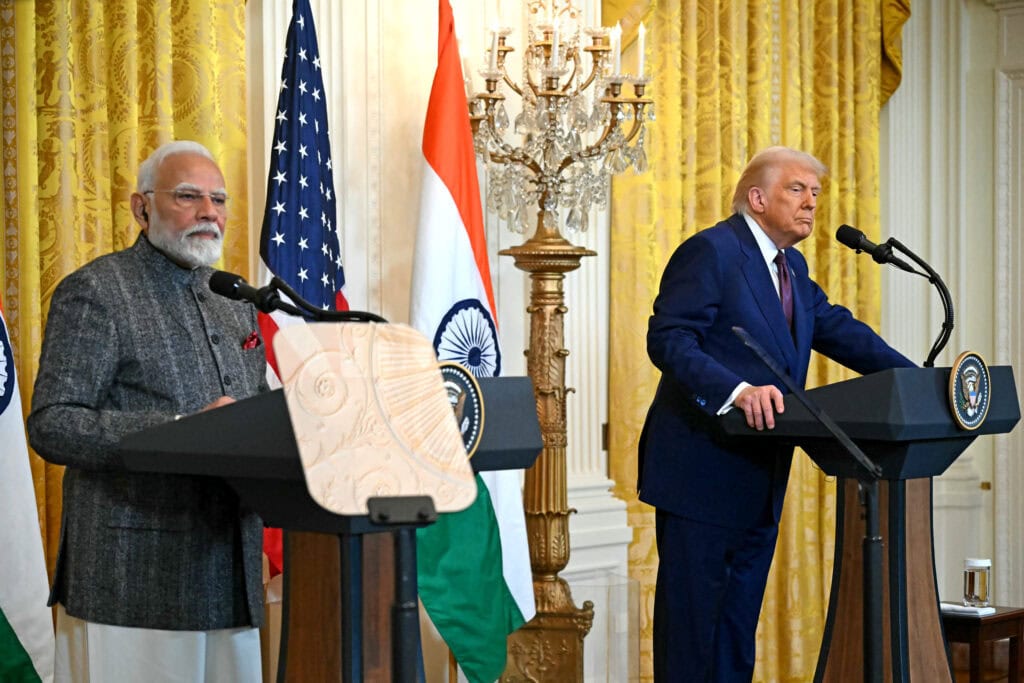
India has emerged as a significant actor in the MENA region, with growing economic ties, diaspora connections, and shared interests with both regional states and the United States. The workstream examines how Washington can leverage this convergence to strengthen its regional position while coordinating with other allies to counterbalance Chinese and Russian influence. Research identifies opportunities for trade innovation, security cooperation, and diplomatic coordination that advance U.S. interests while offering regional partners credible alternatives to dependence on strategic competitors.
Projects
China, India, and the Middle East
All articles
Workstream Team

Zara Farouk
Analyst

Gopi Bhamidipati
Non-Resident Senior Fellow

Kamran Bokhari
Senior Director

Dr. Muqtedar Khan
Guest Contributor
Sultan Alamer
Resident Senior Fellow

Nicholas A. Heras
Senior Director