Rebuilding Post-Conflict
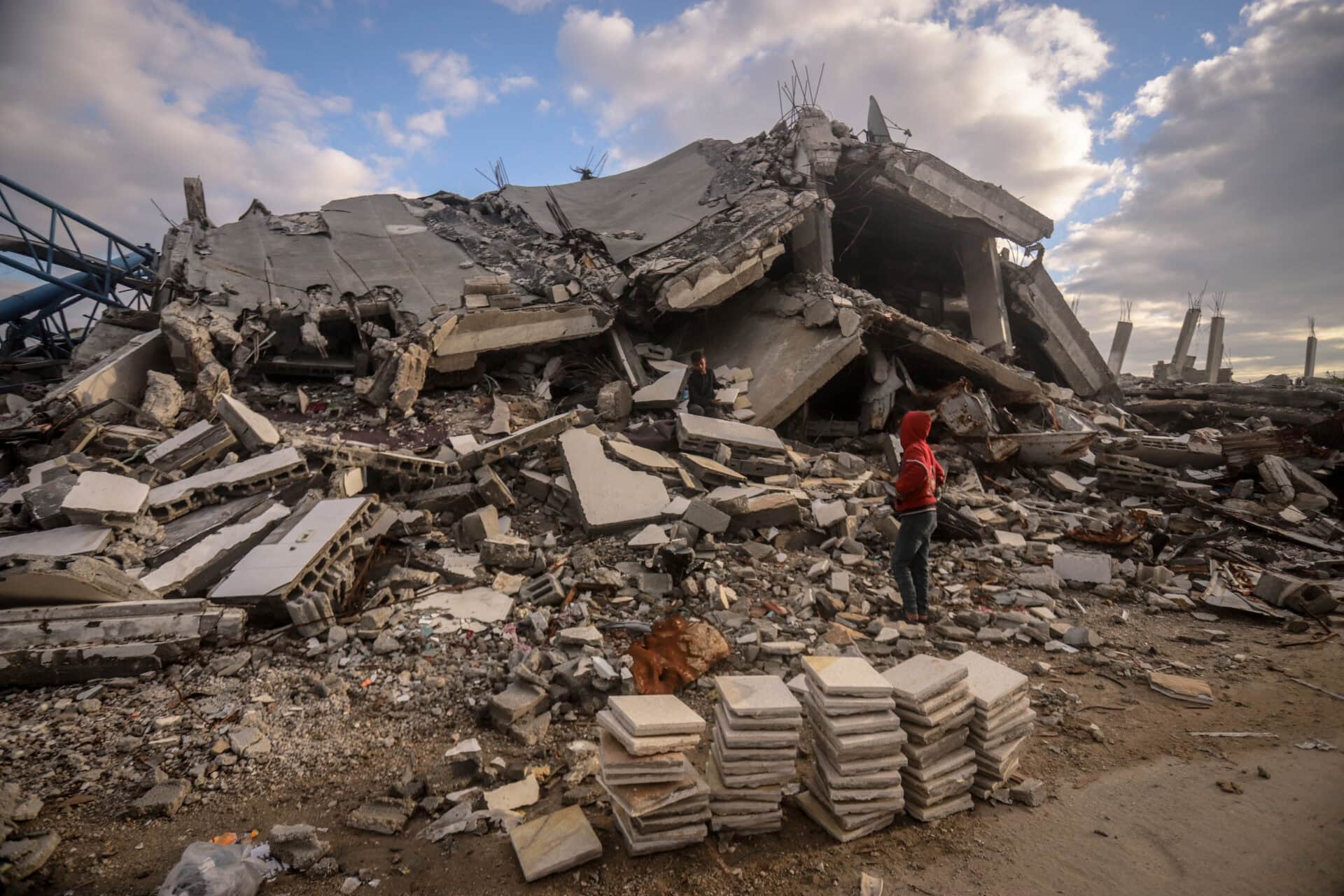
Rebuilding a country's physical and social infrastructure after conflict lays the foundation for durable peace and prevents a return to violence. Post-conflict environments are characterized by destroyed infrastructure, weakened institutions, displaced populations, and fractured social trust, all of which must be addressed to consolidate stability. Investing in reconstruction, inclusive governance, and social reconciliation helps restore trust in institutions and address the grievances that fuel instability. This project examines how reconstruction efforts can be designed and implemented to maximize their contribution to sustainable peace while avoiding pitfalls that risk reigniting conflict.
Physical and Institutional Reconstruction
Rebuilding roads, hospitals, schools, and essential services is necessary but not sufficient for lasting stability. This project analyzes how physical reconstruction intersects with institutional recovery, examining how infrastructure investments can be sequenced and targeted to strengthen governance capacity and deliver tangible benefits to affected populations. Research addresses the risks of reconstruction processes that exclude marginalized communities, entrench predatory elites, or create dependencies on external actors. By identifying approaches that integrate physical rebuilding with institutional reform, the project supports reconstruction strategies that reinforce the foundations of peace.
Social Reconciliation and Inclusive Governance
Durable peace requires more than rebuilt infrastructure. It demands processes that address the social fractures and grievances produced by conflict. This project examines how transitional justice mechanisms, community reconciliation initiatives, and inclusive governance reforms contribute to restoring trust among divided populations. Research also assesses how post-conflict governments can be structured to incorporate previously excluded groups and prevent the concentration of power that often precedes renewed violence. By connecting reconstruction with reconciliation and political inclusion, the project provides policymakers with guidance on building stability that endures beyond the initial recovery phase.