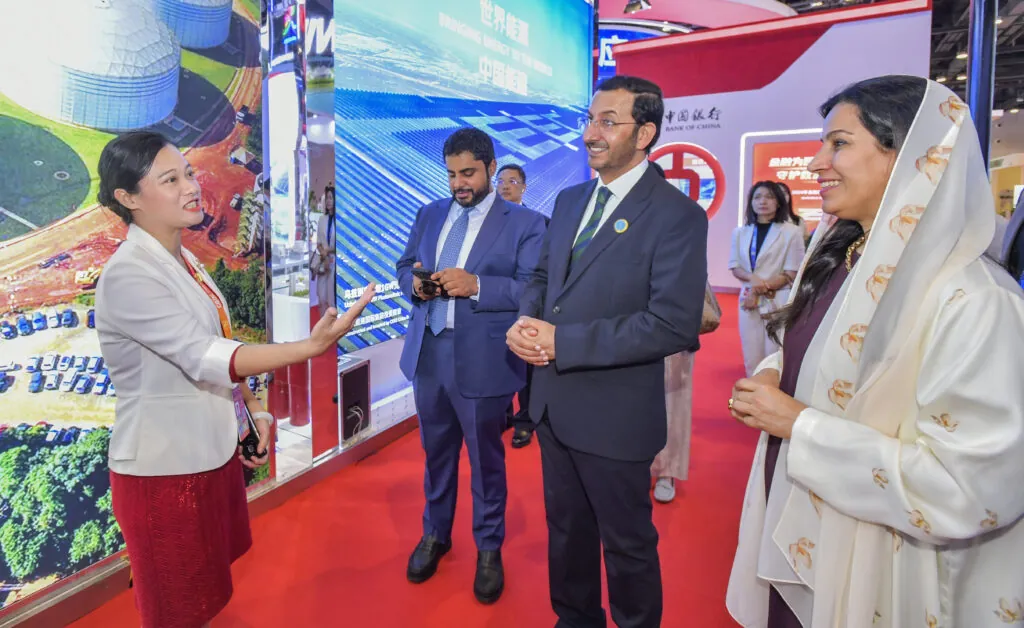
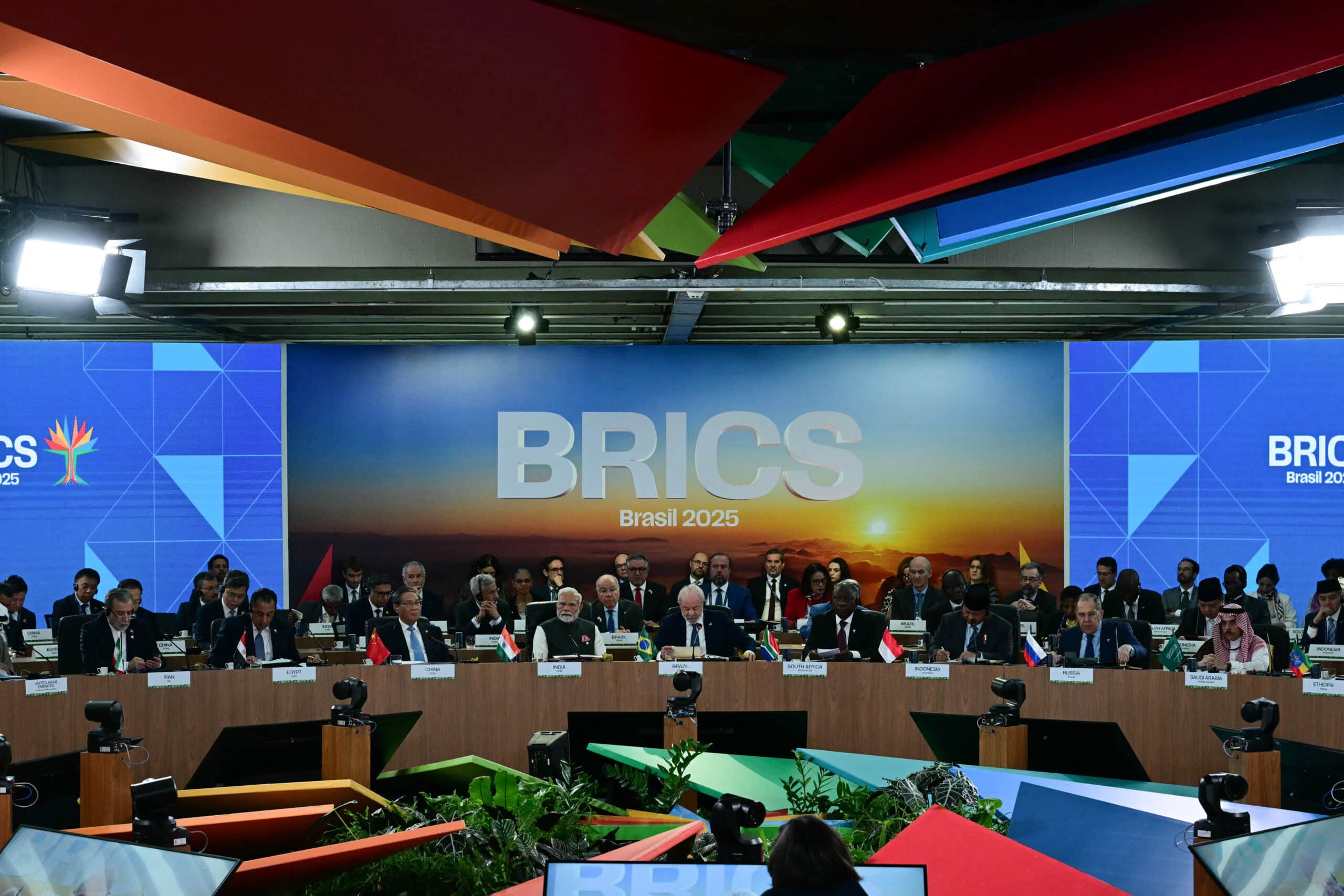
China, India, and the Middle East
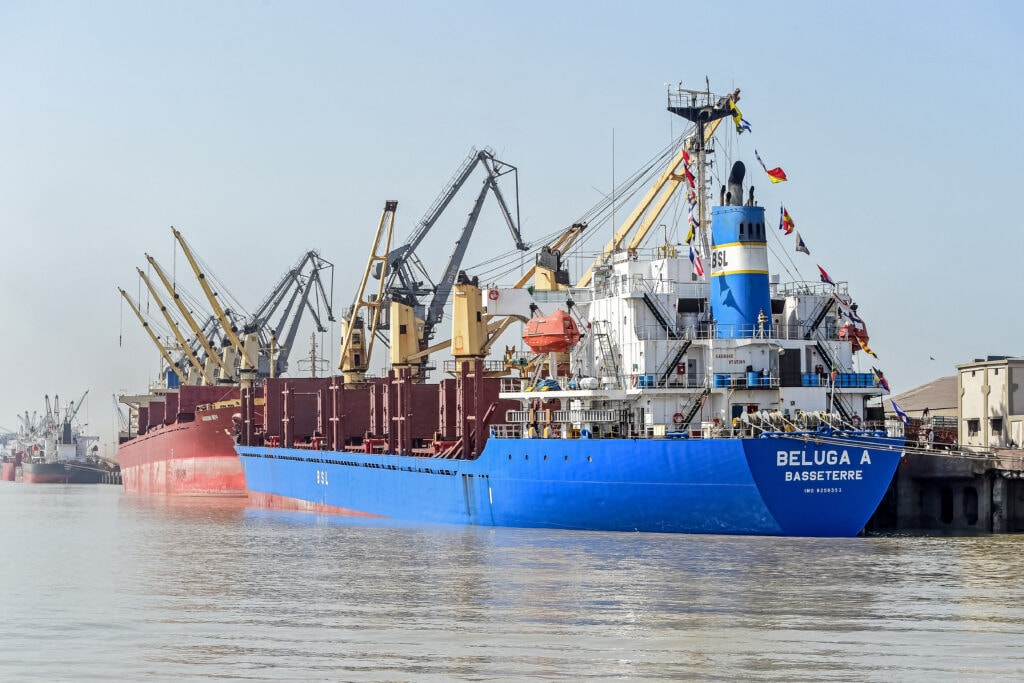
The China, India, and the Middle East project produces innovative and anticipatory analysis to assist U.S. policymakers in navigating the growing economic, physical, and diplomatic presence of both China and India in the Middle East and North Africa. As these powers deepen their engagement across the region through trade, infrastructure investment, and strategic partnerships, the competitive landscape for U.S. influence continues to evolve. The project delivers forward looking assessments that identify emerging trends, evaluate their implications for U.S. interests, and offer actionable recommendations for policymakers seeking to adapt American strategy to a multipolar regional environment.
Tracking an Evolving Landscape
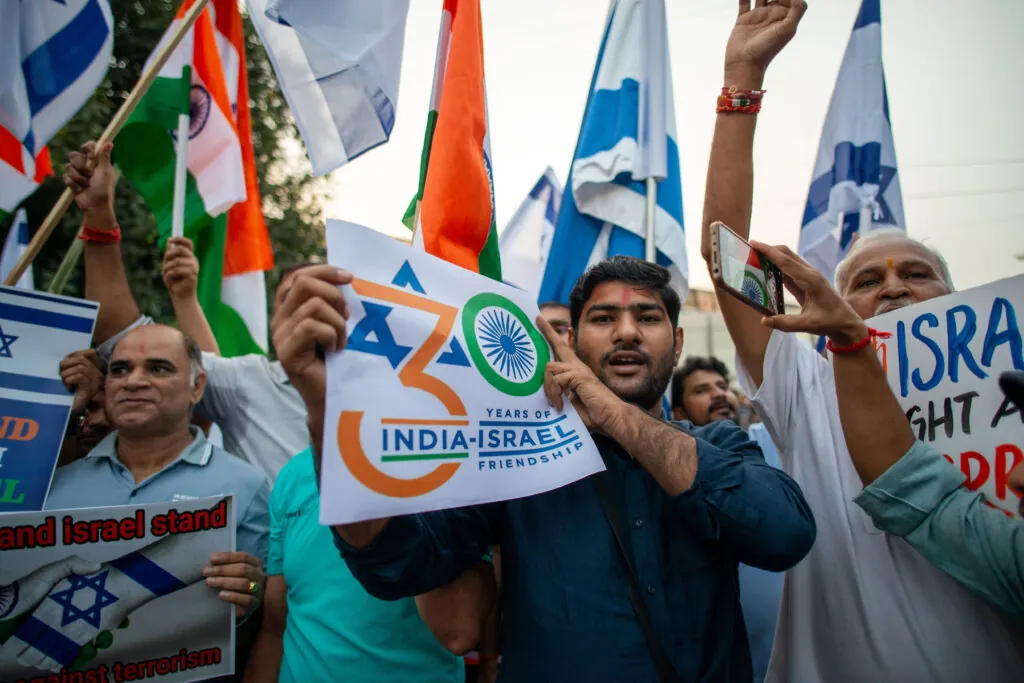
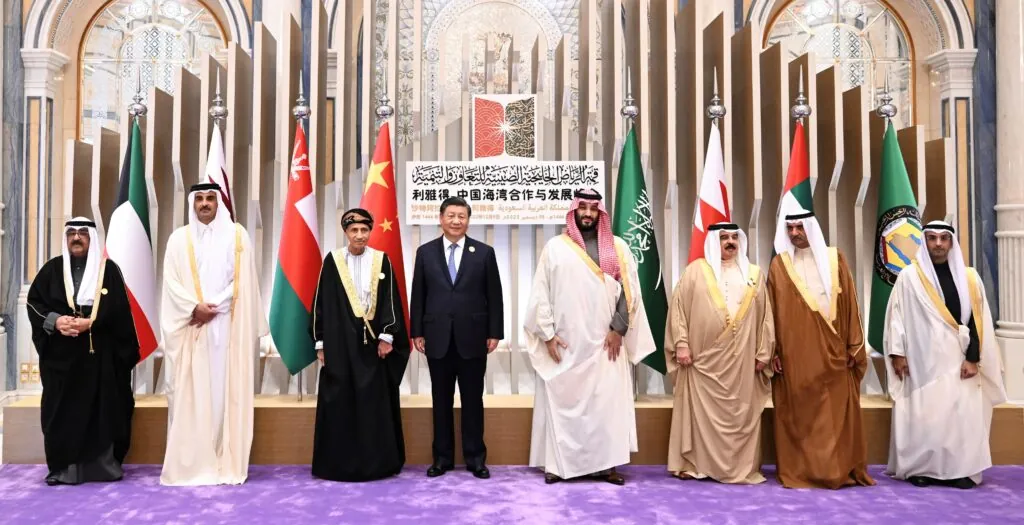
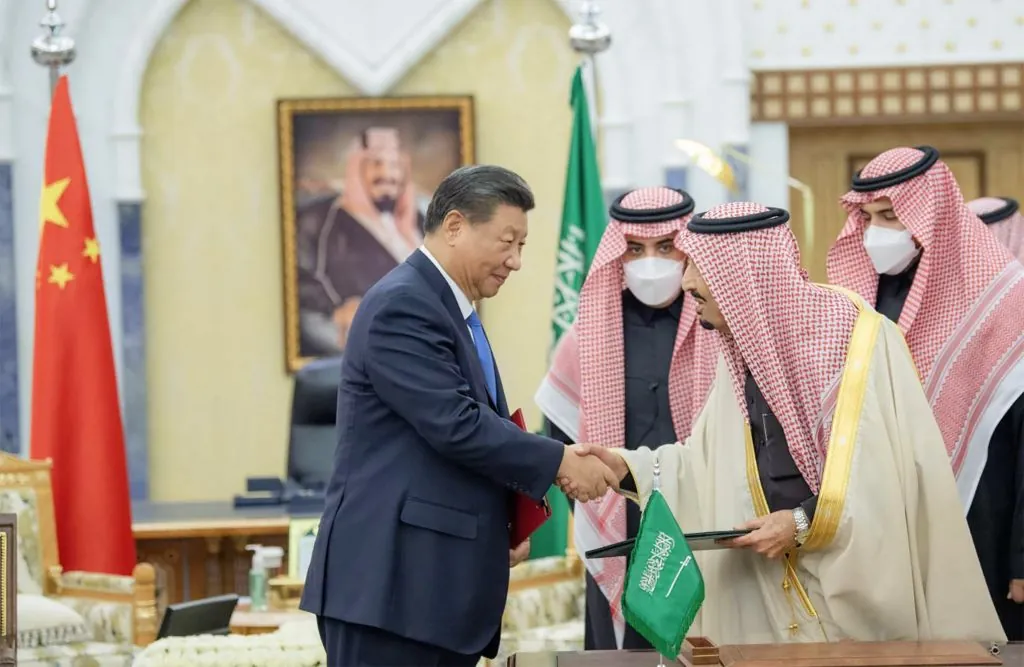
China’s Belt and Road investments, expanding diplomatic relationships, and growing energy dependencies have reshaped its role in the MENA region. India’s deepening trade ties, diaspora networks, and strategic partnerships with Gulf states have similarly elevated its regional profile. This project monitors these developments systematically, analyzing how Chinese and Indian engagement affects regional economies, security arrangements, and political alignments. By providing U.S. policymakers with comprehensive situational awareness, the project enables more informed decision making as Washington navigates an increasingly competitive regional environment.
Anticipatory Analysis
Effective policy requires not only understanding current conditions but anticipating future trajectories. The project identifies where Chinese and Indian influence is likely to expand, where regional states are seeking alternatives to U.S. partnerships, and where opportunities exist for Washington to strengthen its position. This anticipatory approach equips policymakers with the analytical foundation necessary to develop proactive strategies, ensuring that U.S. engagement remains calibrated to the region’s shifting dynamics.