
Skip to content
LDvlWdX2_400x400

Eugene Chausovsky

Senior Director, Analytical Development and Training Department

Eugene Chausovsky is the Senior Director for Analytical Development and Training. He oversees the institute’s analytical methodology and forecasting process, manages institutional training efforts, and guides the development of analytical products.  

Chausovsky previously served as Senior Eurasia Analyst at the geopolitical intelligence firm Stratfor for more than 10 years. His analytical work has focused on political, economic and security issues pertaining to Russia, Eurasia, and China, as well as global connectivity issues related to energy and climate change. 

He has contributed articles to a wide range of outlets including Foreign Policy, The National Interest, the Wall Street Journal, Forbes, and Al Jazeera and has given interviews to global media outlets such as BBC, CNBC, Bloomberg, Politico, and CNN. He has served as a speaker at international conferences and as a guest lecturer at universities in the United States and abroad. He has also organized crisis simulations and delivered client briefings to numerous international organizations and businesses, including Fortune 500 companies. Chausovsky holds a Master of International Public Policy degree from the Johns Hopkins University School of Advanced International Studies and a Bachelor of Arts in International Relations from the University of Texas at Austin. He tweets at @eugenechausovsk. 
Latest Articles

Global Hotspots: 2026 Annual Forecast

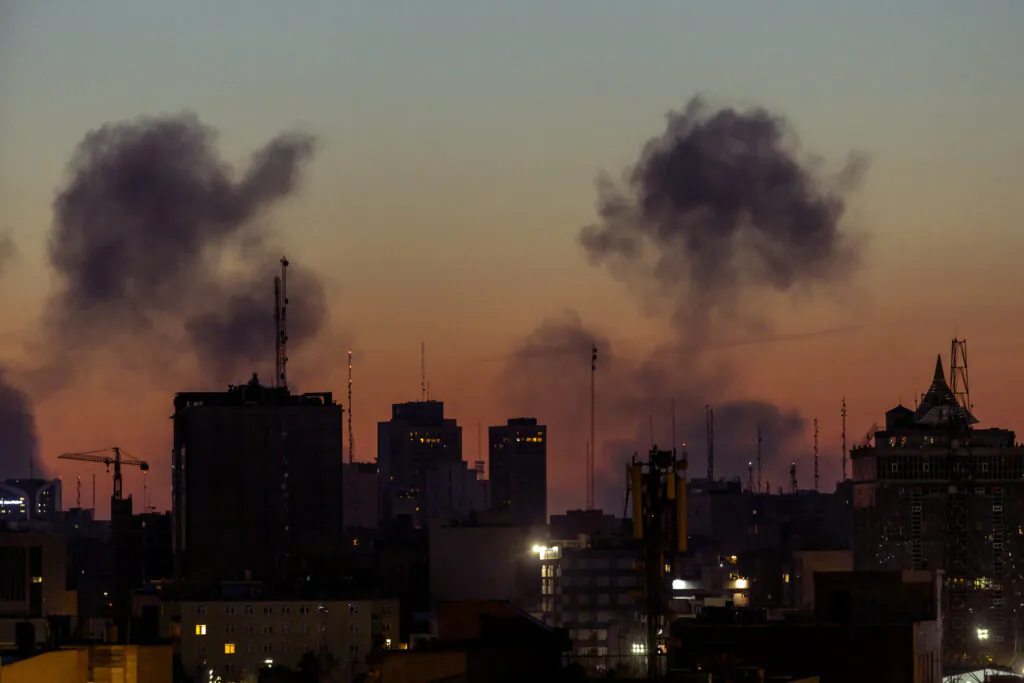
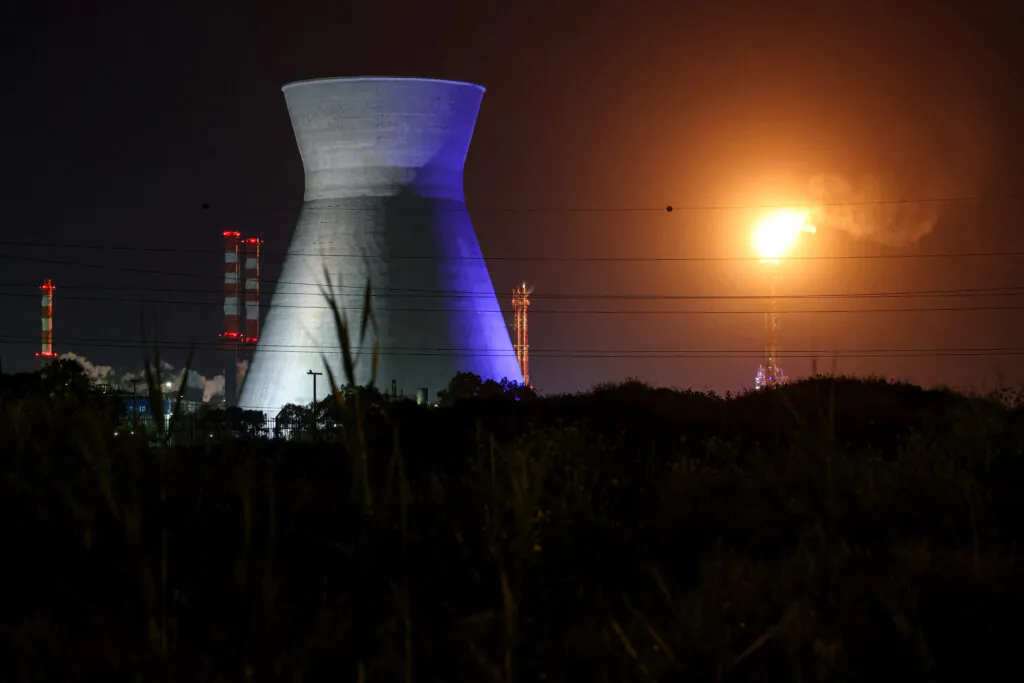
A global adaptation to a new state of the world driven by the White House’s approach to international relations will headline 2026. Efforts to de-escalate the war in Ukraine will persist and gain some traction. In the Middle East, the fragile ceasefire in Gaza will hold as tensions among Israel, Syria, and Iran continue to mount. A U.S.-China trade truce will keep the Indo-Pacific relatively stable economically, as the rival powers continue to vie for influence with diplomatic and security repercussions that extend well beyond the region. Global trade flows are expected to stabilize, supported by improving logistics conditions and more resilient supply-chain networks. At the same time, renewable energy will expand through new installations and a rising share in power generation, reinforced by efficiency gains from AI-driven technologies. Deteriorating humanitarian conditions in Sudan and the Democratic Republic of the Congo, the possibility of armed conflict in Venezuela, and youth-driven protest movements will pose destabilization risks to various degrees around the world.

Global Hotspots: 2025 in Review

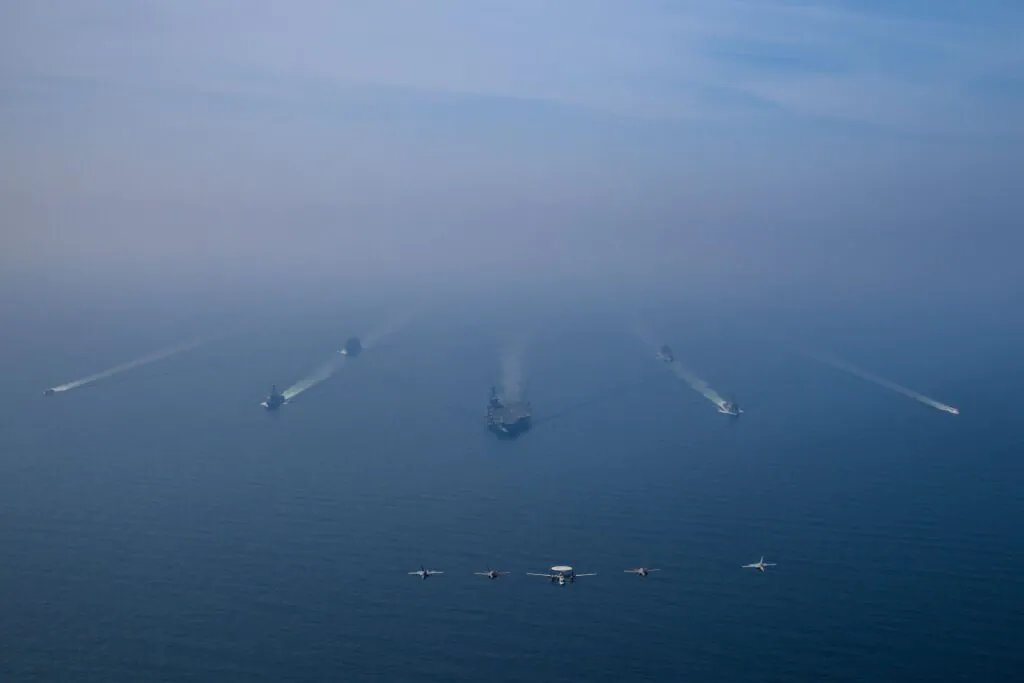
This week, U.S.-Venezuela tensions escalated as U.S. forces boarded and seized a sanctioned oil tanker off Venezuela’s coast. In the Russia-Ukraine conflict, Ukraine launched drone attacks against Moscow and Russian shadow fleet tankers in the Black Sea, while European leaders held a phone call with U.S. President Donald Trump to advance peace efforts. In the Indo-Pacific, fighting resumed between Thailand and Cambodia, and the U.S. conducted a joint military drill with Japan in response to Chinese military deployments near Japanese airspace. In the Middle East, Israel-Hamas ceasefire efforts stalled over issues dealing with the disarmament of Hamas, and Trump delayed the announcement of members of the Gaza Board of Peace until next year.