A global adaptation to a new strategic environment will define 2026, driven by the White House’s approach to international relations. Though Washington will continue pursuing de-escalation in select conflict zones, the year ahead will be marked by persistent geopolitical frictions, intensifying hybrid competition, and acute humanitarian pressures.
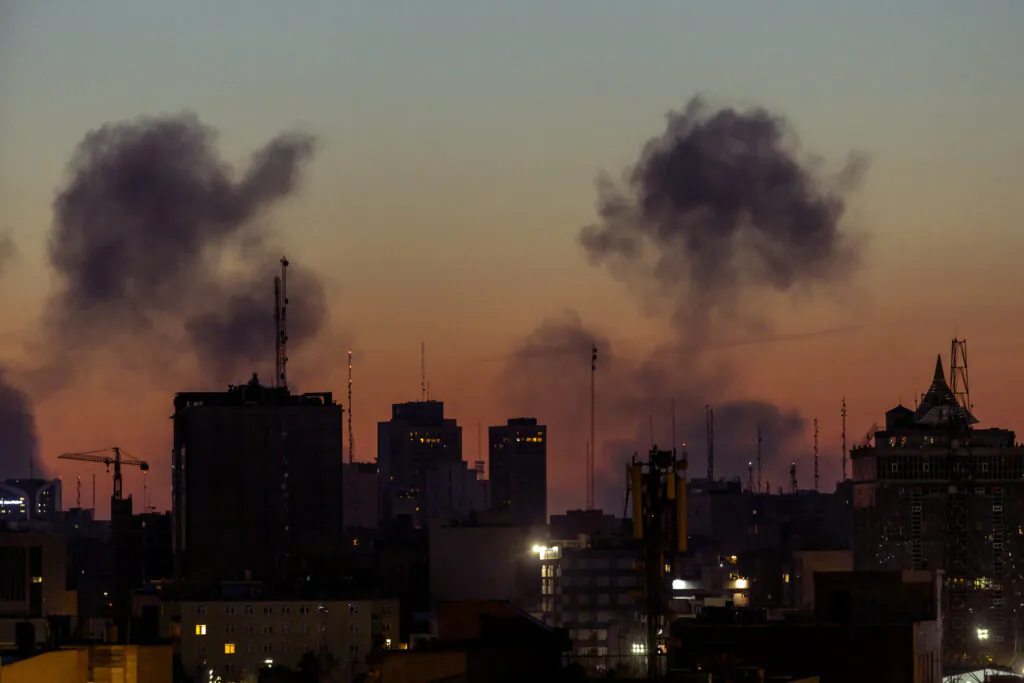
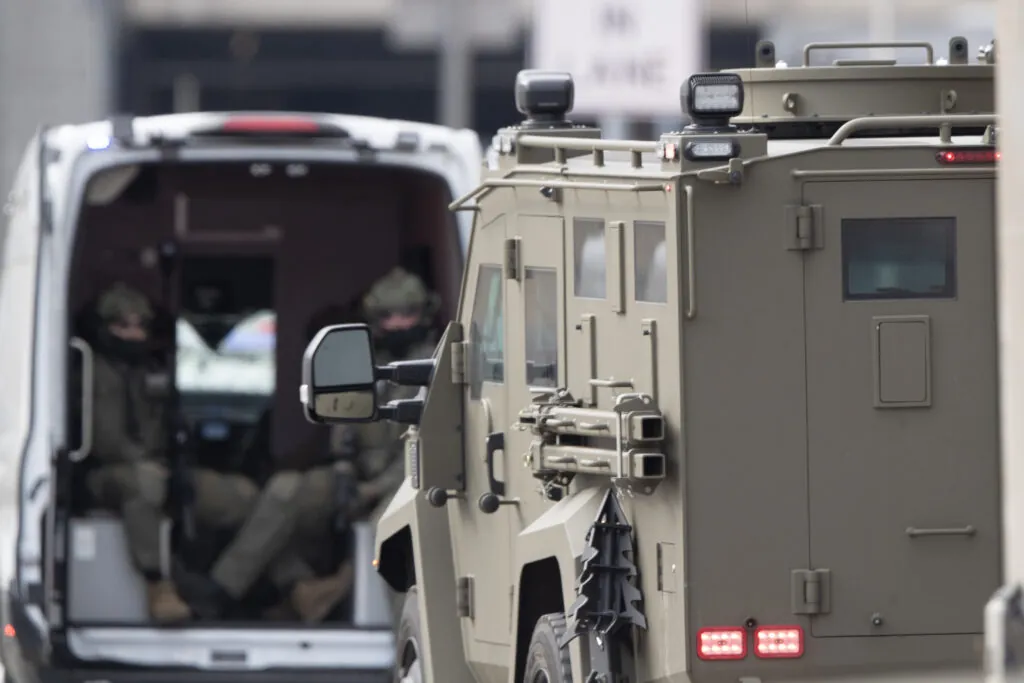
Humanitarian conditions in Sudan and the Democratic Republic of the Congo will most likely continue to deteriorate. In the Western Hemisphere, U.S.–Venezuelan tensions are expected to remain elevated following a sharp escalation in 2025. The United States will likely extend the deployment of significant military assets off Venezuela’s coast and expand the scope and intensity of ongoing counternarcotics and security operations. The likelihood of a negotiated departure by President Nicolás Maduro remains low. Trump will likely authorize covert action to topple Maduro, and potential direct military strikes inside Venezuelan territory will remain elevated, despite possible constraining pressure from congressional oversight. Youth-driven protest movements will continue to pose destabilization risks as mounting pressure leads to destabilizing confrontations with governments.
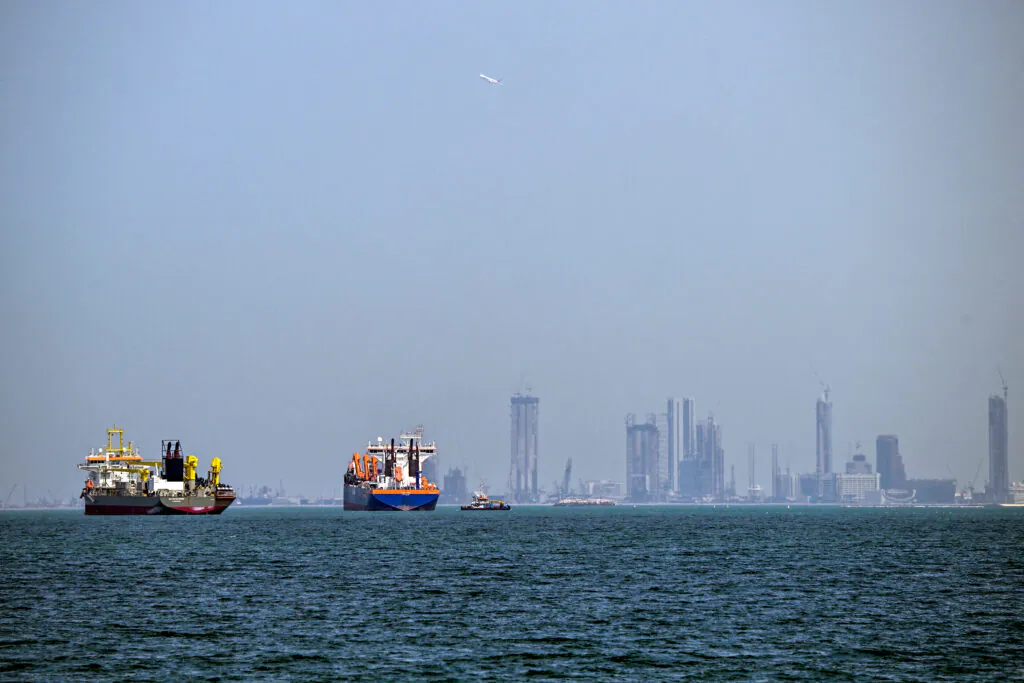
Global trade flows are expected to stabilize relative to 2025 as new norms with tariffs and other forms of restrictions set in. Although the White House will likely target select countries and sectors, overall restrictions are expected to decrease. A net lifting of tariffs is likely, but sanctions will remain, particularly as U.S.–China tensions persist over critical minerals and advanced technology.
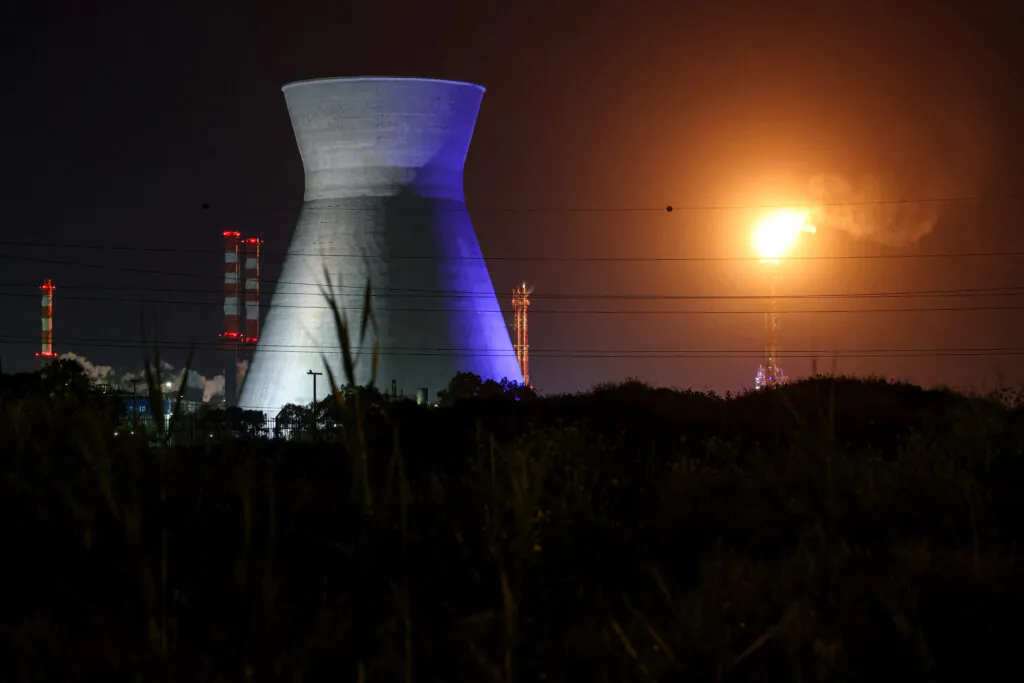
At the same time, global energy connectivity will be reshaped by accelerating electrification and rising electricity demand driven by AI development. Renewable energy will expand rapidly, while oil markets remain oversupplied and gas markets tighten in the U.S. and Europe.
Editor’s Note: This forecast presentation has been edited to include more information from the full report regarding developments in Venezuela. (Jan. 5, 2026)