Global Hotspots: Outlook on the U.S.-Iran Ceasefire and Japanese Force Posturing
This week, U.S. President Donald Trump extended the ongoing ceasefire with Iran, while Iran rejected negotiations with U.S. Vice President...

This week, U.S. President Donald Trump threatened to impose severe sanctions on Russia if it does not engage in ceasefire talks with Ukraine, while U.S. officials met with Ukrainian President Volodymyr Zelenskyy in Kyiv to discuss the delivery of U.S. weapons. In the Indo-Pacific, Australia and China hailed a reset in their trade relations following […]
The Geopolitical Hotspots Monitor examines the outlook for key geopolitical hotspots around the world.
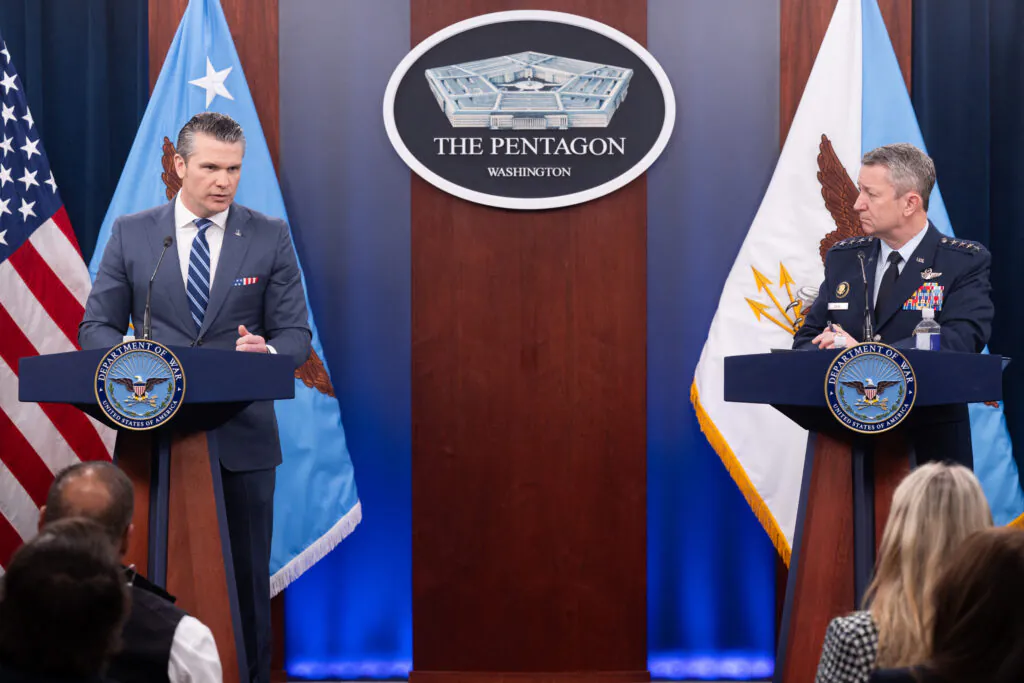
The Russia/Ukraine war trended toward hybrid escalation as Trump threatened Russia with “severe” new economic sanctions of “about 100%” if a ceasefire agreement was not reached in Ukraine in a 50 days. Trump met with NATO Secretary General Mark Rutte on July 14 to discuss selling U.S. weapons to NATO allies that would then pass them on to Ukraine. The same day, U.S. Special Envoy Keith Kellogg met with Zelenskyy in Kyiv to discuss delivery of weapons systems, the peace process, and the possibility of additional U.S. sanctions against Russia. Meanwhile, Russia continued wide-scale bombing of Ukrainian cities and energy infrastructure.
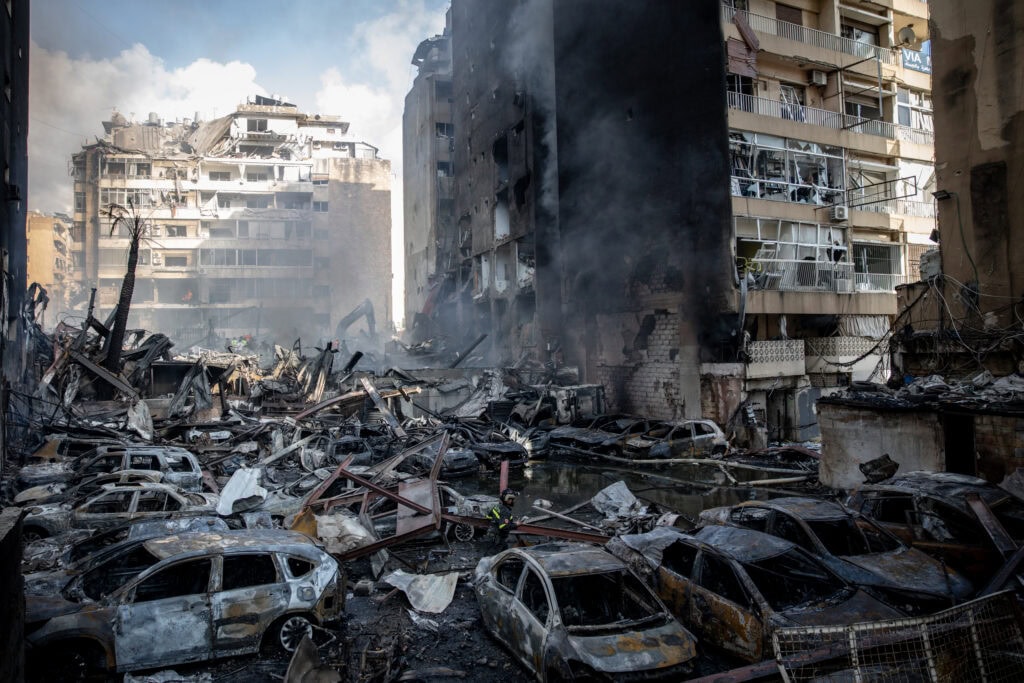
The Middle East trended toward military escalation as Israel bombed Syrian government security personnel and infrastructure in the province of Suwayda, as well as the Syrian Defense Ministry in Damascus, in response to fighting between government forces and Druze militias that resulted in an estimated 600 deaths. Syrian government forces began to withdraw from Suwayda after agreeing to a tentative truce with Druze leaders on July 16. Israeli airstrikes targeting Hezbollah targets in Lebanon killed at least 12. The Iranian parliament issued a statement against resuming nuclear negotiations until unspecified “preconditions” were met. The U.S., France, Germany, and U.K. threatened further economic action against Iran if a nuclear deal is not reached by the end of August. Trump hosted Qatari Prime Minister Sheikh Mohammed bin Abdulrahman al-Thani at the White House, as Gaza ceasefire negotiations continued between Israel and Hamas in Doha and Israeli airstrikes in Gaza killed dozens of Palestinians.
The Indo-Pacific trended toward diplomatic de-escalation this week, as Albanese visited China for meetings with Xi as well as business and political leaders in Shanghai and Beijing, hailing a renewal of trade relations. Paraguay announced it was preparing for a visit from Lai, which may involve a stop in the U.S. that could draw a response from Beijing. Trump announced he had agreed to a trade deal with Indonesia, lowering the previously threatened 32% tariffs on Indonesian imports to 19%. U.S. chipmaker Nvidia unveiled plans to ramp up delivery of advanced microchips to China in accordance with recent easing of tech export restrictions.
Trump supporters remain divided over the administration’s failure to release a client list of financier and sex offender Jeffrey Epstein, despite campaign promises to do so. Trump called on Attorney General Pam Bondi to release “whatever she thinks is credible.” Forecast – political destabilization scenario
Details have emerged surrounding a secret relocation plan that brought thousands of Afghan citizens to the U.K. following a major data breach in 2022 that may have put certain Afghans at risk of Taliban reprisal for aiding coalition efforts during the war. The news has sparked outrage from right-wing anti-migrant circles. Forecast – political destabilization scenario
The paramilitary Rapid Support Forces attacked several villages surrounding the city of Bara, in the North Kordofan region, resulting in more than 300 deaths. Forecast – security destabilization scenario
The Global Connectivity Tracker examines the impact of geopolitical dynamics on key themes like trade, technology, and energy/climate.

Enhancement Level: Low
Disruption level: Low
Both organizations expect both oil supply and demand to continue to grow; the differences in the reports mark only disagreements over how much. While that offers a measure of predictability for the oil market, it also signals a delay in the global energy transition to lower carbon-emitting energy sources.
An OPEC report forecasts that global oil demand will continue to climb, reaching 111.6 million barrels per day (bpd) by 2029. Meanwhile, the International Energy Agency (IEA) expects global oil supply to outstrip demand by a factor of three through the end of 2025.
Although OPEC adjusted its forecast through 2029 downward based on slowing demand in China, it still expects the developing world to offset that drop with increasing consumption, predicting global demand to continue to rise to reach 122.9 million bpd by 2050. The IEA analysis, meanwhile, was less bullish on the shorter-term prospects for demand growth, trimming expected expansion in demand by the end of 2025 to 704,000 bpd, down 20,000 bpd from its previous estimate. That slowing growth, combined with output increases by OPEC members, will cause supplies to climb by 2.1 million bpd in 2025 and 1.3 million bpd in 2026, the agency said.
Enhancement Level: Medium
The Trump administration is providing the financial support to boost the development of AI data center and energy infrastructure to expand power generation and preserve the U.S. edge on AI and emerging technologies.
President Donald Trump on Tuesday announced more than $90 billion in artificial intelligence and energy investments.
The funds are part of efforts by the Trump administration to speed up the development of new and emerging technologies. This initiative will promote AI by encouraging private-sector investments, reducing regulatory burdens, and speeding project approvals. The goal is to attract tech companies to invest in building AI data centers, expand power generation, upgrade and modernize grid infrastructure, and develop AI training programs.
Enhancement Level: Medium
Despite the increasing share of renewables in Europe’s energy mix, the use of fossil fuel-fired generation also climbed in the first half of the year, up 13 percent from the same period in 2024. European power demand also rose 2.2 percent from January through June.
In June, solar energy surpassed all other forms of electricity generation in Europe for the first time, marking a milestone in the continent’s shift toward renewable energy. Solar held a 22% share of the European energy generation picture, generating 45.4 terawatt-hours of electricity, energy think tank Ember noted. Nuclear and wind followed at 21.8% and 15.8%, respectively. Coal-fired generation dropped to just 6.1% of the European energy picture in the month.
Peak daylight hours in June historically drive maximum solar energy output in Europe, even as electricity demand also peaks, driven by increased heat. Nevertheless, this year’s figures reflect the progress made in the continent’s energy transition, driven by burgeoning installations of solar power facilities.
Enhancement Level: Medium
Statistics from India’s Energy Ministry show the green energy transformation is progressing and that the country is well on its way to becoming energy independent.
New and Renewable Energy Minister Pralhad Joshi said India has achieved 50% non-fossil fuel power capacity five years ahead of its 2030 Paris Agreement target.
India’s share of total power generation from coal decreased, while renewable energy from solar and wind production grew at the quickest rate since 2022. To further reduce carbon emissions and foster decarbonization of the energy sector, the Indian government is promoting green hydrogen and battery storage through policy and financial incentives to speed the energy transition and minimize fossil fuel use.
Enhancement Level: Low-Medium
Rapid economic growth and industrialization has driven increasing Chinese oil imports, with its energy security depending on oil imports, making it vulnerable to geopolitical instability in oil-exporting countries and marine shipping. Geopolitical threats to Chinese energy security can be reduced by lower oil prices. The dip in prices gives China the opportunity to mitigate threats to its energy security by allowing more oil purchases.
China’s crude oil imports surged in June to 49.89 million metric tons of petroleum, or 12.14 million bpd, making it the world’s largest importer.
This rise is due to an increase in operations at refineries after refiners returned from maintenance and higher imports from Saudi Arabia and Iran. Falling oil prices since April spurred an increase in imports of 7.1% from May, an increase of 46.6 million metric tons. That represents a 7.4% year-over-year increase from the previous June. Decreasing prices have led refineries to actively stockpile crude. The refinery output increases come ahead of what’s expected to be peak annual demand in the third quarter.
This week, U.S. President Donald Trump extended the ongoing ceasefire with Iran, while Iran rejected negotiations with U.S. Vice President...
This week, the United States imposed a blockade of Iranian ports in the Strait of Hormuz during the ongoing two-week...
This week, the U.S. and Iran agreed to a two-week ceasefire following President Donald Trump’s threats of targeting Iran’s power...
This week, the conflict in Iran intensified as the U.S. bombed military facilities on Iran’s Kharg Island and Israel bombed key Iranian energy facilities, with Iran responding...