Global Hotspots: Outlook on the U.S.-Iran Ceasefire and Japanese Force Posturing
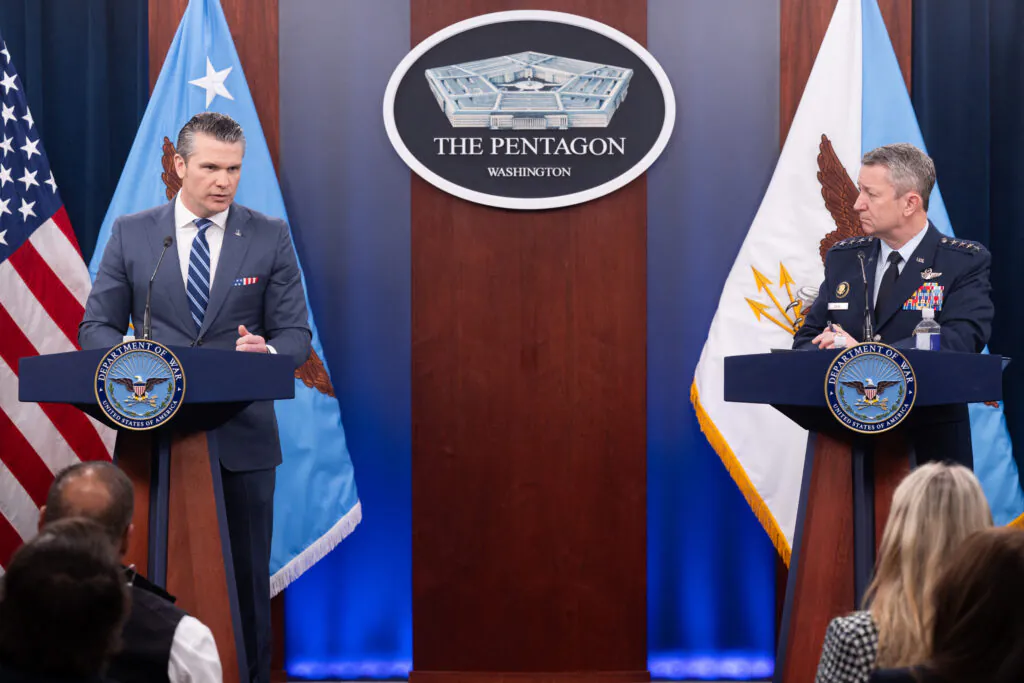
This week, U.S. President Donald Trump extended the ongoing ceasefire with Iran, while Iran rejected negotiations with U.S. Vice President...

This week, rebel groups in Syria captured Aleppo and other areas in a renewed push against Bashar al-Assad’s government, while Israel bombed Lebanon despite the cease-fire. In the Indo-Pacific, China vowed to halt all exports of critical raw minerals to the U.S. in response to the latter’s new batch of export controls targeting Chinese tech […]
The Geopolitical Hotspots Monitor examines the outlook for key geopolitical hotspots around the world.
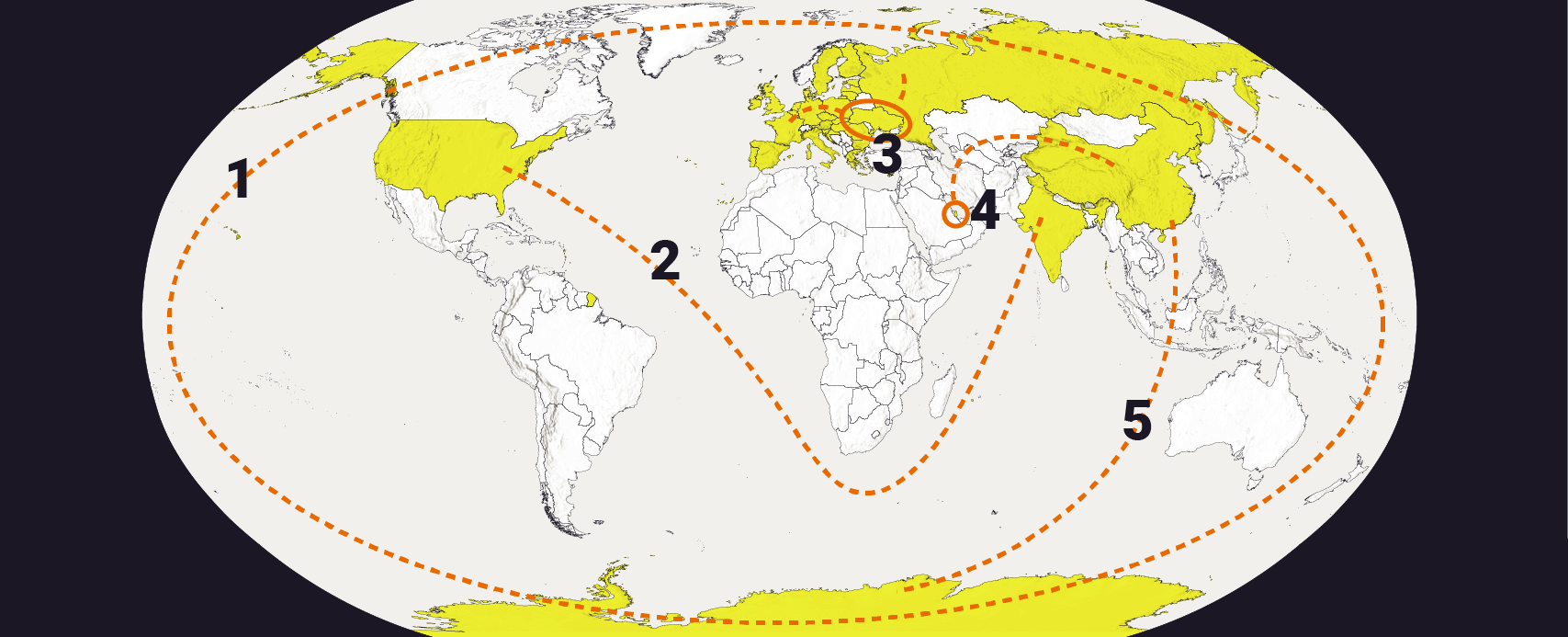
The Russia/Ukraine war trended toward military escalation and diplomatic de-escalation scenarios as Russian President Vladimir Putin renewed threats to strike Kyiv with intermediate-range ballistic missiles and approved a record increase of the Russian defense budget. A senior adviser to Ukrainian President Volodymyr Zelenskyy met with incoming Trump national security officials in Washington, D.C., and Zelenskyy expressed willingness to cede territory in exchange for a NATO security deal.
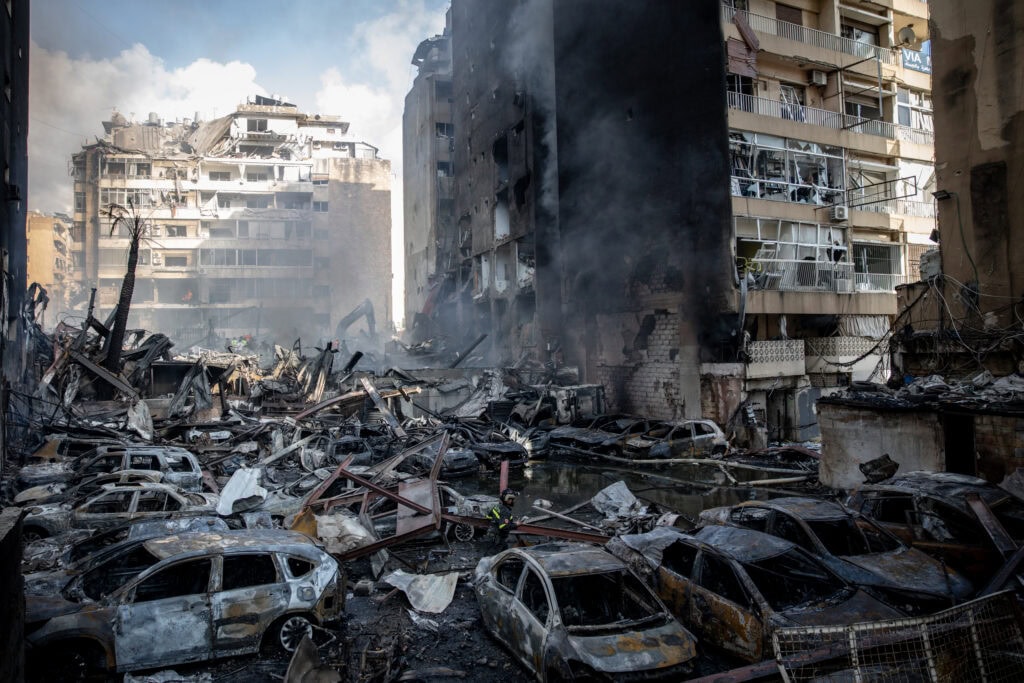
Conflict in the Middle East trended toward military escalation and diplomatic de-escalation scenarios as rebels in Syria captured the city of Aleppo and Hama following a surprise resumption in fighting. Meanwhile, U.S. Secretary of State Antony Blinken said the cease-fire in Lebanon was “holding” despite Israeli bombings against Hezbollah positions in Lebanon and Syria. Senior Israeli security officials arrived in Cairo to participate in Hamas hostage release negotiations. Hamas and Fatah agreed on the structure of a joint administration of post-war Gaza.
Tensions in the Indo-Pacific trended toward a hybrid escalation scenario, as China announced it would ban critical minerals exports to the U.S. following new U.S. trade restrictions against Chinese tech companies. South Korean President Yoon Suk-Yeol is facing possible impeachment after having declared martial law, a decision that was swiftly reversed following unanimous domestic opposition. Chinese and Philippine coast guards clashed near the Scarborough Shoal in the South China Sea, and a Myanmar rebel group unilaterally called for a cease-fire with the military government.
The Global Connectivity Tracker examines the impact of geopolitical dynamics on key themes like trade, technology, and energy/climate.
Enhancement Level: Low
While oil-producing countries favored voluntary provisions to address plastic waste, their opposition to a mandatory production cap, a proposal strongly favored by other countries, may prevent a robust agreement from being reached.
U.N. talks on a legally binding treaty to address the problem of plastics pollution hit an impasse over questions of scope and financing, prompting negotiators to postpone further action. The chief point of contention, a cap on plastics production backed by over 100 of the over 170 countries involved in the talks, was opposed by several oil-producing states.
The production of plastics is set to triple by 2050, making managing the growing issue of waste even more challenging. As plastics break down in the environment, a growing amount of microplastic contamination has been found in the atmosphere, in crops, and in the human body. Besides pollution, the treaty also would address issues of chemical compounds used in the creation of plastics and of financing to help developing countries abide by the treaty’s terms, if any agreement can be reached.
Disruption level: Medium/High
Such allegations could disrupt investor confidence and funding, posing challenges to India’s broader renewable energy targets.
U.S. prosecutors have accused executives of Indian renewable energy company Adani Green of bribery and providing misleading information to U.S. investors.
The allegations include the payment of $265 million in bribes to secure power supply contracts in India and influence investor confidence. While project developer the Adani Group denies the accusations, it has raised concerns about the company’s ability to attract new capital for renewable energy projects amid regulatory scrutiny. Following the indictment, Adani Green’s market value dropped by $9.6 billion, prompting investors like TotalEnergies, which holds a 19.8% stake in the venture, to suspend further investments. This development could also jeopardize plans by the Adani Group’s chairman, Gautam Adani, to build a 50 gigawatt energy park in Gujarat by 2030, which was expected to contribute approximately 10% of India’s renewable energy target.
Disruption level: Medium
This decision will slightly reduce Russian's gas exports to the EU, but few European countries will be affected. Besides the loss of transit fees, Ukraine now faces the risk of wider attacks on its energy infrastructure.
Russian state-owned natural gas provider Gazprom plans to stop supplying gas to Europe via Ukraine as of Jan. 1, 2025.
In 2025, Gazprom’s gas shipments to Europe and Turkey will drop by 20%. The predicted gas shipments will be slightly under 39 billion cubic meters (bcm) in 2025, from the expected 49 bcm this year. Russian gas imports to Europe via Ukraine fell from 11% of the EU’s total supply in 2021 to 5% in 2024. The EU is replacing Russian gas with LNG imports, but Austria, Hungary, and Slovakia, which received 65% of their gas through the Ukrainian transit route in 2023, will be affected. Ukraine stands to lose up to $1 billion per year in transit fees by allowing its energy transit deal with Russia to expire. The natural gas infrastructure in Ukraine, which until now has remained mostly undisturbed, has the potential to become a target for Russia’s military operations.
Enhancement Level: Medium
With growing Asian demand for LNG, a stable cash flow, reduced expansion risks, and the collaboration with a respected multinational company like Shell, this deal promises numerous upsides for Qatari LNG development.
State-owned QatarEnergy has signed a long-term deal with Shell to supply LNG to China.
The contract shows that the Chinese market for LNG is growing. China has the most LNG import capacity under development, with about 226 million metric tons planned or under construction. This contract will strengthen QatarEnergy’s collaboration with Shell and meet Shell’s Chinese and global LNG clients. Qatar, the third-largest LNG exporter after the U.S. and Australia, will continue to take the lead on LNG exports as Asian economies grow. This long-term contract will help Qatar stabilize cash flows and reduce risks for LNG expansion projects. As LNG replaces coal for electricity generation to meet Asia’s climate goals, long-term LNG agreements will help Qatar Energy and Shell increase profits.
Enhancement Level: Low/Medium
While this initiative may intensify geopolitical competition in Antarctica, it offers a valuable opportunity to advance global climate research and foster international scientific collaboration.
China established its first Antarctic atmospheric monitoring station, underscoring its commitment to global climate monitoring and mitigation.
Located in the Larsemann Hills of East Antarctica, the Zhongshan National Atmospheric Background Station officially began operations on Dec. 1, marking China’s first overseas atmospheric monitoring facility. It focuses on conducting long-term observations of changes in atmospheric components in Antarctica and examining the environmental impacts of human activities. This development is part of China’s broader efforts to expand polar research, which include five Antarctic and two Arctic research stations, as well as initiatives to protect marine biodiversity, such as a surveillance network for monitoring Antarctic krill to support marine ecological conservation. This signals China’s long-term interest in the Antarctica and its advanced technological capabilities in operating specialized research infrastructure in extreme environments.
This week, U.S. President Donald Trump extended the ongoing ceasefire with Iran, while Iran rejected negotiations with U.S. Vice President...
This week, the United States imposed a blockade of Iranian ports in the Strait of Hormuz during the ongoing two-week...
This week, the U.S. and Iran agreed to a two-week ceasefire following President Donald Trump’s threats of targeting Iran’s power...
This week, the conflict in Iran intensified as the U.S. bombed military facilities on Iran’s Kharg Island and Israel bombed key Iranian energy facilities, with Iran responding...