Global Hotspots: Outlook on the U.S.-Iran Ceasefire and Japanese Force Posturing
This week, U.S. President Donald Trump extended the ongoing ceasefire with Iran, while Iran rejected negotiations with U.S. Vice President...

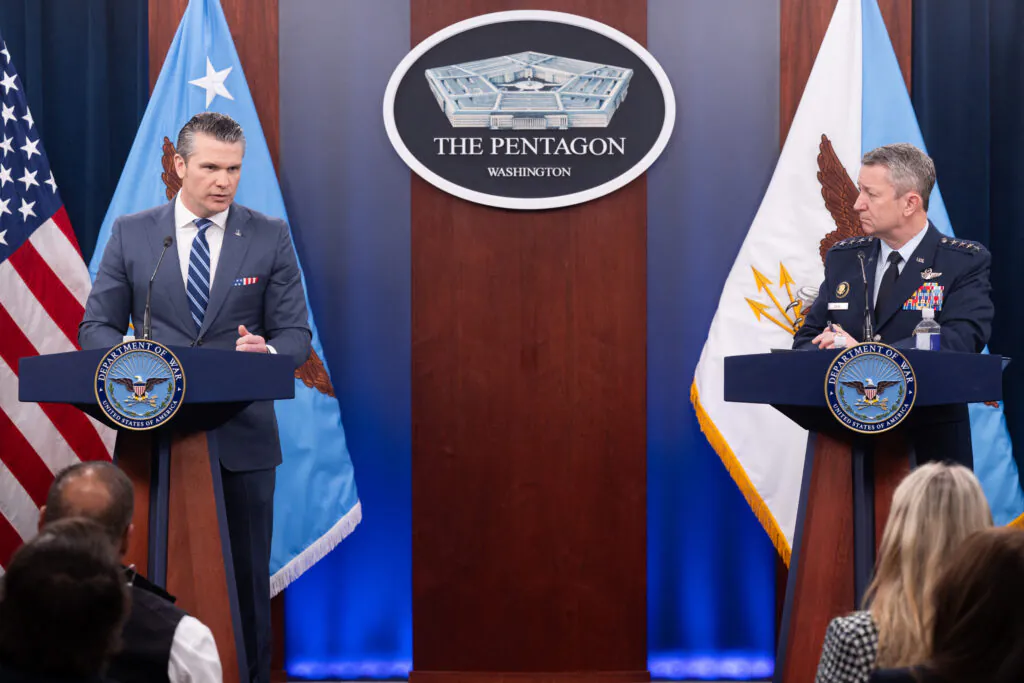
This week, the U.S. Defense Department confirmed that North Korean troops have been deployed to Russia’s Kursk region, while Ukraine and South Korea agreed to deepen intelligence exchanges. In the Middle East, Israel conducted airstrikes against Iranian military infrastructure and passed a law preventing UNRWA workers from operating in Israel. In the Indo-Pacific, the U.S. […]
The Geopolitical Hotspots Monitor examines the outlook for key geopolitical hotspots around the world.
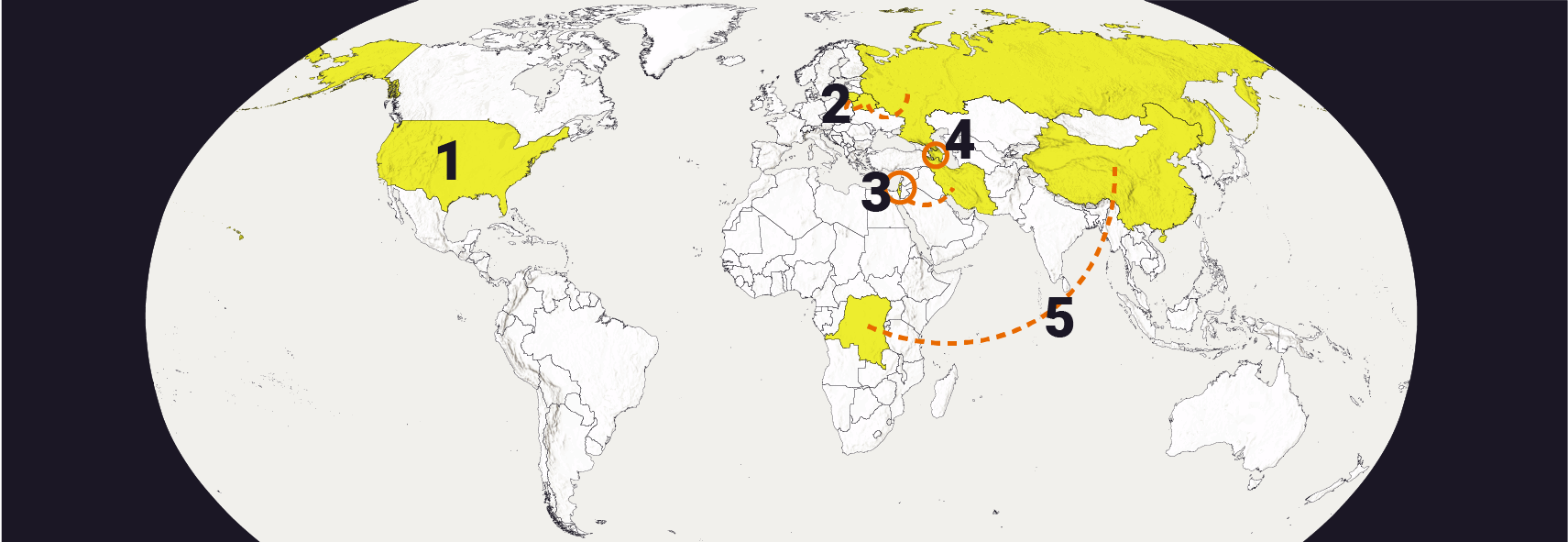
The Russia/Ukraine conflict trended toward military escalation and diplomatic de-escalation scenarios, as North Korean troops were confirmed to be in Kursk and Russia made advances in Donetsk. Ukrainian President Volodymyr Zelenskyy expressed support for Indian President Narendra Modi to mediate peace efforts, and Finnish President Alexander Stubb discussed potential resolutions to the conflict with Chinese President Xi Jinping.
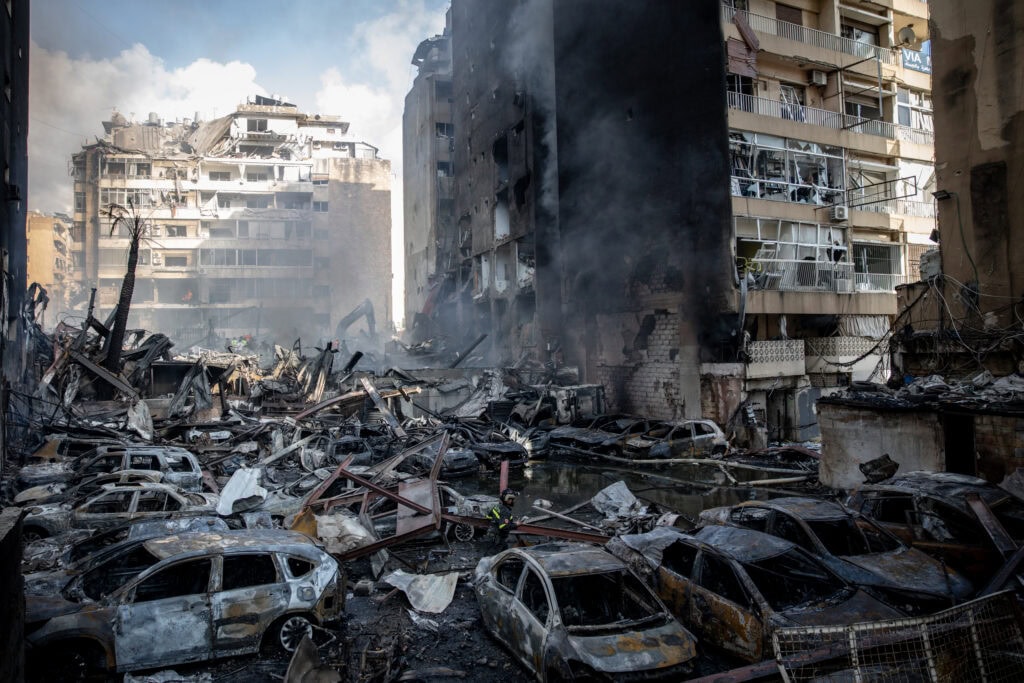
Tensions in the Middle East trended toward military escalation and diplomatic de-escalation scenarios , as Israel hit Iranian military infrastructure with airstrikes and continued operations in Gaza and Lebanon. Israeli intelligence reported Iran is planning a large-scale attack against Israel from Iraq. Egypt proposed a short-term cease-fire deal in Gaza, and the U.S. pushed for the implementation of U.N. Security Council Resolution 1701, which would require the withdrawal of Israeli forces from Lebanon. South Africa continued its case in the International Court of Justice accusing Israel of genocide in Gaza.
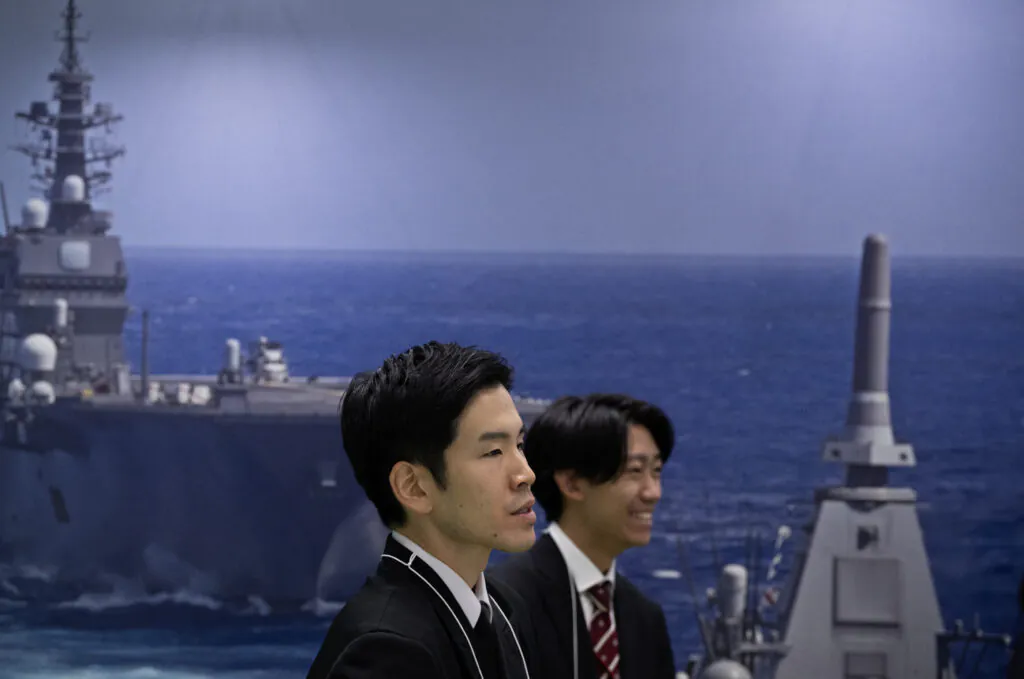
Tensions in the Indo-Pacific trended toward military and hybrid escalation scenarios as the U.S. approved new military aid packages to Taiwan and the Philippines. Japan’s Liberal Democratic Party failed to gain a majority in the Diet, though Prime Minister Shigeru Ishiba will remain in power for the time being. The U.S. unveiled new guidelines for investments in China and outlined a strategy for the use of artificial intelligence in the military. China and India have started a troop disengagement process along their contested border.
‘The Global Connectivity Tracker examines the impact of geopolitical dynamics on key themes like trade, technology, and energy/climate.
Enhancement Level: Medium
While the recent news represents bright spots for the U.S. lithium industry, the uncertain economics of developing domestic extraction and processing capabilities means the country will likely continue to rely on imported lithium for the foreseeable future, carrying with it the risks of supply chain disruption.
Weeks after the announcement that discovery of a significant lithium deposit in Arkansas was made, the U.S. Bureau of Land Management (BLM) gave final permit approval for a lithium/boron mine in Nevada as part of a strategy to boost domestic supplies of the metal, which is crucial to production of rechargeable batteries.
Chile and Argentina supply the U.S. with over 90 percent of its raw lithium supply, which is processed largely by facilities in Canada. The new Nevada mine is scheduled to come fully online in 2028 to become only the third U.S. source for mined lithium. It will have its own processing facilities and could produce enough lithium to support the production of about a third of a million electric vehicles a year, the BLM reported. Meanwhile, the U.S. Geological Survey (USGS) announced the discovery of an estimated 5 million to 13 million tons of lithium dissolved in underground brine reservoirs in Arkansas. The material was found in the Smackover Formation, a geological feature that stretches from Texas to Florida. Companies there are studying ways to extract that lithium directly from the water, a process less prone to contamination of fresh groundwater than evaporative methods commonly used in South America.
Enhancement Level: Medium
This is a significant achievement for the synchronization of the power system with Western Europe. This ambitious initiative in the Baltics aimed at achieving energy independence from Russia.
Lithuanian electricity transmission system operator Litgrid will disconnect power transmission lines with Russia and Belarus to synchronize Baltic energy systems with Western Europe.
The electrical grid operators of Estonia, Latvia, and Lithuania informed Russia and Belarus in July that they will exit the Russia power system and terminate a 2001 deal known as the BRELL agreement that connected them to Moscow’s transmission system. Connections are set to be disconnected on Feb. 8, 2025, when the agreement expires. The Baltic countries have already stopped purchasing electricity from Russia to minimize their reliance on Moscow following Russia’s invasion of Ukraine.
Enhancement Level: Medium
Further political de-escalation between Israel and Iran will help oil prices to remain low and lessen supply disruption in the region. This is also seen as an opportunity for oil-importing countries and energy-reliant industries to manage costs and strengthen their economies. This of course is contingent on how long the stability and lower prices last and if demand pressures from regions like China remain subdued.
Global oil prices fell this week following Israel’s limited attacks on Iran.
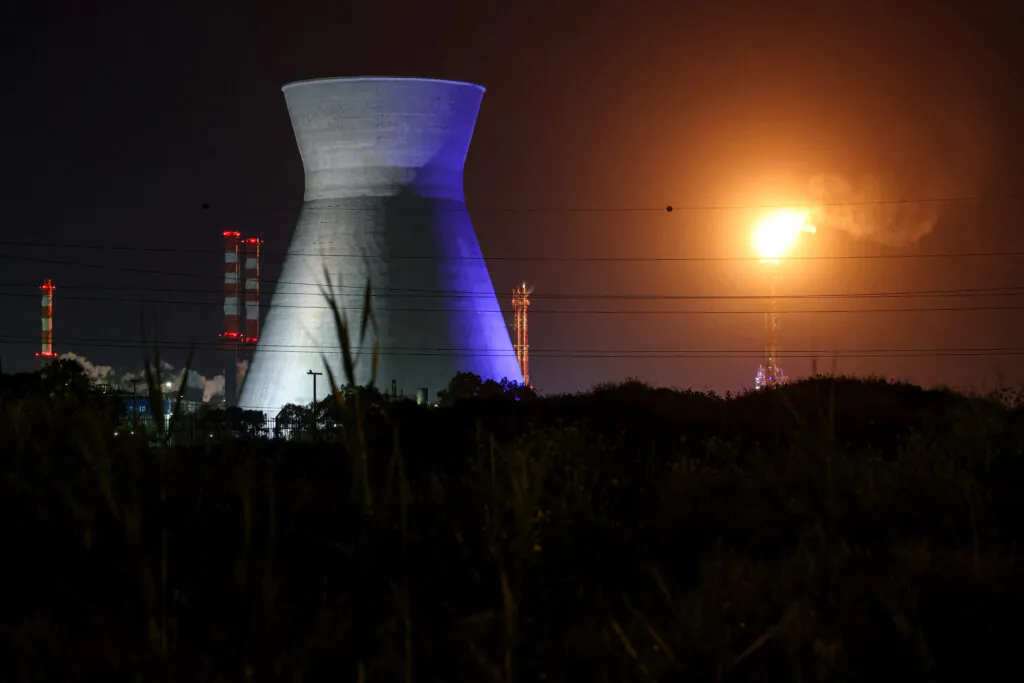
Anticipation was high regarding the potential impact on energy prices from an Israeli attack on Iran, especially with concerns about strikes targeting oil and nuclear facilities. However, Israel’s decision to conduct a limited operation focusing on military assets helped to lower the risk of a significant supply disruption in the region. In response, Iran’s Supreme Leader Ayatollah Khamenei delivered a speech stating that Iran would not retaliate directly, which further eased tensions and contributed to the stabilization of oil prices. Following the incident, Brent crude prices dropped from $76.05 to below $72, while West Texas Intermediate fell from $71.78 to $68.01. Additional factors driving the price drop include declining global oil demand and high levels of spare capacity, particularly in China.
Disruption level: Medium-high
At the global level, the countries are required to cut their emissions by 50% by 2030 and reach net-zero emissions by 2050. Azerbaijan's energy and climate policies, which prioritize gas production expansion and exports, contradict the COP climate action goal to keep global warming limit below 1.5°C and to achieve the net zero emissions.
Azerbaijan, which is set to host the COP29 global climate summit in November, plans to significantly increase production of fossil gas over the next ten years.
Azerbaijan plans to expand gas production by 32% in response to increasing European demand caused by supply disruptions from Russia. An agreement between Azerbaijan and the EU aims to double gas exports by 2027.
Disruption level: Low-medium
In the short-term, this could be seen as a risk as immediate cobalt needs are likely to remain tied to China-controlled sources. However, it presents a strategic opportunity for the U.S. to build a more resilient, diversified supply chain over time.
China’s critical mineral dominance in the Democratic Republic of the Congo (DRC) is hindering U.S. efforts to reduce dependency on Chinese-controlled resources in its supply chain.
According to a study by Benchmark Mineral Intelligence, approximately two-thirds of cobalt production in the DRC is controlled by China. This dominance places China as a “Foreign Entity of Concern” (FEOC) under the U.S. Inflation Reduction Act. Additionally, 60% of the global cobalt supply mined in 2024 is projected to come from sources either classified or at high risk of FEOC classification. While U.S. investment in the Lobito Corridor and other projects aims to diversify cobalt supply chains, reliance on the DRC’s high-grade cobalt remains substantial.
This week, U.S. President Donald Trump extended the ongoing ceasefire with Iran, while Iran rejected negotiations with U.S. Vice President...
This week, the United States imposed a blockade of Iranian ports in the Strait of Hormuz during the ongoing two-week...
This week, the U.S. and Iran agreed to a two-week ceasefire following President Donald Trump’s threats of targeting Iran’s power...
This week, the conflict in Iran intensified as the U.S. bombed military facilities on Iran’s Kharg Island and Israel bombed key Iranian energy facilities, with Iran responding...