Global Hotspots: Outlook on the U.S.-Iran Ceasefire and Japanese Force Posturing
This week, U.S. President Donald Trump extended the ongoing ceasefire with Iran, while Iran rejected negotiations with U.S. Vice President...

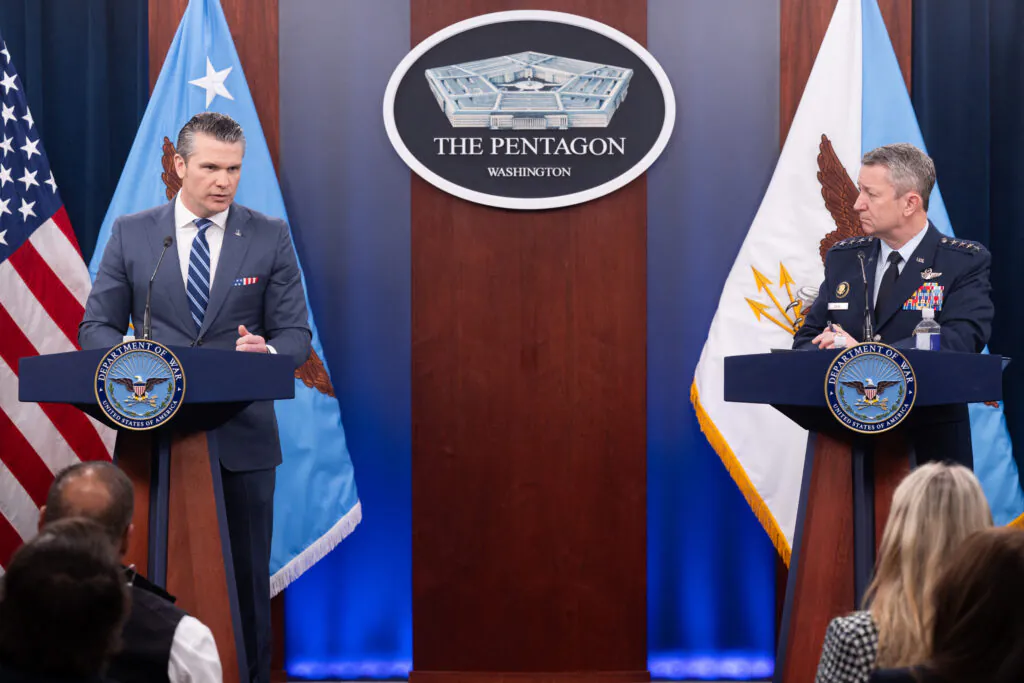
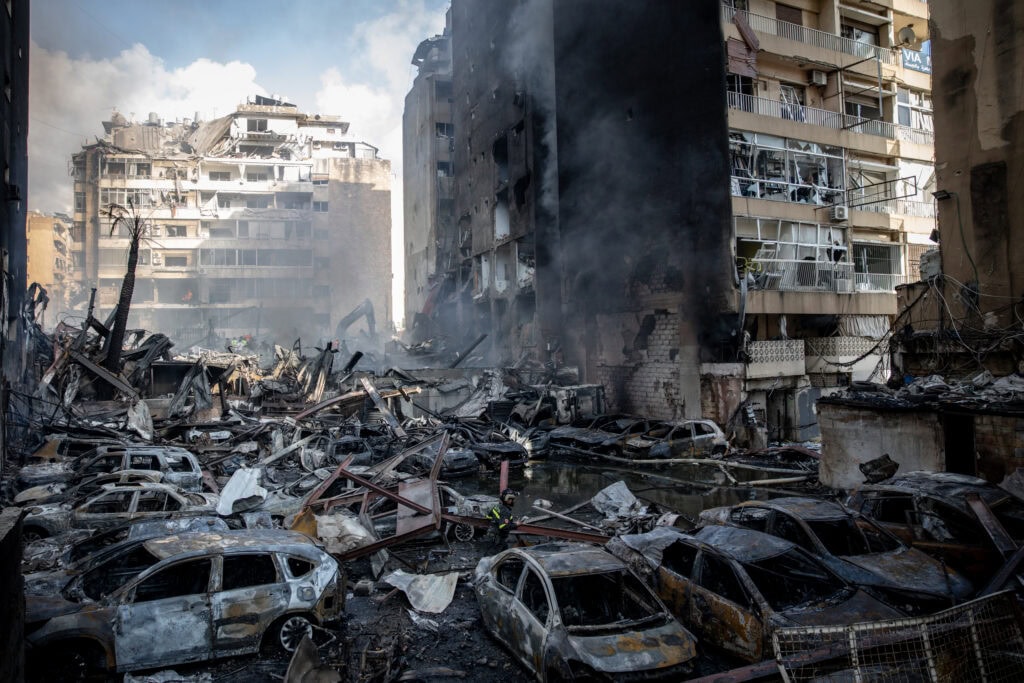
This week, Israel targeted Hezbollah with a major sabotage operation that killed more than two dozen and injured thousands in Lebanon. In the Indo-Pacific, a Chinese aircraft carrier sailed through Japanese contiguous waters, and the U.S. is facing TikTok in court while having disrupted a new major Chinese hacking group. In Ukraine, Russian forces made […]
The Geopolitical Hotspots Monitor examines the outlook for key geopolitical hotspots around the world.
Conflict in the Middle East trended toward military and hybrid escalation scenarios as an Israeli sabotage operation killed over two dozen and wounded thousands in Lebanon and Syria, and Israel said it would expand military operations against Hezbollah. The U.S. continues to engage with Egyptian and Qatari mediators over a cease-fire and hostage release deal. U.S. security agencies confirmed Iranian hackers previously sent stolen information to campaign staffers working for President Joe Biden.
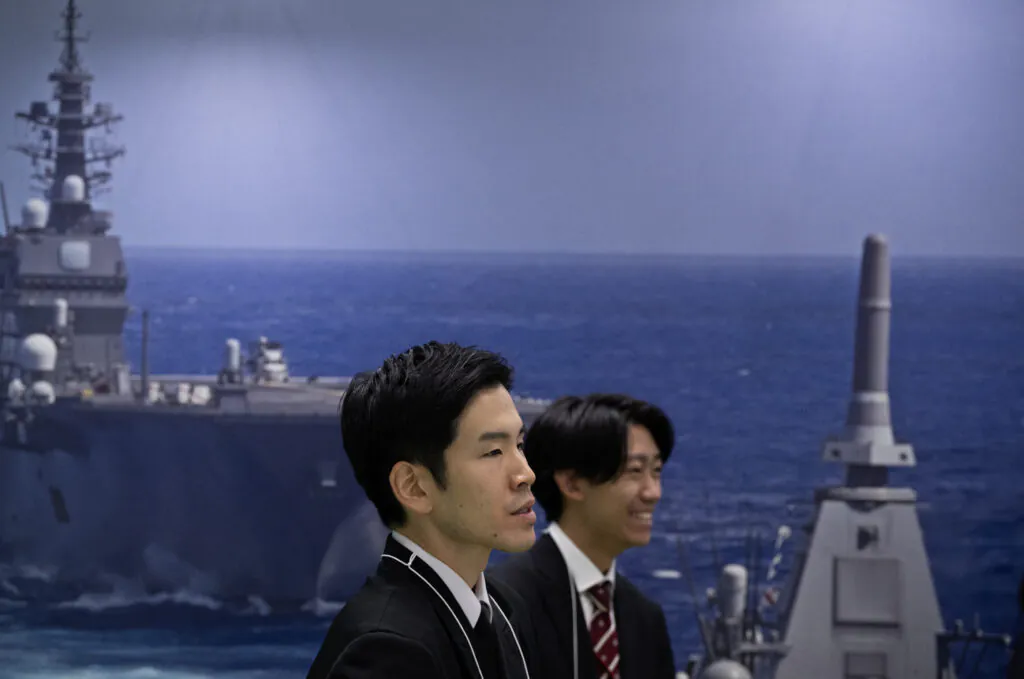
Tensions in the Indo-Pacific trended toward a military escalation scenario as a Chinese aircraft carrier was spotted sailing close to Japan. Australia said it intends to boost its naval footprint in the South China Sea. Beijing imposed new trade barriers against Taiwan, and the U.S. disrupted a new Chinese hacking group operating in the U.S. The U.S. government faced social media company TikTok in court.
The Russia/Ukraine conflict trended toward military and hybrid scenarios as Russia made advances in Donetsk and continued its counteroffensive in Kursk. A Ukrainian drone strike destroyed a large weapons depot northwest of Moscow. Denmark pledged further F-16 deliveries to Ukraine, and the EU pledged to support energy and humanitarian initiatives in Ukraine using frozen Russian assets.
‘The Global Connectivity Tracker examines the impact of geopolitical dynamics on key themes like trade, technology, and energy/climate.
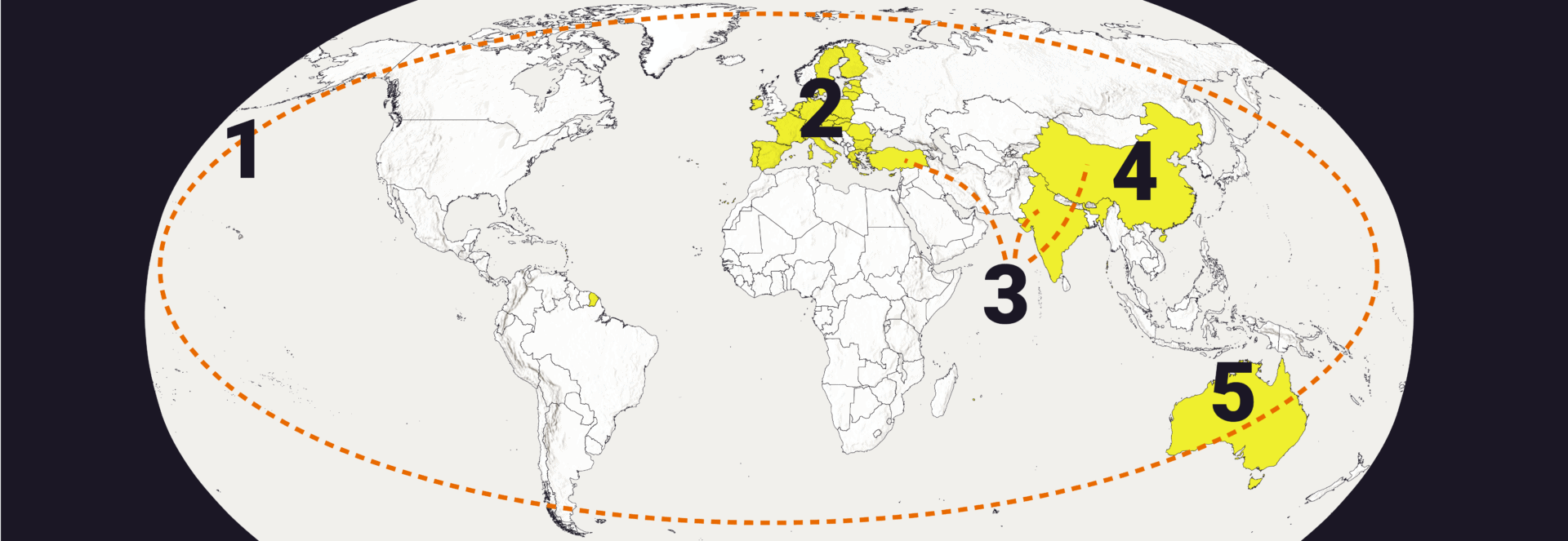
Enhancement Level: Medium
Despite some short-term price fluctuations, copper’s ubiquity in a number of growing energy sectors is expected to continue to propel demand forward.
The global demand for copper is expected to rise significantly over the coming decades, climbing more than 70% over current levels by 2050, according to a forecast by mining giant BHP.
Increasing development of artificial intelligence applications, the continuing push to decarbonize the energy sector, and the increasing production of electric vehicles all will drive copper use, with a BHP analyst citing the creation of data centers for AI as a chief factor in increasing demand, the Financial Times reported. While the amount of copper used to build computers in the data centers is expected to decline, analysts point out that increasing amounts of copper will be needed for their operational systems, including for power lines and cooling systems. In the short term, copper prices have declined from the first half of 2024 in response to China’s cooling economy.
Disruption level: Medium
Negative pricing has increased in various European wholesale electricity markets as countries increase renewable energy output to achieve sustainability targets. Renewables growth must be complemented by infrastructure improvements, including grid expansion and interconnection between countries; grid flexibility, the ability to adjust production rates to match supply and demand-side management; and development of energy storage mechanisms, batteries and green hydrogen.
As European solar and wind power development has outpaced power storage capacity, energy prices fell below zero for a record number of hours this year.
Electricity prices are extremely volatile and sensitive to rapid demand or supply changes. Renewable energy is growing rapidly in Europe, and electricity plants are generating more power than they need, forcing them to pay energy firms to discharge it. This negative electrical energy cost is beneficial for consumers, but it threatens Europe’s renewable energy projects, which are essential to meeting net-zero emission targets. If renewable electricity exceeds storage capacity, prices will decline, and producers will lose money.
Enhancement Level: Low
Disruption level: Low/medium
Chinese companies are likely bracing for the financial blow from Western tariffs. While they will not stop investing in India and Türkiye, they may focus on trying to stay in the EU market, which could damage the EU’s domestic production and its alliance with the U.S. The U.S. could try to leverage Beijing’s guidance to increase its own engagement with Türkiye and India on EV production. However, geopolitical disagreements with both could hamper those efforts.
The Chinese Ministry of Commerce has warned Chinese EV companies against investing in countries such as Türkiye and India.
Beijing cautioned Chinese EV companies such as BYD about establishing assembly facilities overseas. Although EV companies are aiming to expand their footprint abroad, the ministry has warned against establishing new factories and distribution centers in countries that could risk boycotting Chinese companies. Beijing specifically mentioned Türkiye and India as countries to avoid – while both have sought rapprochement recently, Türkiye still is not satisfied with China’s handling of the Uyghur minority in Xinjiang, and India’s concerns about border clashes remain. Chinese EV companies were further advised to assemble components in mainland China before shipping them abroad rather than having the whole assembly process established internationally. This comes at a time where relations on EVs with the U.S. and EU have hit a low point, so by depriving further markets from EV companies, Beijing might double down on other countries it considers as holding less risk.
Disruption level: Medium
The concentration of critical mineral resources in China allows it to use its rare earth elements as leverage, restricting their supply and export when necessary to achieve its aims. China’s dominance in this sector has increasingly raised geopolitical concerns, especially amidst the intensifying tech rivalry between China and the U.S.
The China Rare Earth Group announced an addition of nearly 5 million metric tons of rare earth elements to its strategic reserves.
This significant deposit was discovered in the Liangshan Yi prefecture in Sichuan Province, which is one of the poorest regions in China. This discovery will reinforce China’s leading role in the production of rare earth elements which are crucial for the production of electric vehicles, wind turbines, robotics and advanced military technology. Additionally, it could intensify the ongoing tech rivalry and competition between China and the United States, especially given China’s history of restricting supply and export of rare earth elements, a move often seen as a national security concern by the U.S.
Enhancement Level: Medium
Australia aims to build a world-class hydrogen industry that is competitive, innovative, safe, and environmentally friendly. Its national strategy includes steering investments and promoting its ambitions to the international community.
Australia aims to become a global hydrogen production leader by building its green hydrogen economy and exporting clean hydrogen.
The Australian government released its new National Hydrogen Strategy, which outlines goals and strategies to develop the hydrogen industry. The strategy calls for Australia to produce over 1 million tons of green hydrogen annually by 2030 and predicts 15 million tons of production by 2050. Australia is in an excellent position to take the lead in the field of green hydrogen. As the Australian hydrogen business grows, it will benefit communities, boost economic growth, and help reach net zero emissions targets.
This week, U.S. President Donald Trump extended the ongoing ceasefire with Iran, while Iran rejected negotiations with U.S. Vice President...
This week, the United States imposed a blockade of Iranian ports in the Strait of Hormuz during the ongoing two-week...
This week, the U.S. and Iran agreed to a two-week ceasefire following President Donald Trump’s threats of targeting Iran’s power...
This week, the conflict in Iran intensified as the U.S. bombed military facilities on Iran’s Kharg Island and Israel bombed key Iranian energy facilities, with Iran responding...