Global Hotspots Outlook: U.S. and Iran Reach Tenuous Ceasefire
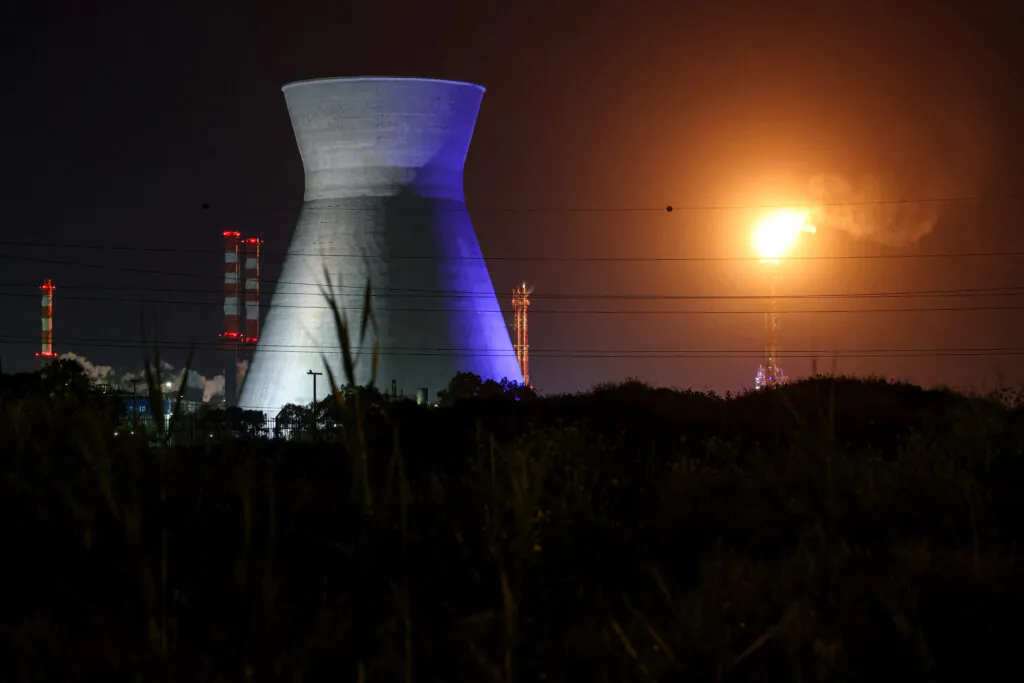
This week, the U.S. and Iran agreed to a two-week ceasefire following President Donald Trump’s threats of targeting Iran’s power...

This week, Ukraine continued to gain territory in Kursk as Indian Prime Minister Narendra Modi ramped up mediation efforts between Russia and Ukraine. In the Middle East, U.S. Secretary of State Antony Blinken’s diplomatic tour failed to produce a cease-fire in Gaza as the Lebanon theater heated up. In the Indo-Pacific, China bolstered its ties […]
The Geopolitical Hotspots Monitor examines the outlook for key geopolitical hotspots around the world.
The Russia-Ukraine conflict trended toward a military escalation scenario as Ukraine continued its incursion into Russia’s Kursk region and conducted one of its largest drone attacks in Russia. Russia continued its push in Donetsk. Indian Prime Minister Narendra Modi visited the region to promote cease-fire talks.
Tensions in the Middle East trended toward military escalation and diplomatic de-escalation scenarios as Israel and Hezbollah exchanged rocket and drone attacks along the Israeli-Lebanese border, while a Fatah commander was killed in Lebanon for the first time. U.S. Secretary of State Antony Blinken’s tour in the Middle East did not lead to a cease-fire agreement, though Iran indicated that its retaliation against Israel could be “calibrated” to avoid disrupting a potential pause in hostilities.
Tensions in the Indo-Pacific continued to trend toward a military escalation scenario as China held joint military exercises with Thailand, signed agreements with Vietnam on increasing defense cooperation, and conducted maritime patrols near Japan and Taiwan.
The Global Connectivity Tracker examines the impact of geopolitical dynamics on key themes like the global energy/climate transition, trade, technology, and technology.

Enhancement Level: Medium
Disruption level: n/a
Progress in wind energy production driven by technological advances will be sustainable, but the industry could see a slowdown in the United States if political change affects incentive programs and mandates for renewables.
Wind power in the United States surpassed the production of coal-fired generation in both March and April of this year, a milestone for the expansion of renewable power in the U.S. energy mix.
Several factors are behind the shift, including government incentives to build out renewable power, technological developments that make renewables cheaper, and state and federal mandates to phase out coal-burning power plants. Since 2000, the capacity of coal-fired generation has been cut in half while wind energy has increased 60-fold. Additionally, many coal plant operators take generation units offline in April, typically a time of lower electricity demand.
Enhancement Level: n/a
Disruption level: Low
This hydropower generation decline is temporary unless the severe weather conditions persist
Brazil temporarily shut down two of its major hydroelectric power units amid severe drought and low water levels in the Madeira River.
With the shutdown, Brazil must increase its reliance on thermal power plants, which are more expensive to operate, and import electricity from neighboring countries such as Argentina and Uruguay to offset the domestic production decrease. Droughts in 2023 caused a dramatic decline in hydropower generation globally, including in China, the U.S., and Brazil, which have increased risks to energy security and could cause certain countries to expand their output of fossil fuels and increase global emissions to make up for the shortfall.
Enhancement Level: Low/medium
Disruption level: n/a
The 2023 emissions reduction shows progress, but long-term net zero ambitions will require more efforts.
The 40 largest companies in Germany listed on the blue-chip DAX index lowered their greenhouse gas emissions by 14% in 2023.
The companies collectively lowered their carbon footprint from 218 million tons of CO2 equivalents to 189 million tons, according to their sustainability reports. The German economy is making substantial progress in reducing CO2 emissions, with companies switching to renewable energy sources and reducing energy consumption through conservation and efficiency measures.
Enhancement Level: n/a
Disruption level: Medium
Lebanon has been experiencing power shortages since the 1990s, largely due to continuous government financial distress. Lebanese public utility Electricité du Liban said its fuel supplies were exhausted leading to nationwide power outages. Essential facilities were affected nationwide.
Algeria announced it will begin supplying 30,000 tons of fuel oil to Lebanon for its power plants amid power outages there.
China’s Ministry of Commerce opened an investigation into subsidy mechanisms by the EU for its dairy products exported to China. The 12-month investigation will focus on 20 subsidy programs in eight member states, namely Austria, Belgium, Croatia, the Czech Republic, Finland, Ireland, Italy and Romania, as well as mechanisms under the EU’s Common Agricultural Policy. The announcement comes after the European Commission’s decision to impose 36% tariffs on imports of Chinese electric vehicles (EVs) following a nine-month investigation that found China to be unfairly dumping cheap EVs into the EU market, threatening domestic production. The EU has expressed fears that a trade war with China is unavoidable.
Enhancement Level: n/a
Disruption level: Medium
Considering the massive negative trade balance in antimony imports, these trade restrictions could deal a significant blow to the U.S. and its allies, which will need to find ways to make up for the loss in imports either by way of domestic/allied production, or will have to compromise with China on trade restrictions, which is unlikely given the international climate.
In September, China will restrict its exports of critical minerals, including antimony ores and oxides, as well as critical mineral processing equipment.
While Beijing states these restrictions are not aimed at a particular country, it follows recent restrictions and sanctions imposed by the U.S. against Chinese entities producing and distributing dual-use technologies. China’s antimony mining production has also fallen considerably over the past several years, suggesting that in addition to being a responsive policy to U.S. sanctions, it may use the resources for its own weapons and semiconductor industries. The U.S. likely will respond by increasing imports from countries such as India and Oman and increasing its domestic mining and refining capabilities.
This week, the U.S. and Iran agreed to a two-week ceasefire following President Donald Trump’s threats of targeting Iran’s power...
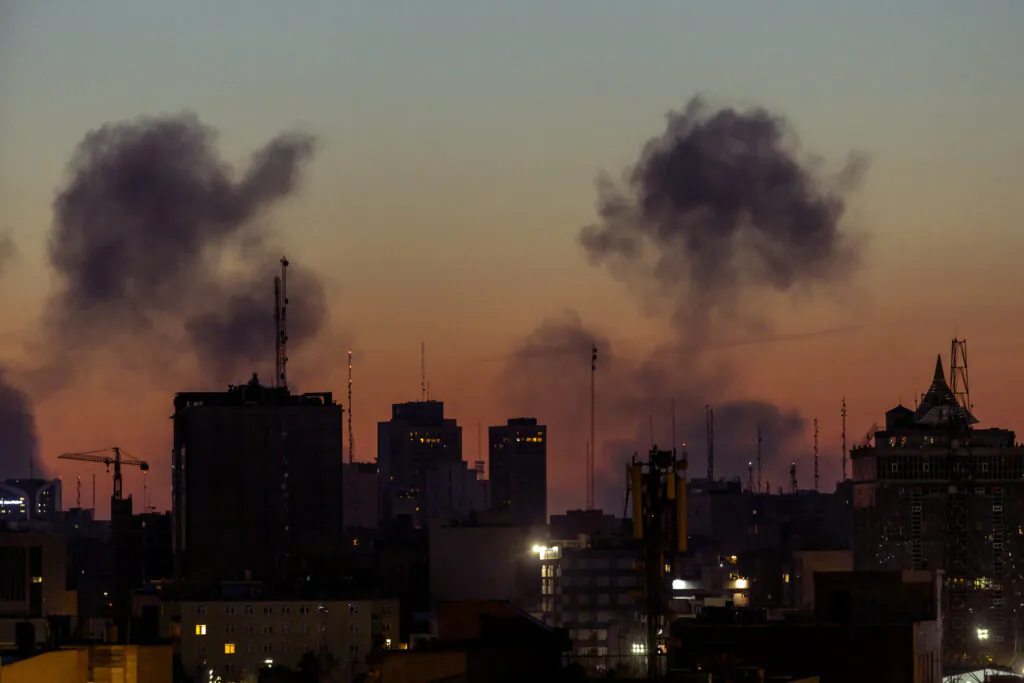
This week, the conflict in Iran intensified as the U.S. bombed military facilities on Iran’s Kharg Island and Israel bombed key Iranian energy facilities, with Iran responding...
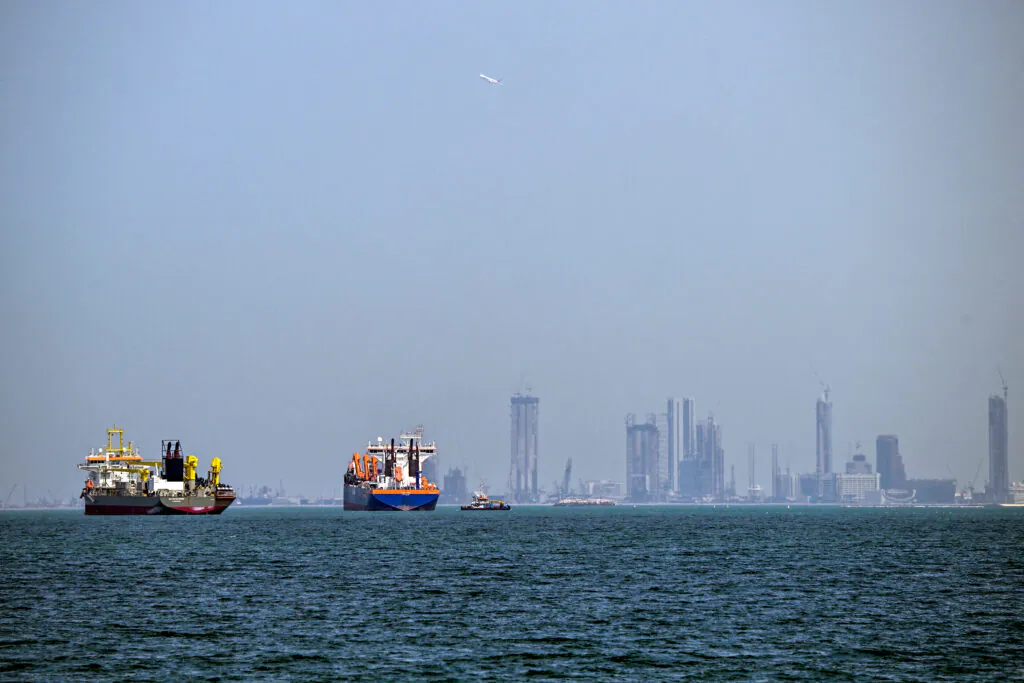
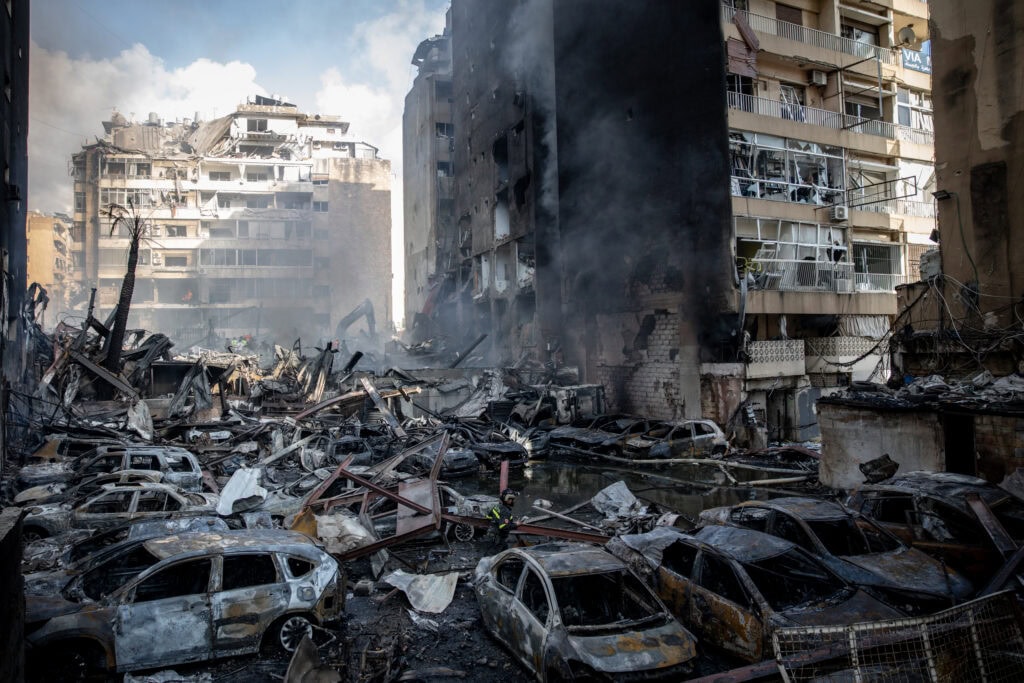
This week, the U.S. and Israel continued their military campaigns against Iran and Lebanon, while Tehran vowed to block oil exports from the region, leading to worldwide repercussions in...
This week, the United States and Israel launched air- and naval-based attacks against Iran, killing Supreme Leader Ayatollah Ali Khamenei. Iran retaliated with strikes against neighboring Gulf states and by closing the Strait of Hormuz. ...