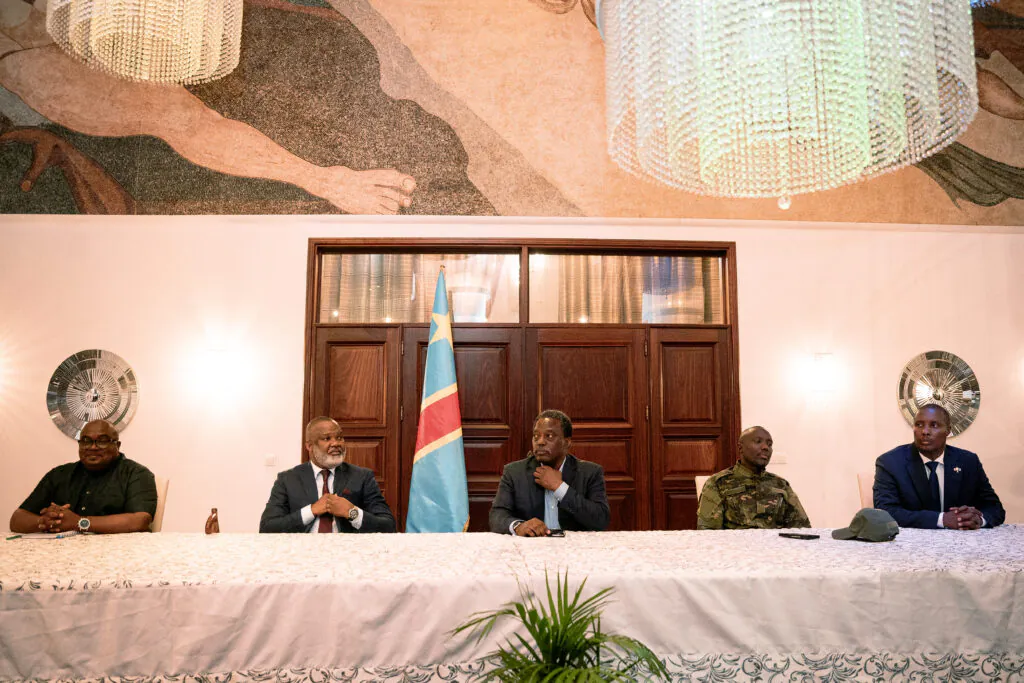
Global Hotspots: DRC Former President Joseph Kabila Vows to Overturn Government
On today’s episode, Milos Maggiore, Sebastian Dittgen, Andrew Loftesnes and Jared Jeter discuss the new ideological front opening in the...


The third quarter of 2026 will be marked by transition and recalibration as the global political economy seeks stability after a geopolitically volatile first half of the year. The Iran war and its disruption to global energy supplies is likely to enter a limited de-escalatory phase in the third quarter, though it will continue affecting regional security and international trade.
In the Middle East, Q3 will likely see escalatory action between the U.S. and Iran and from Iran against the Gulf States, as a diplomatic resolution remains out of reach. The Trump administration is likely to prioritize economic stability rather than Israel’s long-term interests, delaying the potential for a deal to be struck. In the meantime, Israel will likely continue its air and ground campaign in Lebanon and expand its territorial occupation in Gaza and the West Bank.
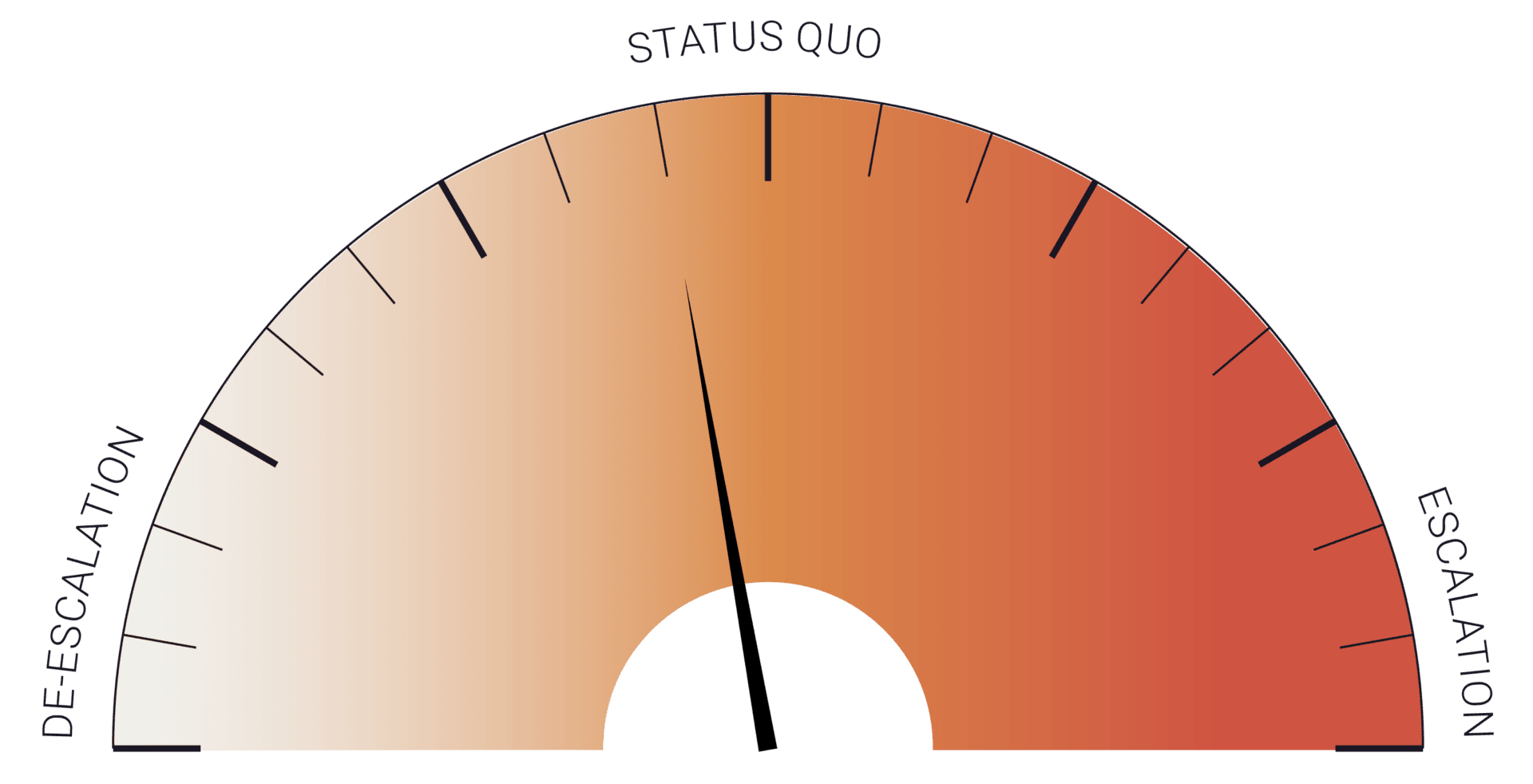
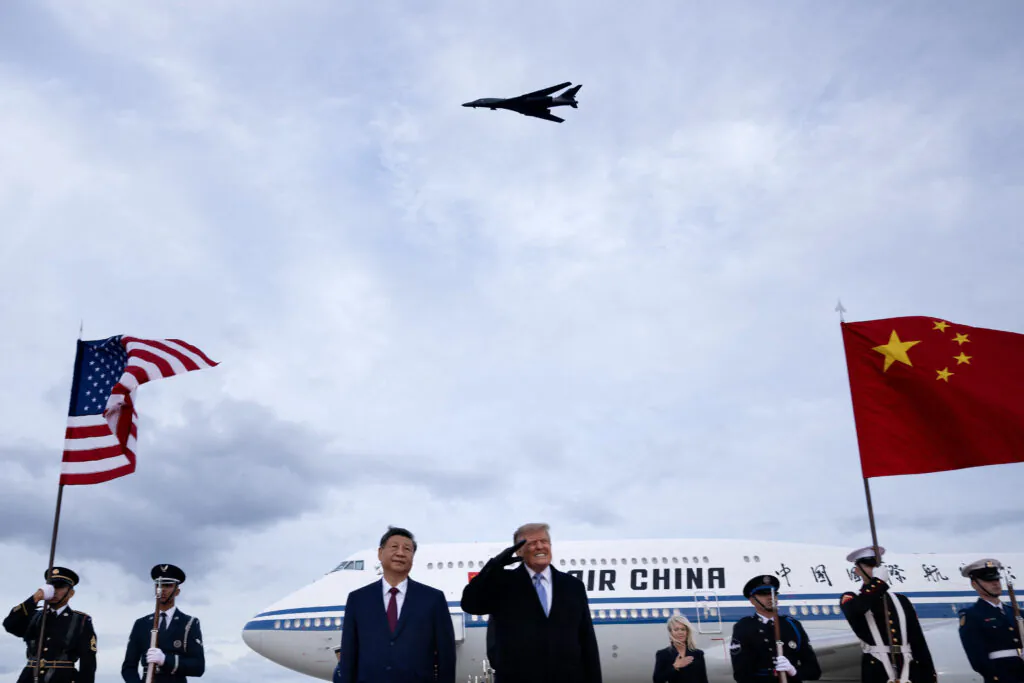
Throughout Q2, the Indo-Pacific maintained the status quo, which will likely continue into the third quarter. Though the U.S. and China will continue diplomatic engagement leading up to the Washington, D.C., summit between U.S. President Donald Trump and Chinese President Xi Jinping scheduled for September, the tightened export controls and U.S.-imposed Section 301 tariffs are likely to cause moderate hybrid escalation between Japan and China in the coming months, while trade tensions between China and Japan remain.
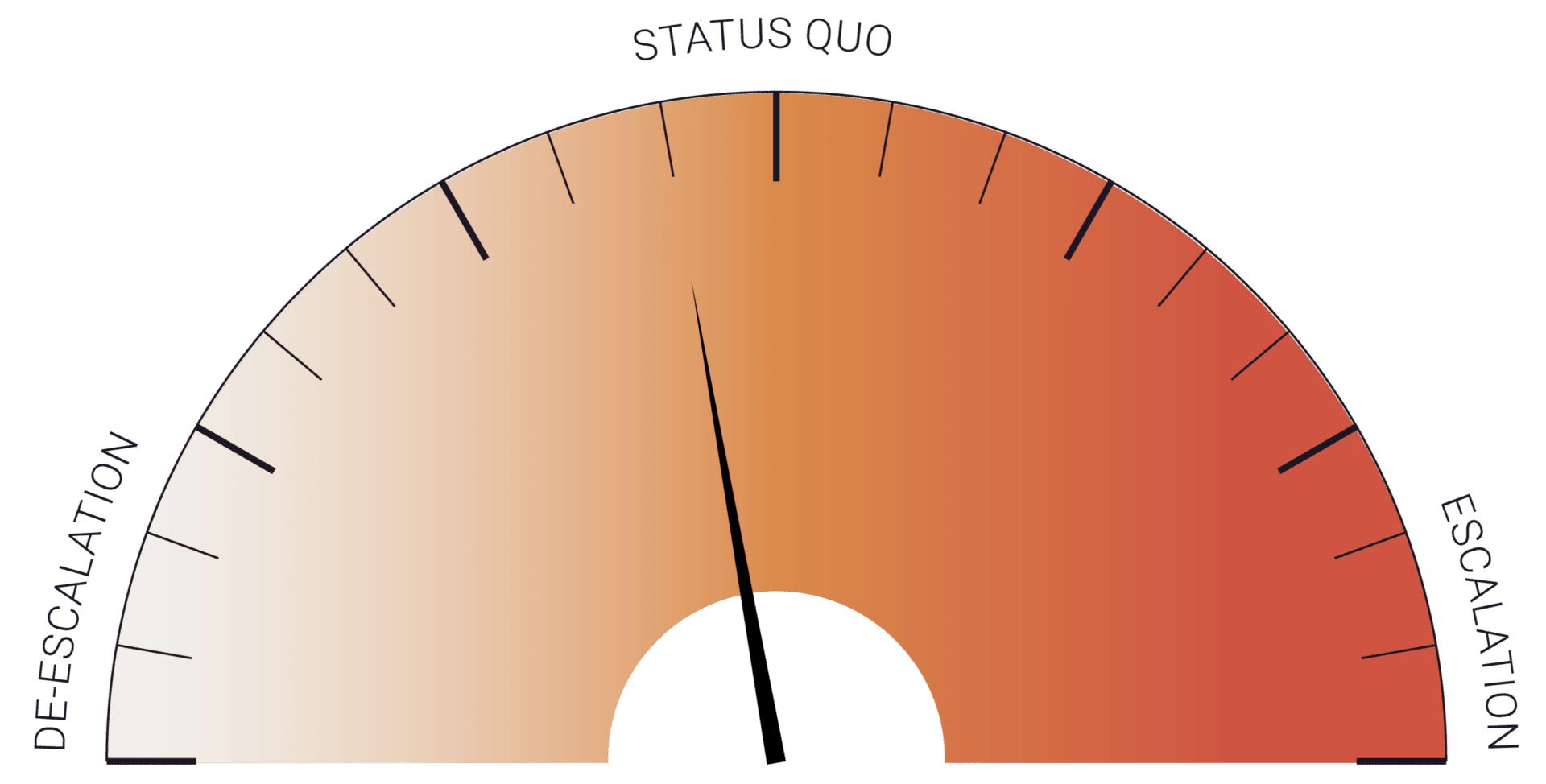
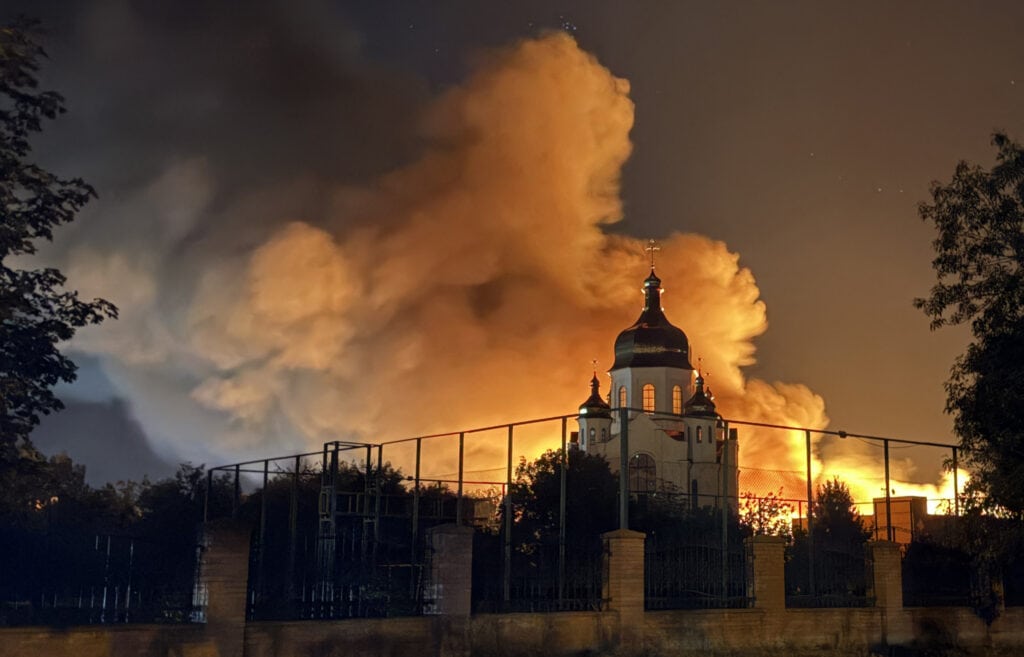
Russia/NATO and intra-NATO tensions will continue to mount, with disruptive implications for the Russia/Ukraine conflict. This quarter will likely see the most significant period of military escalation in the war since Ukraine’s failed 2023 counteroffensive. Ukraine is likely to escalate its drone and long-distance strike campaigns against Russia, while Russia will ramp up bombardment against Ukrainian cities.

In the Americas, relations between the U.S. and Venezuela will continue to stabilize, while U.S./Cuba relations will moderately escalate. The Trump administration shows little sign of normalizing relations with Cuba or Greenland, and its antagonistic rhetoric and sanctions against Cuba will likely intensify. However, the ongoing Iran war limits the possibility of major U.S. military intervention.
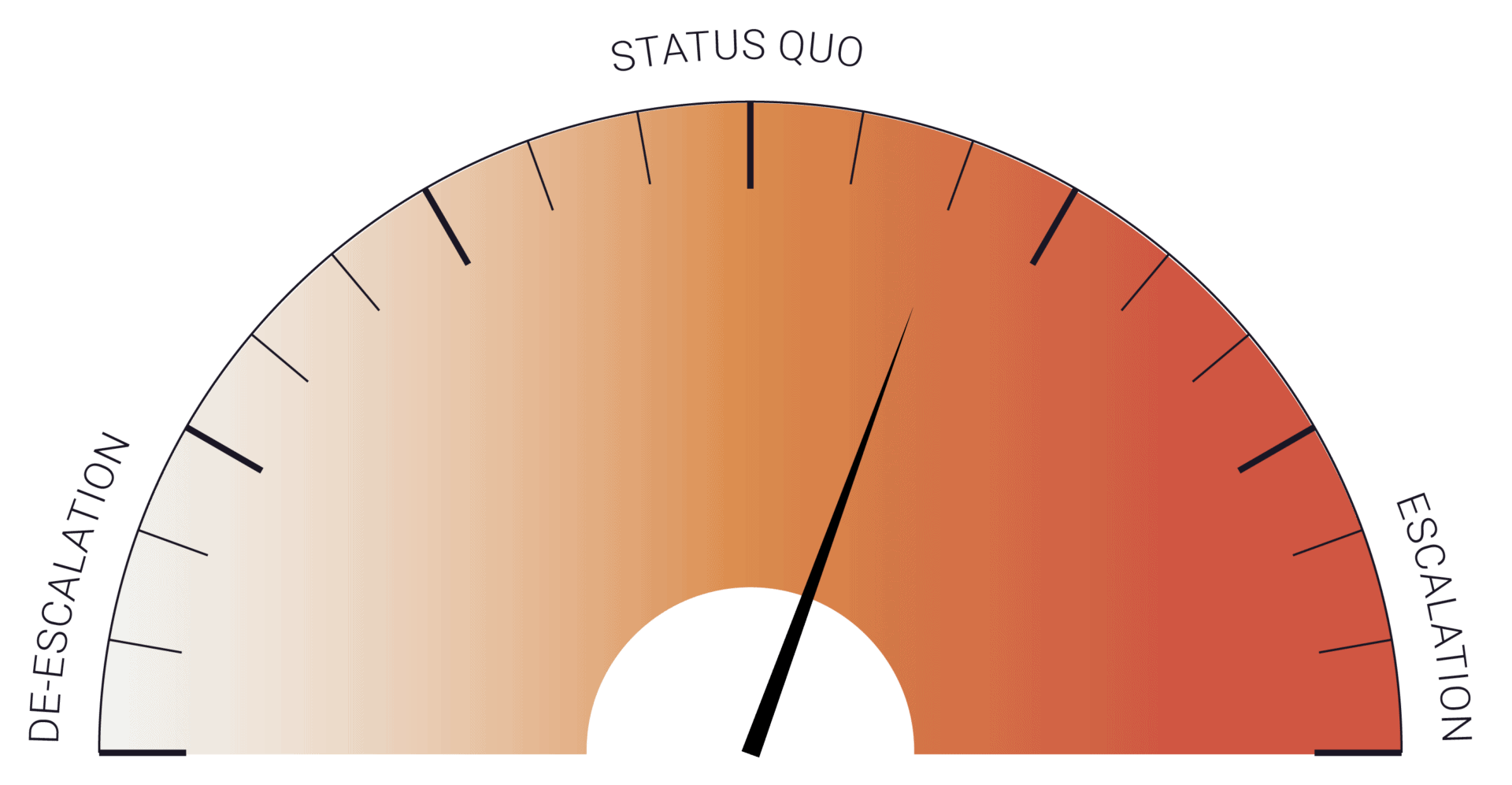
In other parts of the world, hotspots across Africa, the Middle East, Latin America, and the U.S. will see tensions flare up. Bolivia will be a regional flashpoint in Q3 as destabilization continues after President Rodrigo Paz’s government failed to convert its national victory into control over regional and local governments in Q2. Ethiopia faces rising regional security risks as tensions with Eritrea and Sudan grow, increasing the likelihood of cross-border conflict spillover and that the Sudan-Ethiopia border will become a more active proxy corridor. The Sahel will likely trend toward moderate destabilization in Q3 despite growing efforts by the U.S. to re-engage the Alliance of Sahel States. Domestically, the U.S. will see limited political destabilization in the run-up to the midterm elections in November.
Globally, we will see a trade enhancement through Q3, though a return to pre-Iran war levels of shipping through the Strait of Hormuz is unlikely. Trade tensions between the U.S. and China will continue to de-escalate ahead of their September summit, though sectors such as semiconductors and other tech and AI-related industries may see further restrictions in Q3.
The technology sector will see disruptions through regulation and great-power competition. Artificial intelligence will remain a high priority as the U.S. continues to advance its AI Export Program, while China also continues its “AI Plus” initiative. China is likely to increase its funding commitments to quantum computing initiatives. The extension of the U.S./China trade truce means China will continue its exports of rare earths to the U.S. in Q3 despite the U.S. seeking to diversify its critical mineral supply chains.
Oil and natural gas markets are expected to remain highly volatile in Q3 due to continued restrictions through the Strait of Hormuz and damage to energy infrastructure across the Middle East. The energy transition to renewables will accelerate, particularly in Europe and Asia, despite some climate-related pressures that may test grid stability and slow deployment in some regions.
Photo: Fishing boats sit idle along the Strait of Hormuz on May 17, 2026. (Photo by Majid Saeedi/Getty Images)
Register now for a 28-day free trial of the Geopolitical Forecasting Platform. During your trial, you will have full access to the platform and its capabilities, allowing you to track how diplomatic shifts impact global supply chains and anticipate potential future shocks to international trade systems.
On today’s episode, Milos Maggiore, Sebastian Dittgen, Andrew Loftesnes and Jared Jeter discuss the new ideological front opening in the...
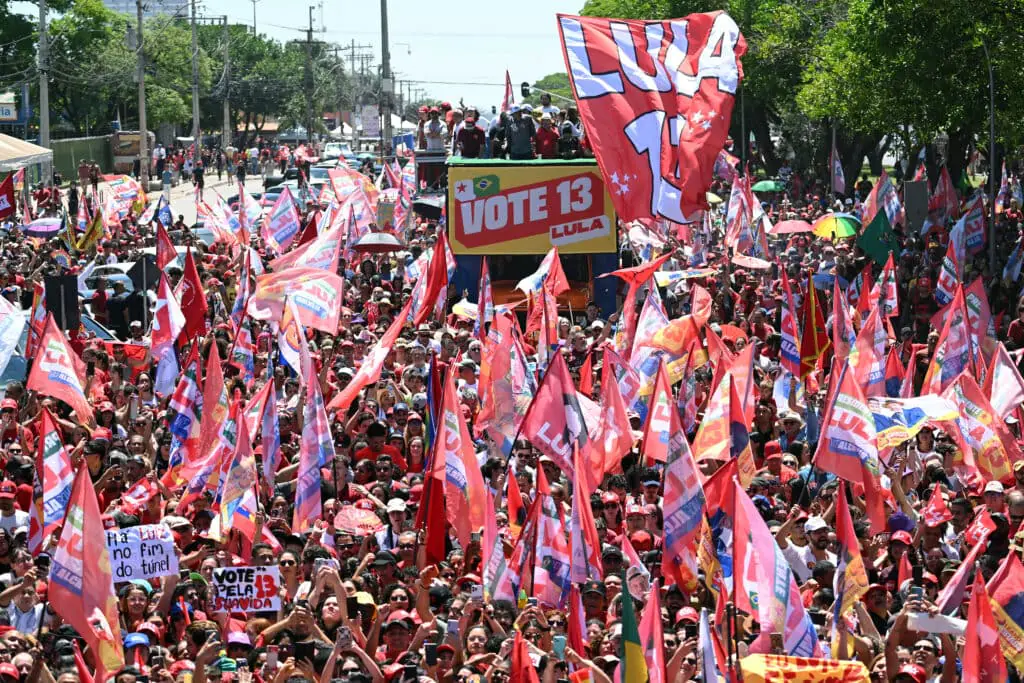
On today’s episode, Milos Maggiore, Jared Jeter, and Andrew Loftesnes unpack the results from Brazil’s first round of elections. Elsewhere,...
In this special edition of Global Hotspots, Milos Maggiore, Jared Jeter, Andrew Loftesnes, and Sebastian Dittgen break down some of the...
The fourth quarter of 2026 will be marked by rising geopolitical tensions in several global hotspots. Conflicts in the Middle East and Russia/Ukraine...