Global Hotspots: Examining the consequences of Brazil’s first round of elections
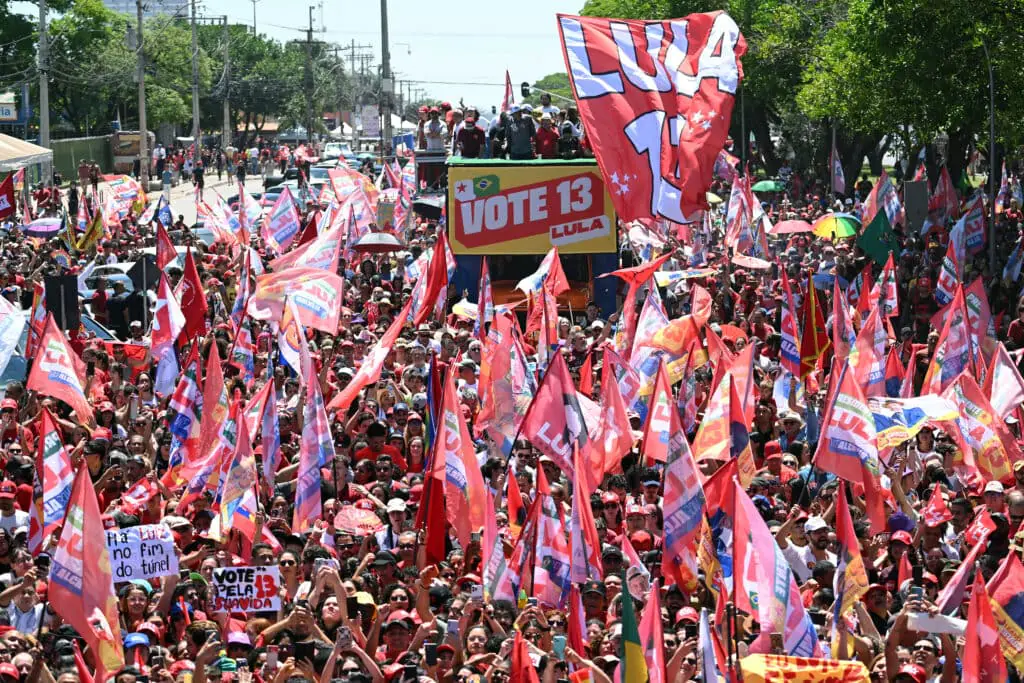
On today’s episode, Milos Maggiore, Jared Jeter, and Andrew Loftesnes unpack the results from Brazil’s first round of elections. Elsewhere,...

The second quarter of 2026 will see a major rebalancing of global systems across security, economic, and diplomatic spheres, driven by the U.S.-Israel conflict with Iran. The conflict will have ripple effects across several theaters as supply disruptions at the Strait of Hormuz and regional instability impact global trade flows, energy markets, and ultimately the next phases of the Russia/Ukraine conflict and U.S./China negotiations.
Since the U.S. military intervention in Venezuela and the tightening of import restrictions on Cuba early in Q1, Washington has significant room to de-escalate tensions in both countries by leveraging diplomatic channels in pursuit of agreements related to energy supplies and broader economic cooperation. However, hybrid escalation, including trade restrictions, supply chain manipulation, and counternarcotics operations, is likely to counterbalance the extent of such de-escalation efforts. Additionally, U.S. involvement in the Middle East will limit its capacity to launch any major new operations in the Americas, but limited intervention in Cuba cannot be ruled out.
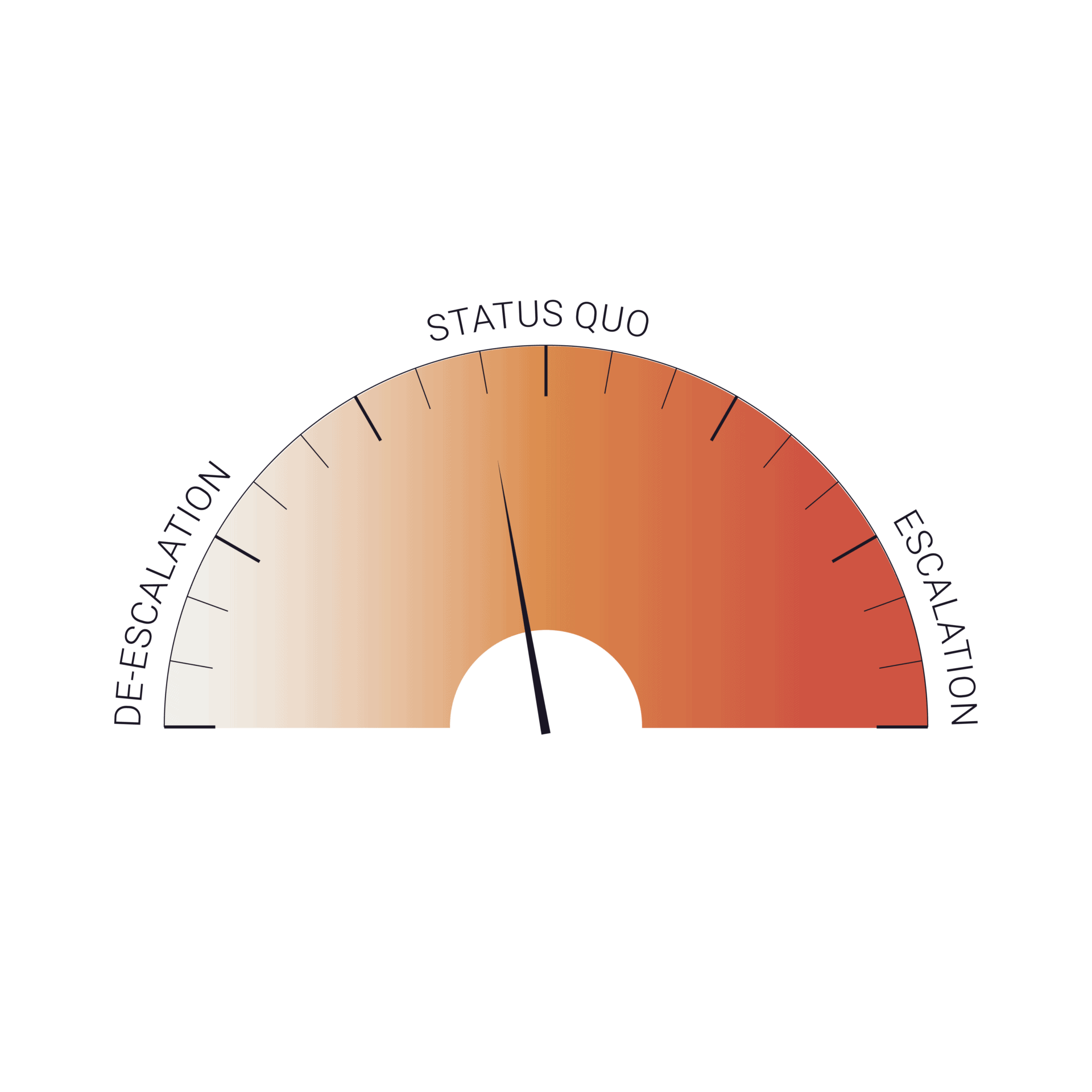
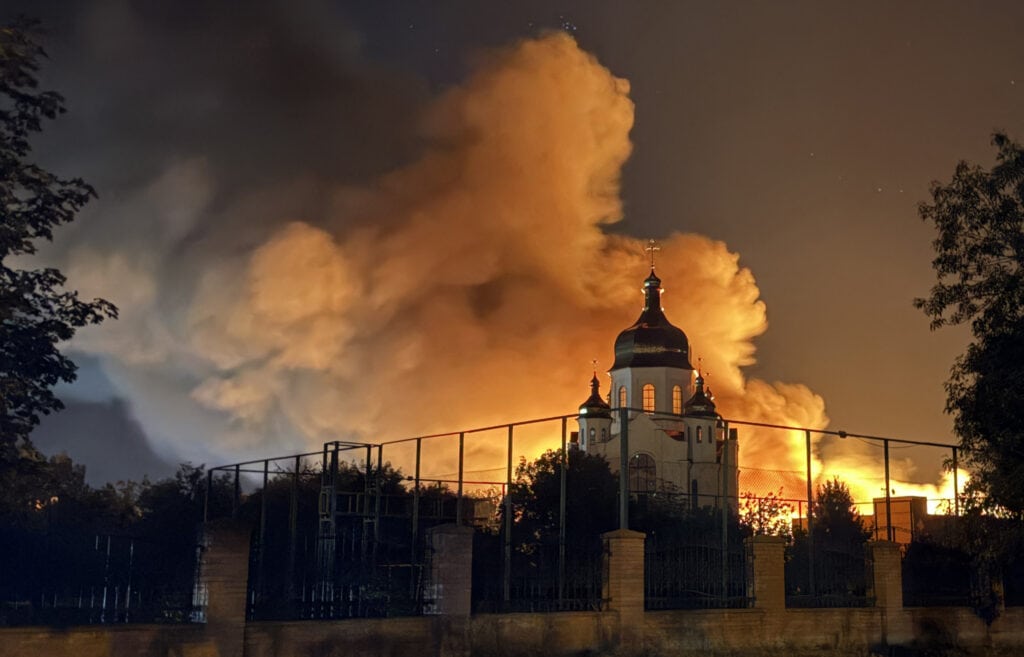
The Russia-Ukraine war will likely maintain the status quo into Q2, similar to what we saw in Q1. Although diplomatic engagement between Ukraine and Russia occurred, the peace talks failed to yield any significant breakthroughs. Looking ahead, we can expect to see similar patterns as the war in Iran is likely to divert U.S.-led diplomatic efforts away from Russia and Ukraine.
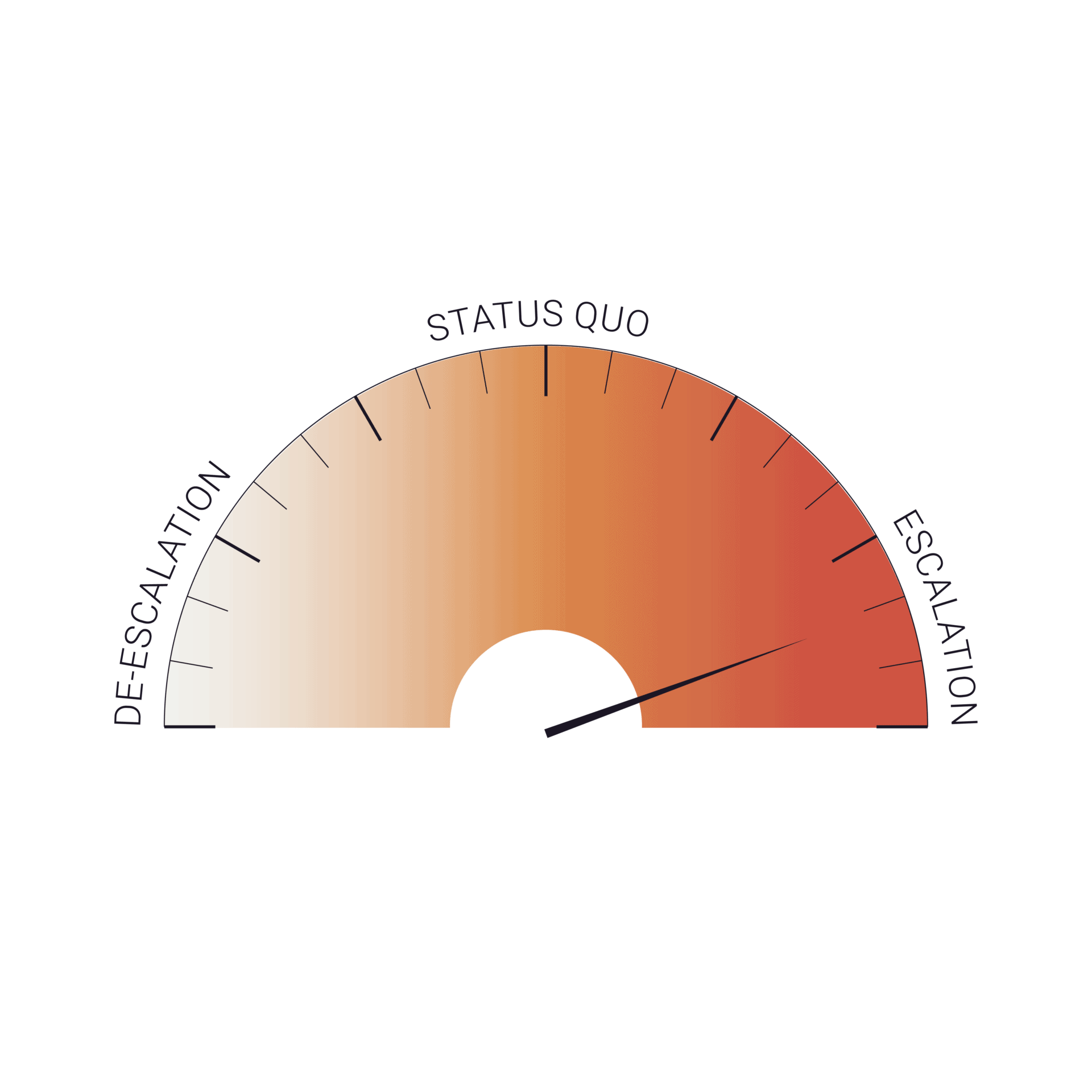
In the Middle East, significant military escalation is expected as the U.S. and Israel are likely to sustain their air campaign in Iran. The U.S. may pursue ground operations in Iran while Israel will likely expand its territorial occupations in the West Bank, Gaza, Syria, and Lebanon through Q2.
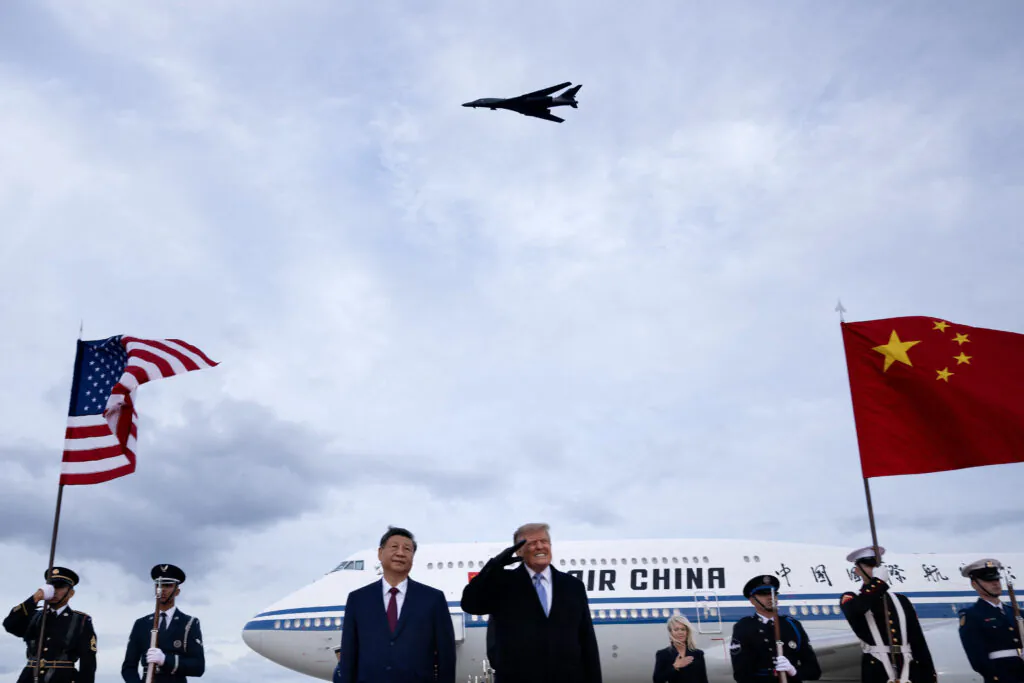
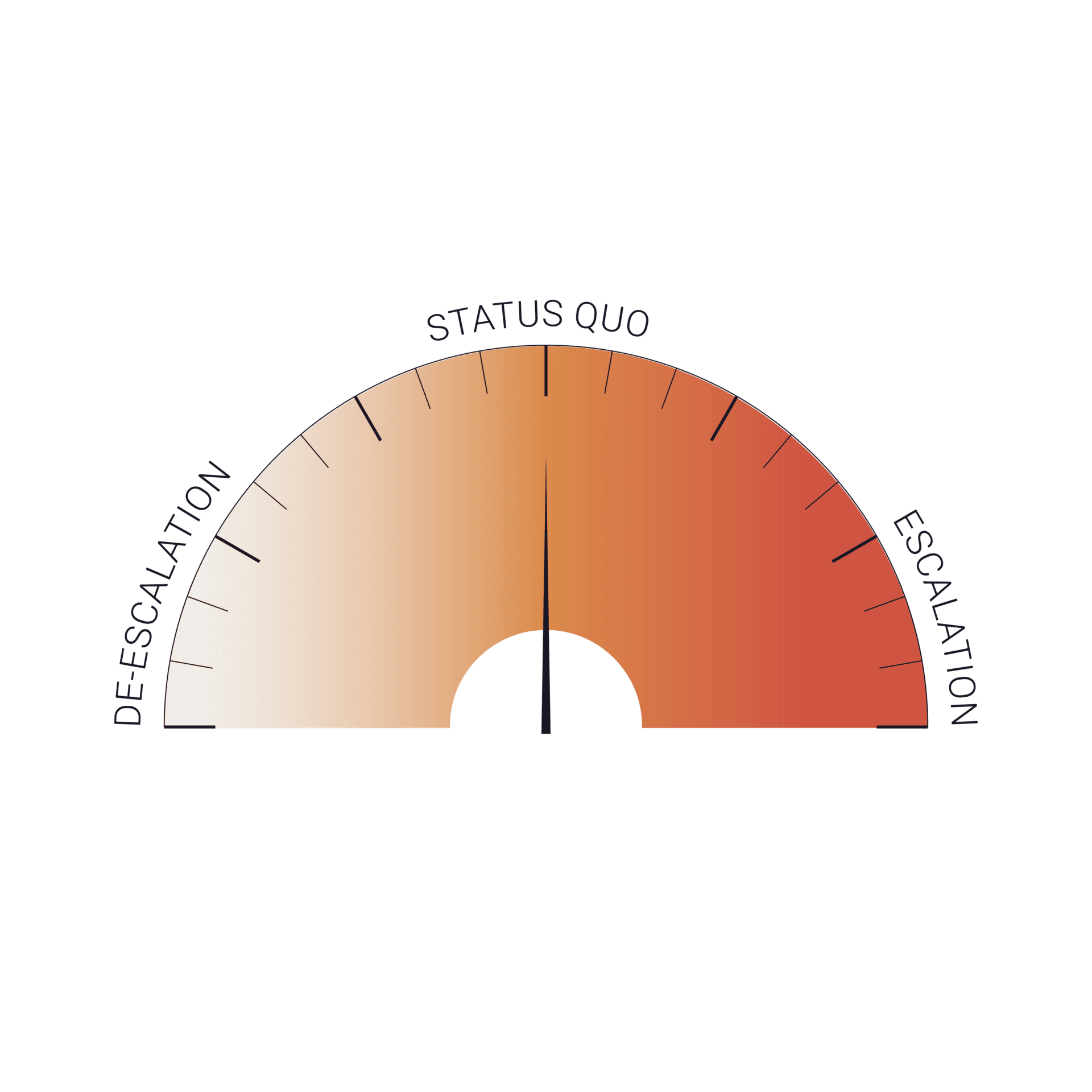
The Indo-Pacific likely will largely maintain the status quo in Q2, as it did in Q1. The summit between U.S. President Donald Trump and Chinese President Xi Jinping, currently scheduled for May, points to diplomatic de-escalation as increased Chinese commitments to purchase U.S. goods is expected, though threats from Trump to pursue tariffs continue. China will also likely escalate trade tensions with its neighbors.
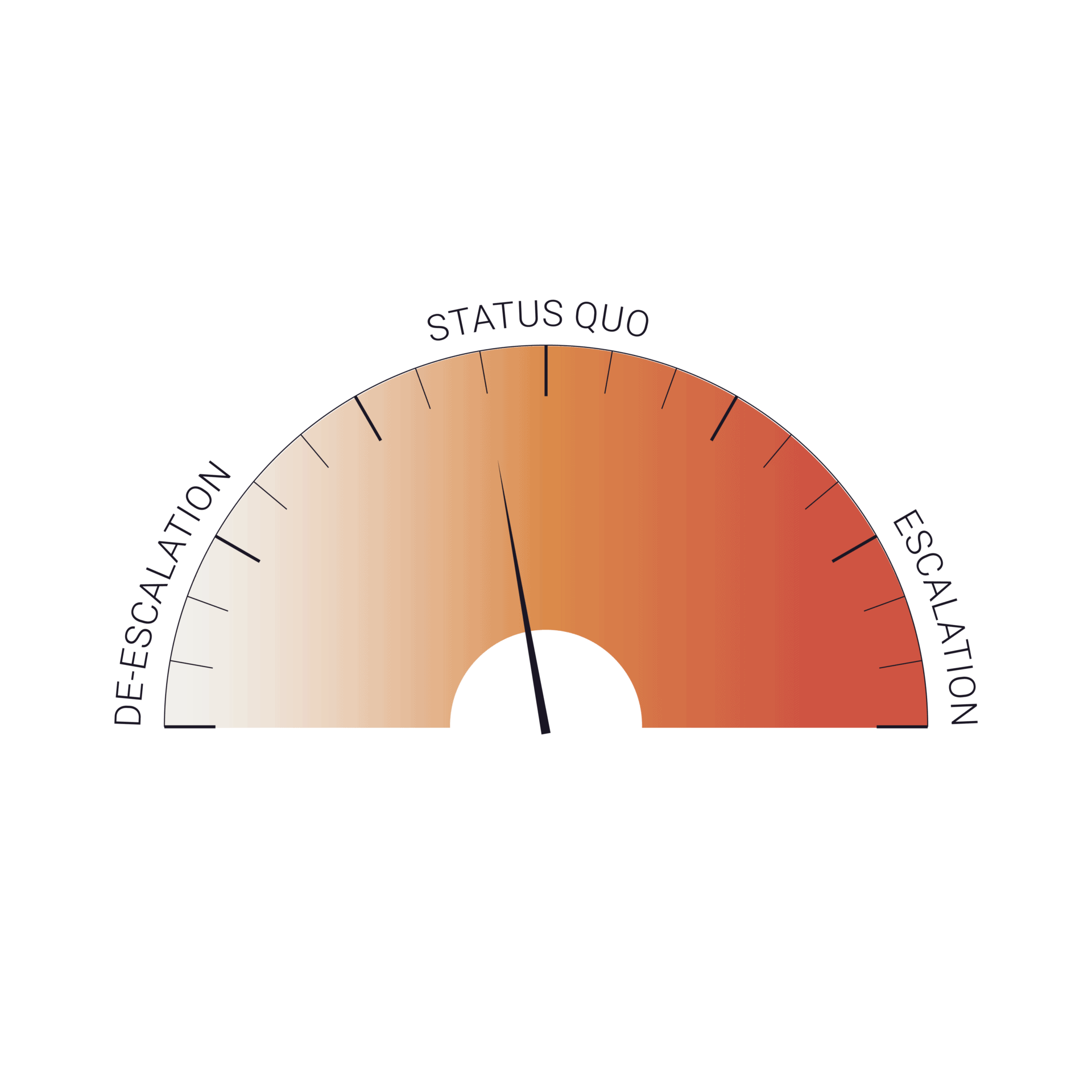
Many other country-level hotspots reflect rising instability driven by conflict and economic strain, with heightened destabilization in Iran and significant volatility across several African theaters. The Afghanistan-Pakistan conflict is likely to trend toward low military escalation in Q2 following Pakistan’s declaration of “open war” against Afghanistan. Venezuela may be a relative exception, where limited stabilization is expected under U.S.-backed leadership. Domestically, the U.S. is likely to trend toward destabilization in Q2, driven by economic fallout from the war in Iran and societal tensions stemming from immigration enforcement and growing domestic security threats. Political polarization ahead of midterm elections is likely to increase as the Trump administration signals another military intervention in Cuba.
Global Trade in Q2 will likely see the U.S. ramp up tariffs while selectively easing some trade restrictions in an effort to reduce impacts from the Iran war, even pursuing selective agreements with China in certain sectors such as agriculture and aviation. At the same time, disruptions to energy supply at the Strait of Hormuz will push countries to diversify shipping routes.
The tech sector is likely to see a slight enhancement in Q2 as both the U.S. and China will expand AI initiatives through new partnerships, regulations, and technological advances, though energy constraints stemming from the war in Iran pose risks to development. At the same time, both countries are expected to prioritize quantum technology.
Global energy markets will continue to see disruptions as geopolitical tensions in the Middle East drive volatility in oil and gas prices, with key shipping routes disrupted. Energy security is set to dominate Q2 as supply risks persist.. Progress toward a global energy transition will stall even as long-term investment in clean and emerging technologies continues.
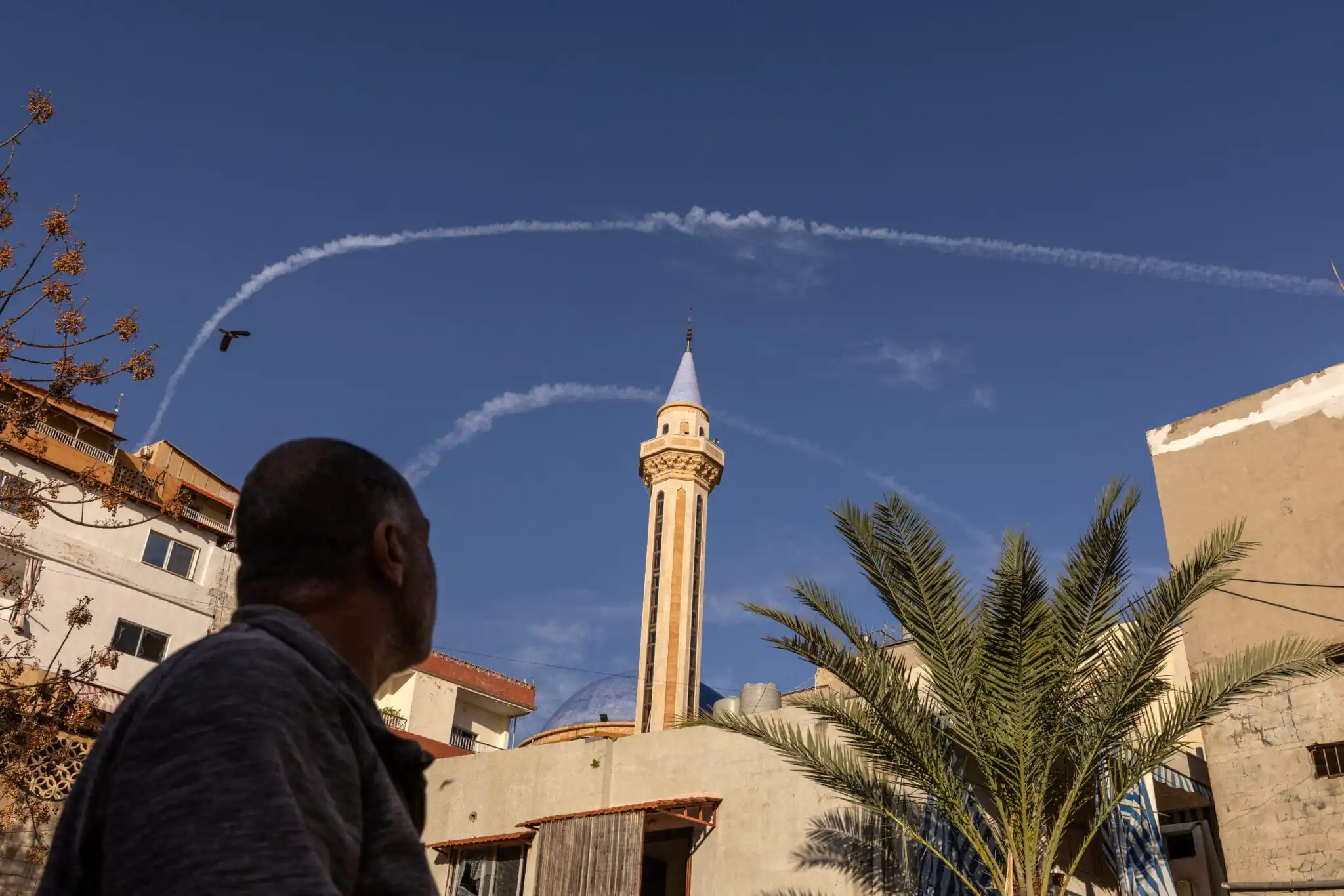
Photo: A Lebanese man watches contrails from IDF fighter jets in the sky over Tyre, Lebanon, on March 24, 2026. (Fabio Bucciarelli/Middle East Images/AFP via Getty Images)
To gain access to the full report for a limited time, register your interest in our work here.
On today’s episode, Milos Maggiore, Jared Jeter, and Andrew Loftesnes unpack the results from Brazil’s first round of elections. Elsewhere,...
In this special edition of Global Hotspots, Milos Maggiore, Jared Jeter, Andrew Loftesnes, and Sebastian Dittgen break down some of the...
The fourth quarter of 2026 will be marked by rising geopolitical tensions in several global hotspots. Conflicts in the Middle East and Russia/Ukraine...
In this week’s episode, Milos Maggiore, Jared Jeter, and Andrew Loftesnes are joined by in-house guest Sebastian Dittgen to examine...